Rodent Problems Directory
Common Rodent Problems in the United States
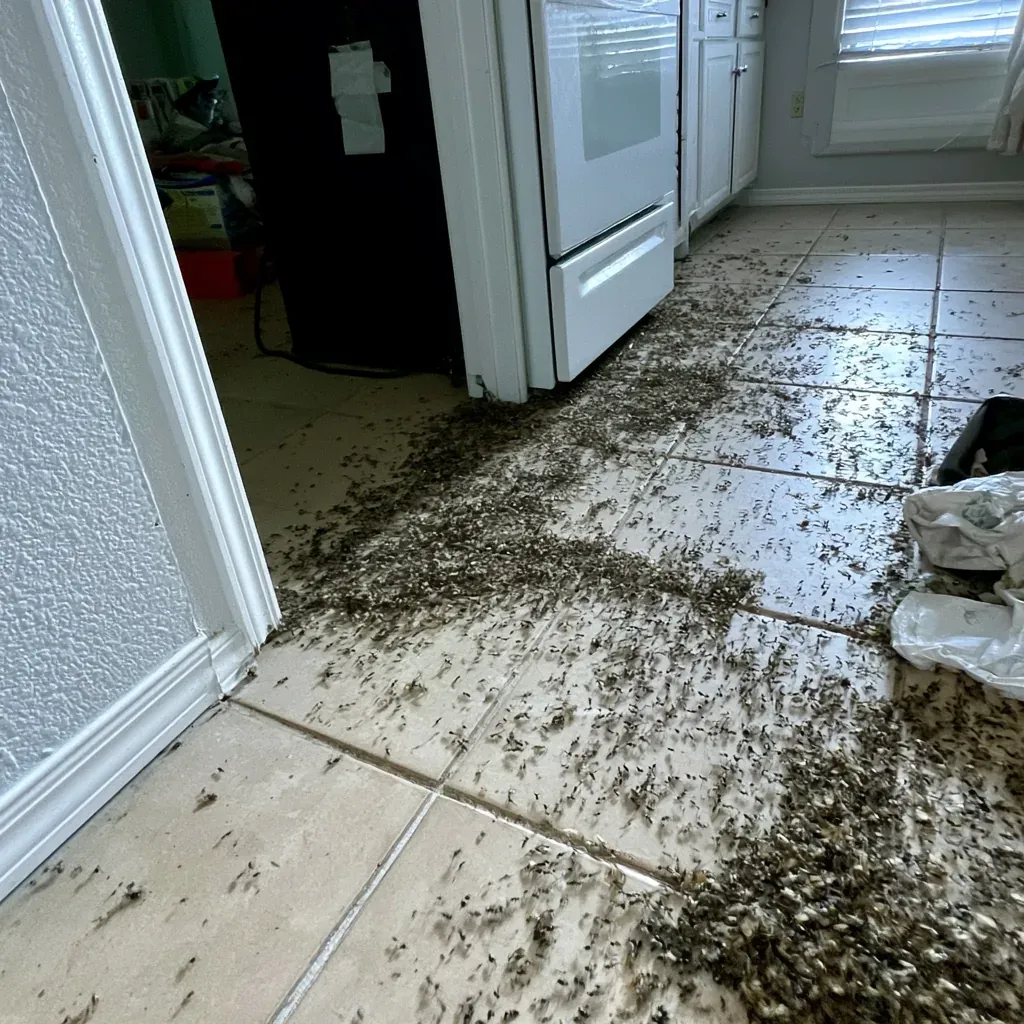
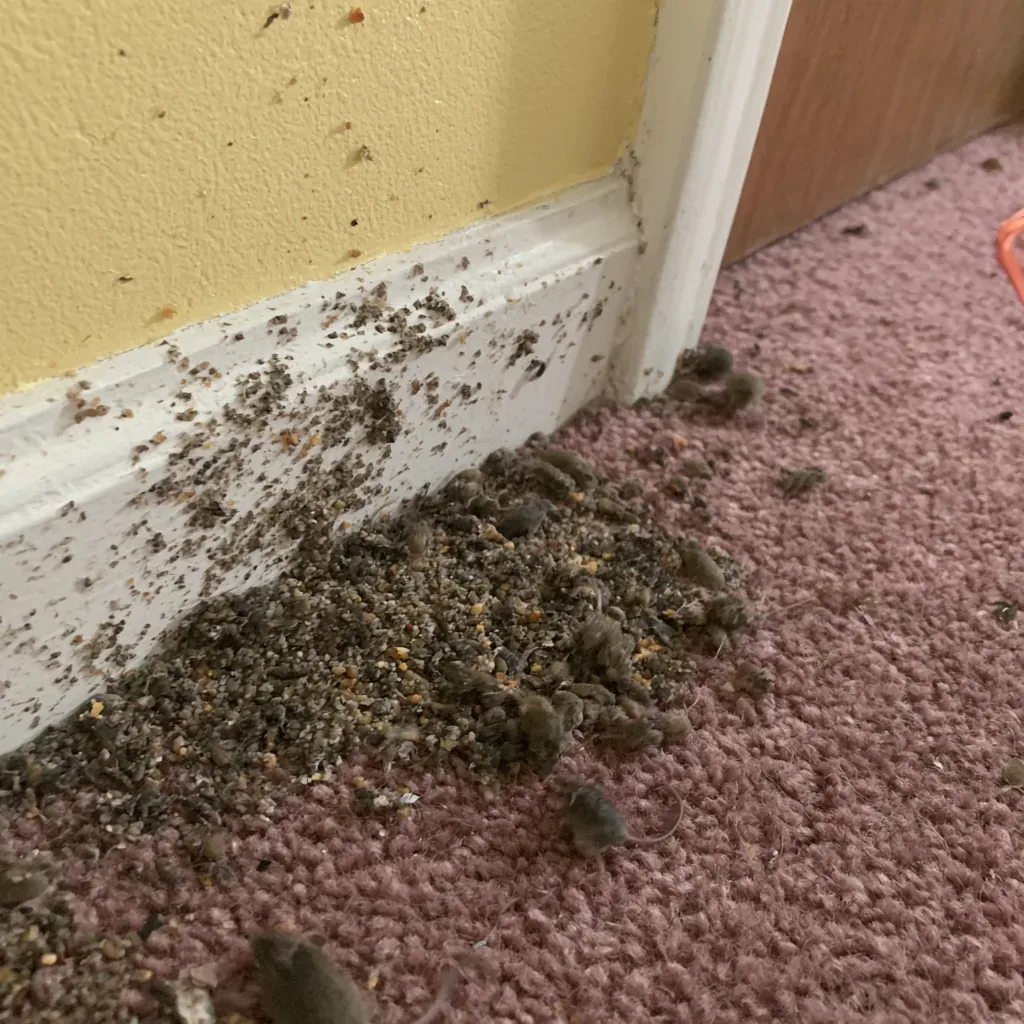
Rats and mice may leave droppings, chew marks, or nesting material in kitchens, basements, and storage areas. A scratching sound or damaged food packaging can also point to activity. The pros we connect you with can inspect for signs, identify likely access points, and discuss control options suited to the situation. They may recommend sealing gaps, improving food storage, or setting traps to address current activity and make it harder for rodents to get inside again.
CLEANUP CARE
Explore the rodent concerns represented in the United States. The guides help you read signs of rats or mice, consider how they may enter, and review control approaches. Cost planning begins on the pricing guide.
Where clues recur can help narrow the search: a sound above a ceiling, fresh chewing near stored goods, or signs along a wall may point toward a travel route. Small openings around a utility line or door can provide access, so an inspection considers both where activity appears and how it could be getting inside. An inspection can also look for food sources or nesting materials that may be sustaining activity. The pros can explain placement precautions and what the service plan calls for.
Rodent Signs
Property Problems
Common Questions
Rodent Control Guide
What might droppings or chewing marks mean in my home?
Droppings, gnawed packaging, shredded material, or faint movement in a wall can each be a clue. One sign alone may not tell you whether rodents are present or where they are moving. A stale, musky odor can linger even when droppings or gnaw marks are out of sight. The location matters too: signs beside stored food raise a different question than sounds from an enclosed wall.
I hear something in a wall but see nothing; where do I start?
When sound is your only clue, start with the page about rodent noises. Note which room it seems to come from and whether the sound returns; a ranch or split-level can make it difficult to place activity by ear alone. Noise does not confirm rodents, so if you later find droppings or damaged packaging, read the page for that sign as well. Those details can help you decide whether a closer assessment makes sense.
When should I contact a provider about signs I cannot identify?
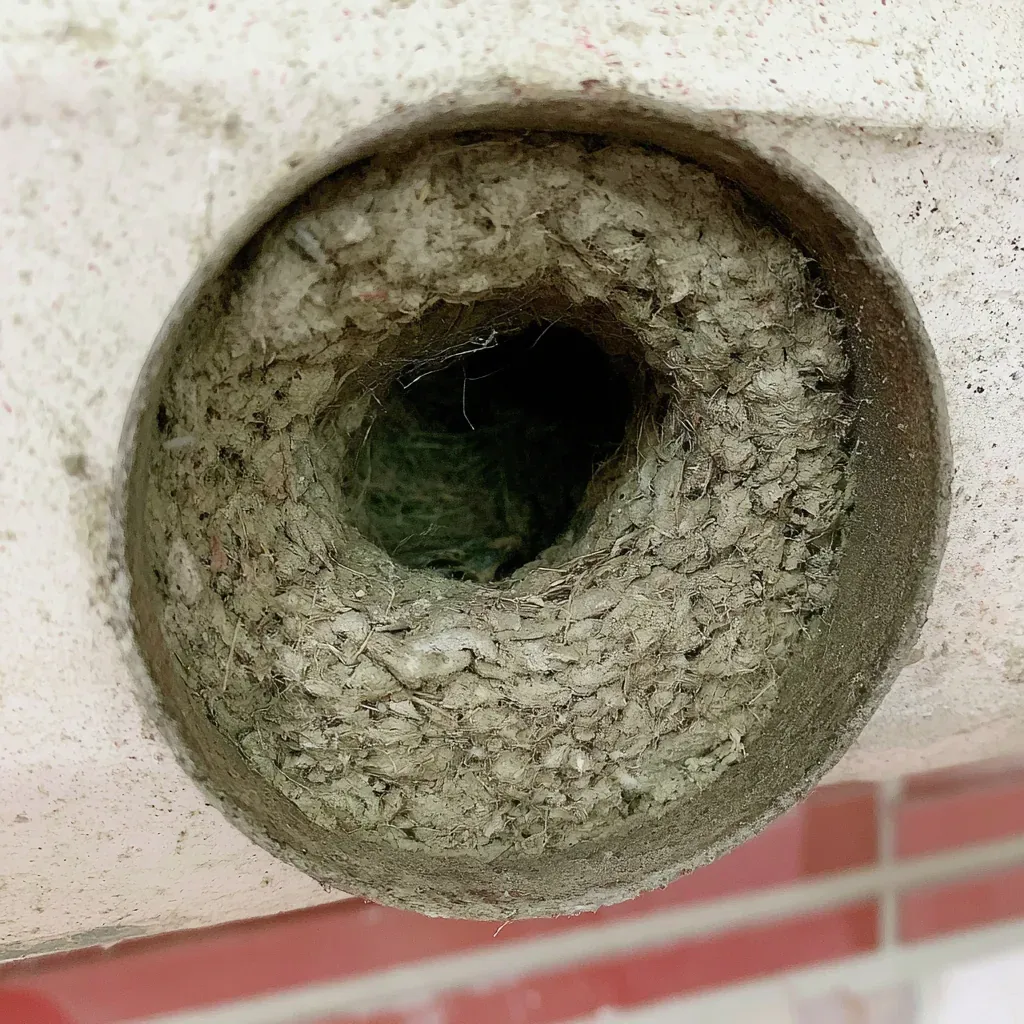
At home, a rodent problem may show up as food being reached, nesting material collected, or movement in a wall or ceiling space. The animal can stay out of sight while you first notice sounds or gnawed items. A mouse seen once may point to activity nearby, even when you have found no other evidence. Collected nesting material is another sign to note alongside sounds and gnawed items.
Rodent Assistance
Identify Clues of Rat or Mouse Activity
The inspection price is $80–$175; where activity appears, property access, and recommended control steps can affect the full cost. If you hear movement in a split-level wall or notice damage in a ranch pantry, record the room and whether signs return. An inspection can check accessible areas for activity and openings that may allow entry. A written plan can note observed activity separately from openings that may allow entry. For requests elsewhere, the national referral route connects you with the pros we connect you with. What does a visit include, when is one available, and what will the written plan say?
Call (866) 583-0187