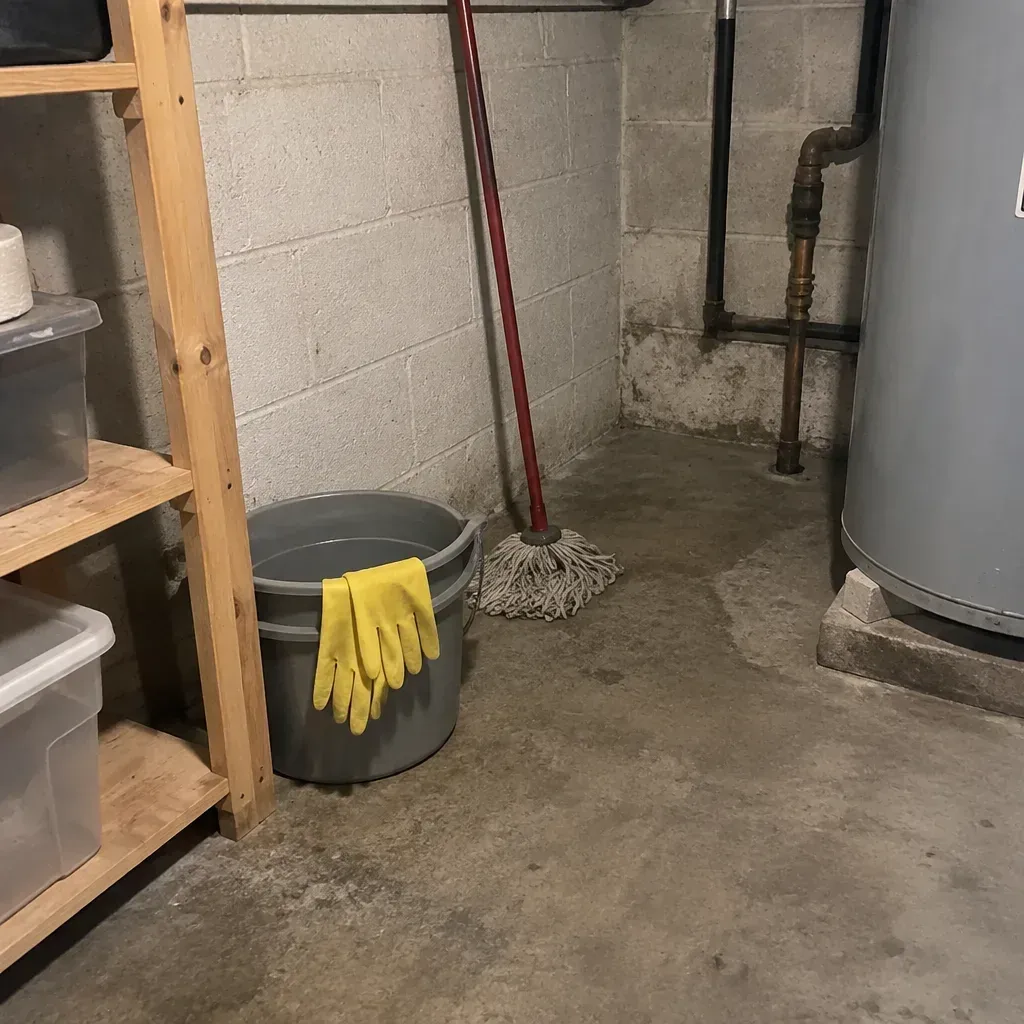
Rodent Inspection
Find where rodents are active and how they get in, then choose the right next step.
View Rodent Inspection help in the United States
Food left open can keep rodents returning to a room, while a scratching sound or gnawed package may prompt questions about activity nearby. A provider can review visible clues and possible routes into the building, then outline which control choices are available for that property. Before service begins, confirm what the visit covers and how charges are set. Ask how the provider will explain next steps if activity continues after the visit.
The inspection starts with the details you can point to: a faint sound above a room, a mark on a food container, or material gathered in a quiet corner. The pros we connect you with can compare those clues with what they find elsewhere in the structure, including possible openings rodents could use to get inside. That broader view matters because one sign may show where activity is noticed, while other evidence can help explain how it reached that area. The findings shape what gets discussed next.
Call (866) 583-0187 or use the online form. List the rooms involved, whether food packages or stored goods were chewed, and if droppings need attention. Ask the pros we connect you with whether they serve your address, when they could come, and whether a visit fee applies.
Ask which areas and access routes the visit will check, what fee applies, and what evidence must be found before a treatment plan is offered.
Ask what precautions apply around treatment areas and whether children or pets need to be kept away.
Ask the pros we connect you with whether the visit will cover the places with activity, possible entry routes, and any devices used. Get the proposed work and return terms in writing.
During a call, describe the signs you’ve noticed, such as droppings, gnaw marks, or sounds, and which rooms or areas are affected. Mention when the activity started and whether you’ve found food packaging or entry gaps nearby. These details can help the independent licensed pros we connect you with understand the situation and discuss possible next steps for your home.
Mention whether the issue is interfering with ordinary use of a room or routine tasks. Ask the pros we connect you with whether they cover your address, when they can visit, and whether a visit fee applies.
Request a clear description of any inspection notes, recommendations, and next steps you will receive after the appointment.
Ask what inspection findings will support the work plan and how it will address the activity and possible entry routes.
Ask what the provider will inspect, when activity will be checked again, and which service records you will receive.
Fresh droppings, gnaw marks, or a rustle near stored food can mean rodents are moving through more than one spot. As activity continues, contamination and damage may spread to additional items.
A gap beside a pipe or door can stay usable after you spot rodent signs, giving activity a path toward food or stored belongings. As it continues, new gnawing or contamination can affect more items.
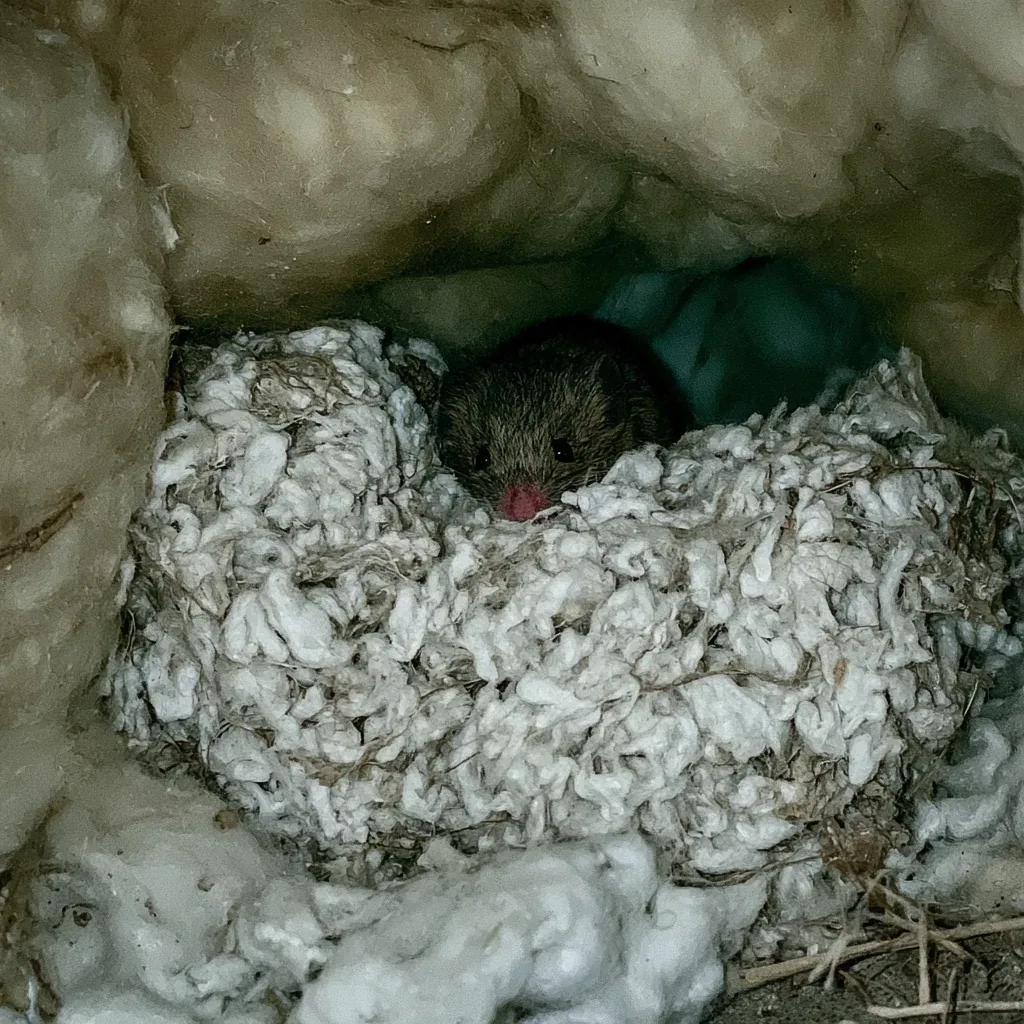
Finding droppings or urine changes how cleanup should be handled. Avoid sweeping contaminated material dry or otherwise raising dust, because rodent waste can carry germs. A clean-looking counter does not establish that a nearby route into the building has been closed. Include any food or packaging touched by waste in the cleanup plan.
When rodents appear, the next step depends on where they are getting in and what evidence is present. The independent licensed pros we connect you with can assess affected areas, choose a control approach such as capture devices or bait placements, and address openings that may let rodents inside. Some may also check later for renewed activity, depending on the services available for that property.
Find where rodents are active and how they get in, then choose the right next step.
View Rodent Inspection help in the United States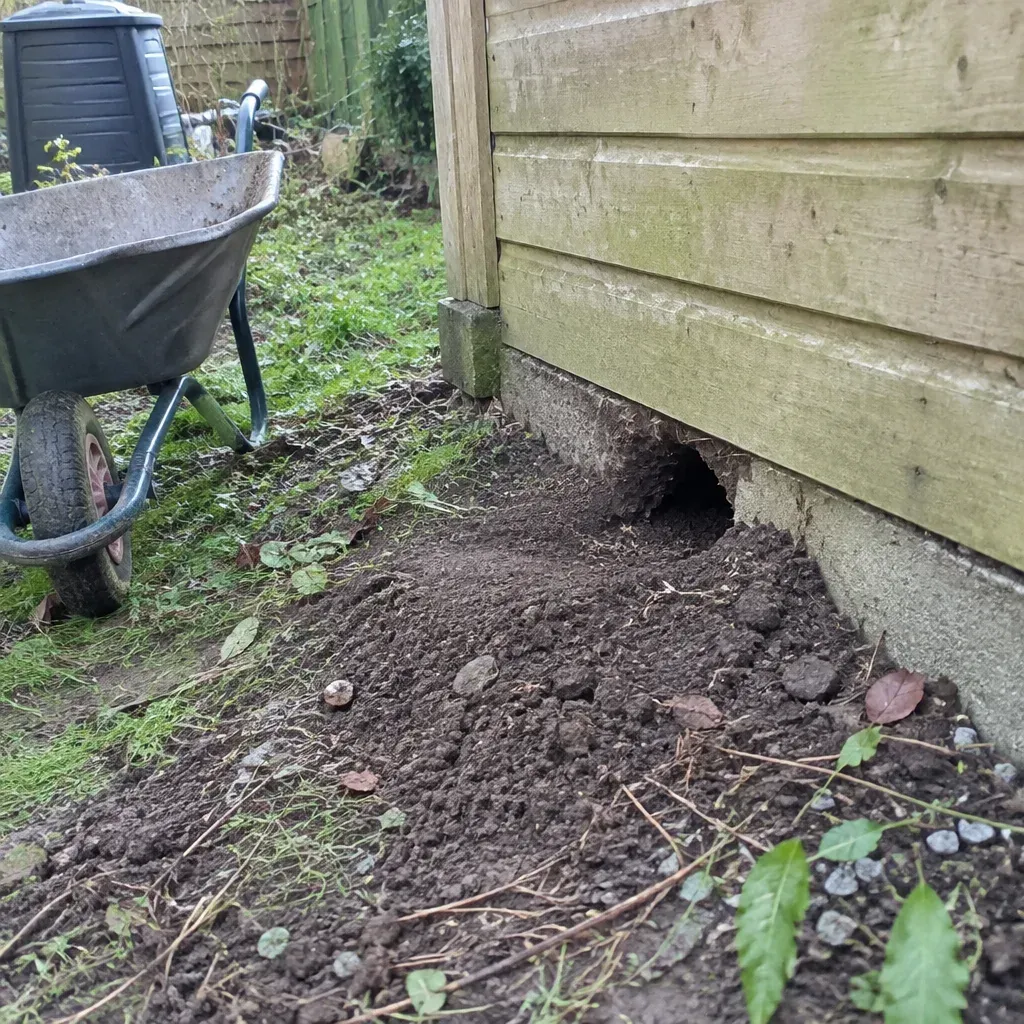
Call now to reach a licensed local pro who inspects for rat activity and explains the right control steps.
View Rat Control help in the United States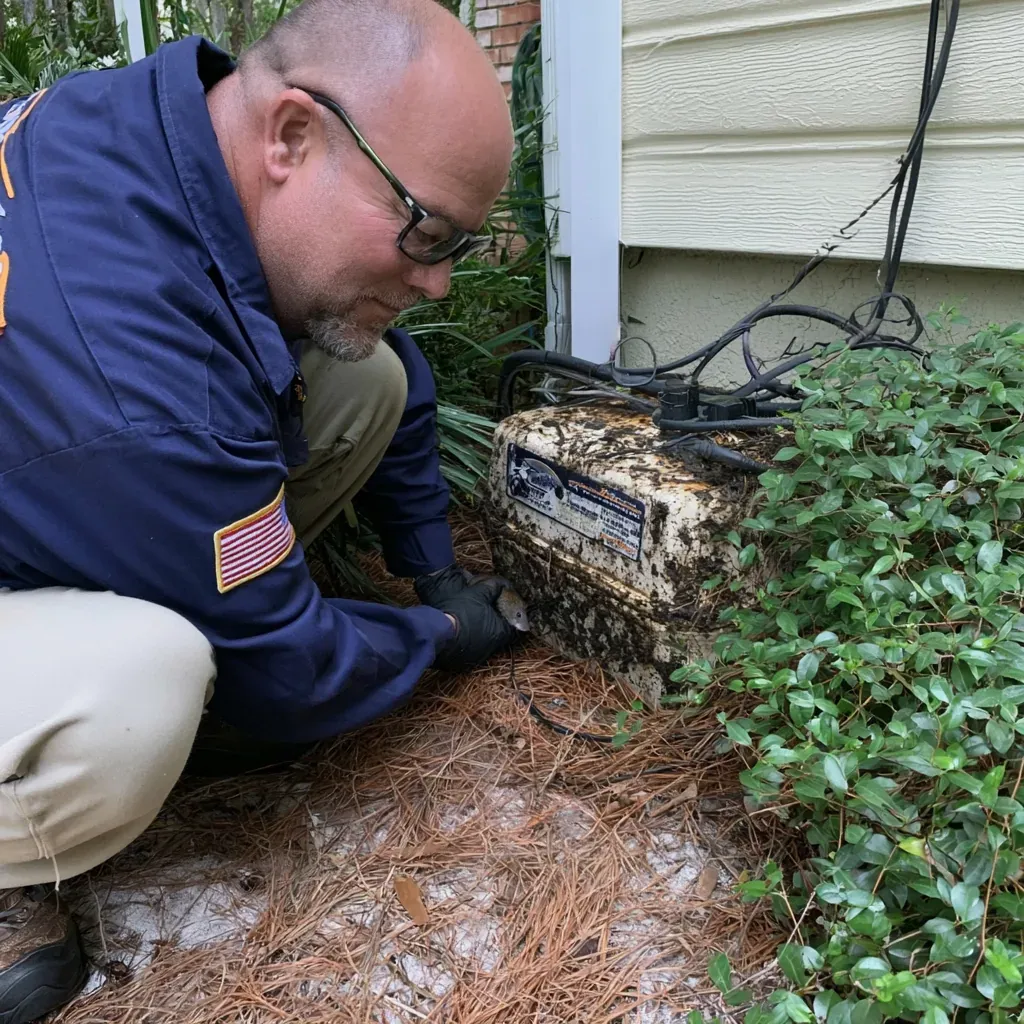
Call now to reach a local licensed pro who finds where mice travel and enter, then treats those spots.
View Mouse Control help in the United States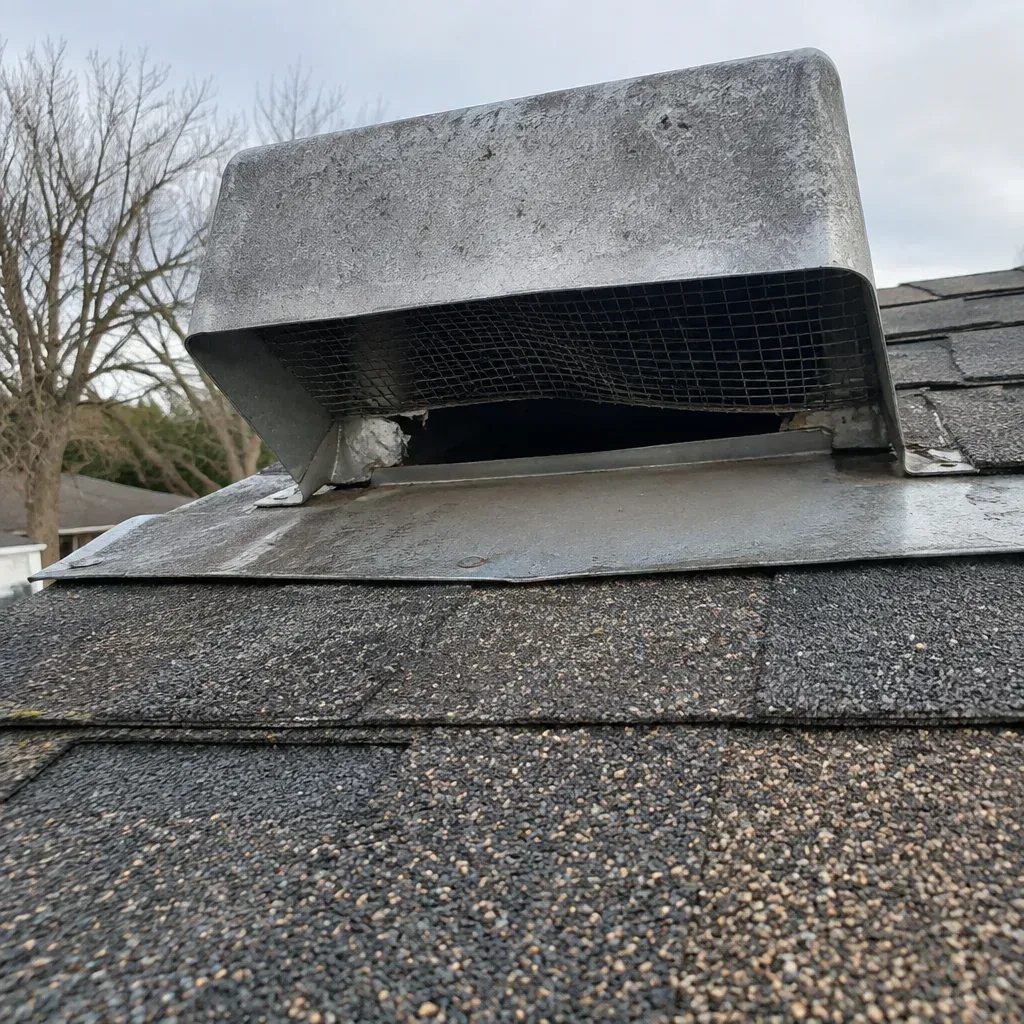
Traps placed where rodents actually travel and checked on schedule by a local licensed pro. Call now.
View Rodent Trapping help in the United States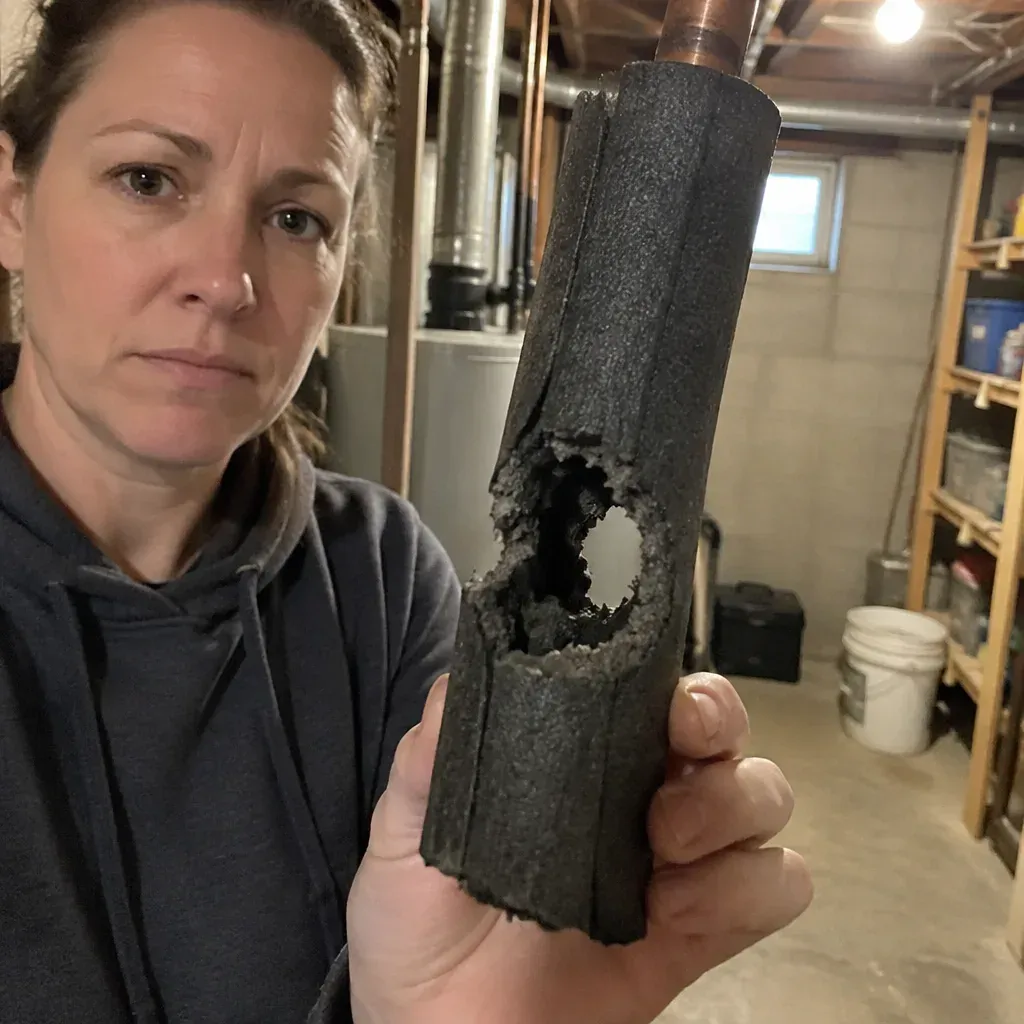
A licensed pro inspects first, then places bait only where the evidence points and children and pets can't reach.
View Rodent Baiting help in the United States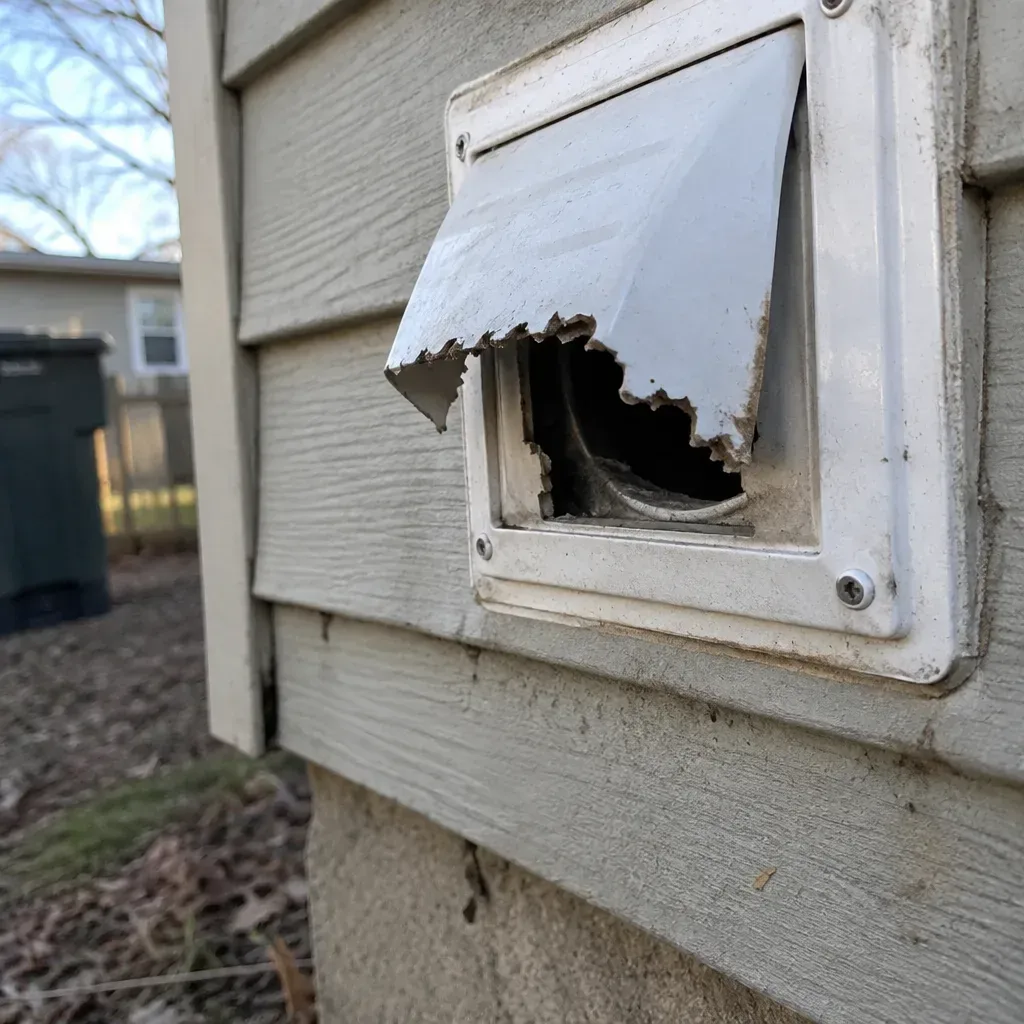
Find the gaps, seal them the right way, and keep rats and mice out with a local licensed pro.
View Rodent Exclusion help in the United StatesThe signs and access points found on site can affect the work and its cost. Scratching after dark or damage to stored items may point to rodent activity, while small spaces around pipes, doors, and building edges can let rodents inside. The pros we connect you with may inspect, trap or bait, and seal openings.
For a the United States property, ask the pros we connect you with whether open gaps could leave a route back inside after control, and whether sealing them or changing food storage belongs in prevention guidance.
Rodent control pages name communities from Anniston AL and Auburn AL to Birmingham AL and Homewood AL; elsewhere, callers follow the same referral. If you hear activity near walls or find a gap by a pipe, ask how those observations guide inspection and service steps.
An estimate starts with $80–$175; its scope can change with the parts of a residence or business included and the work considered. Rodent control serves both settings, though a kitchen, storage room, office, or shared work area can call for different attention. Inspection can look for entry gaps or signs of activity in the rooms included in the request. The request should identify where the property is so it can be matched to the listed coverage. After inspection, a provider may discuss device placement, access-gap work, and monitoring.
Homes in Anniston ZIPs 36201, 36205, 36206 and 36207, from historic districts to McClellan-area residences, can be matched with a local licensed pro.
Rodent control in Anniston ALServing Auburn homes in ZIP codes 36830 and 36832. Call now and we'll connect you with a local licensed pro.
Rodent control in Auburn ALWe connect Birmingham homeowners in ZIPs 35203 through 35234 with local licensed pros. Your signs, entry points, and address shape the plan.
Rodent control in Birmingham ALHomewood requests can use ZIP 35209, but some addresses in that ZIP sit outside city limits, so confirm yours when you call.
Rodent control in Homewood ALTell the pro you're near Cahaba Landing or Beacon Park, then let your home's construction guide the inspection.
Rodent control in Irondale ALHelp for Center Point homes in ZIP codes 35215 and 35235. Call (866) 583-0187 to be connected with a local licensed pro.
Rodent control in Center Point ALSeeing droppings, nesting material, or hearing scratching in your Tarrant home? Call now to ask about service in ZIP 35217.
Rodent control in Tarrant ALEnter your property address to see if a rodent control referral could serve it.
Household rodent clues, prevention basics, and practical control reading for the United States homeowners.
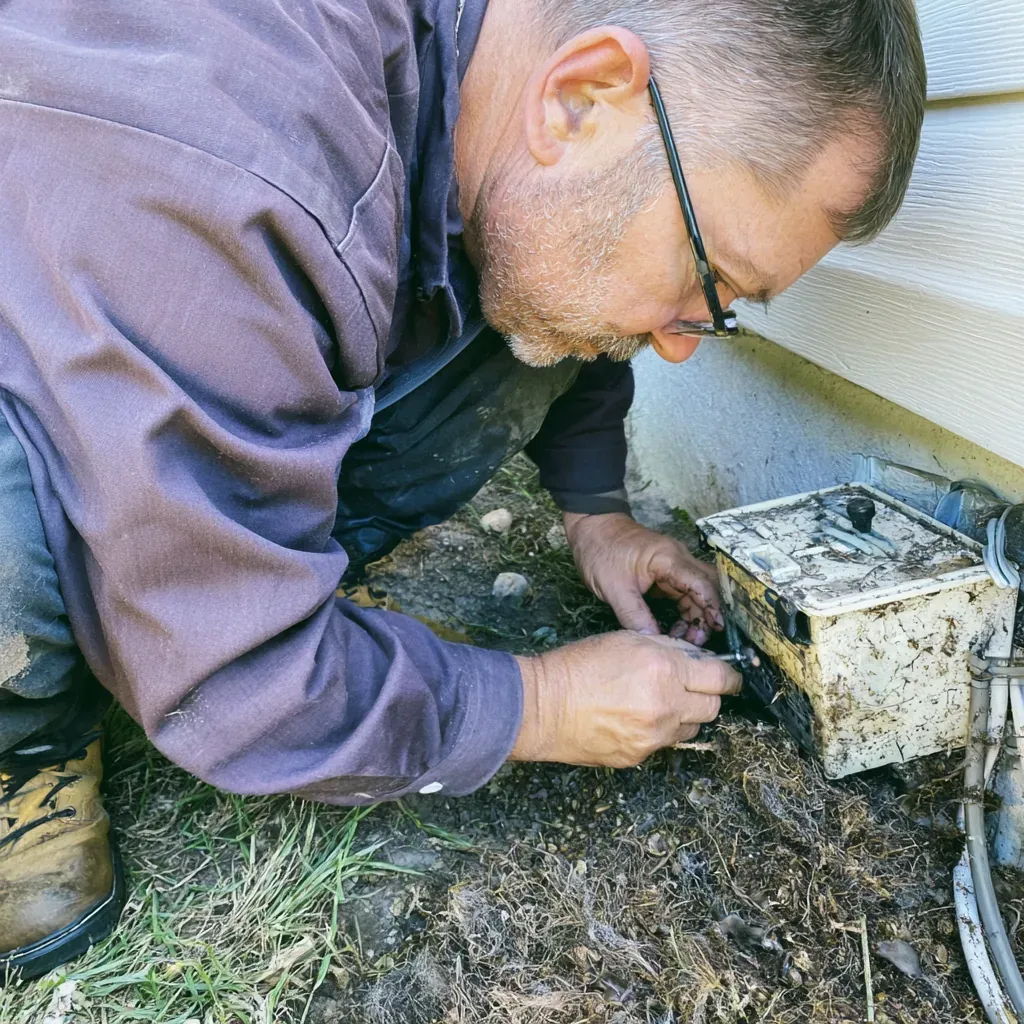
Walk your yard in order to spot dense cover, stored materials, accessible waste, and sheltered routes that may make it more attractive to rats and mice.
Read article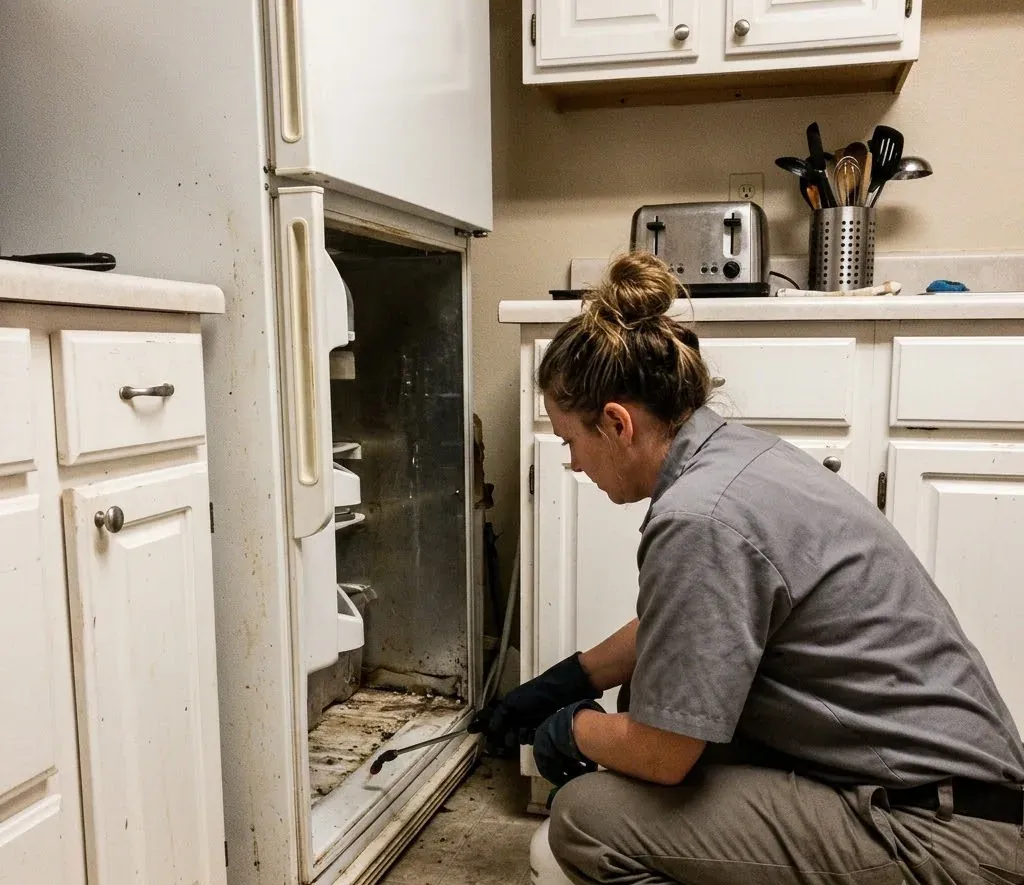
Learn how accessible pantry food, lingering moisture, stored materials, and small openings can support rodent activity, and what to review around your home.
Read article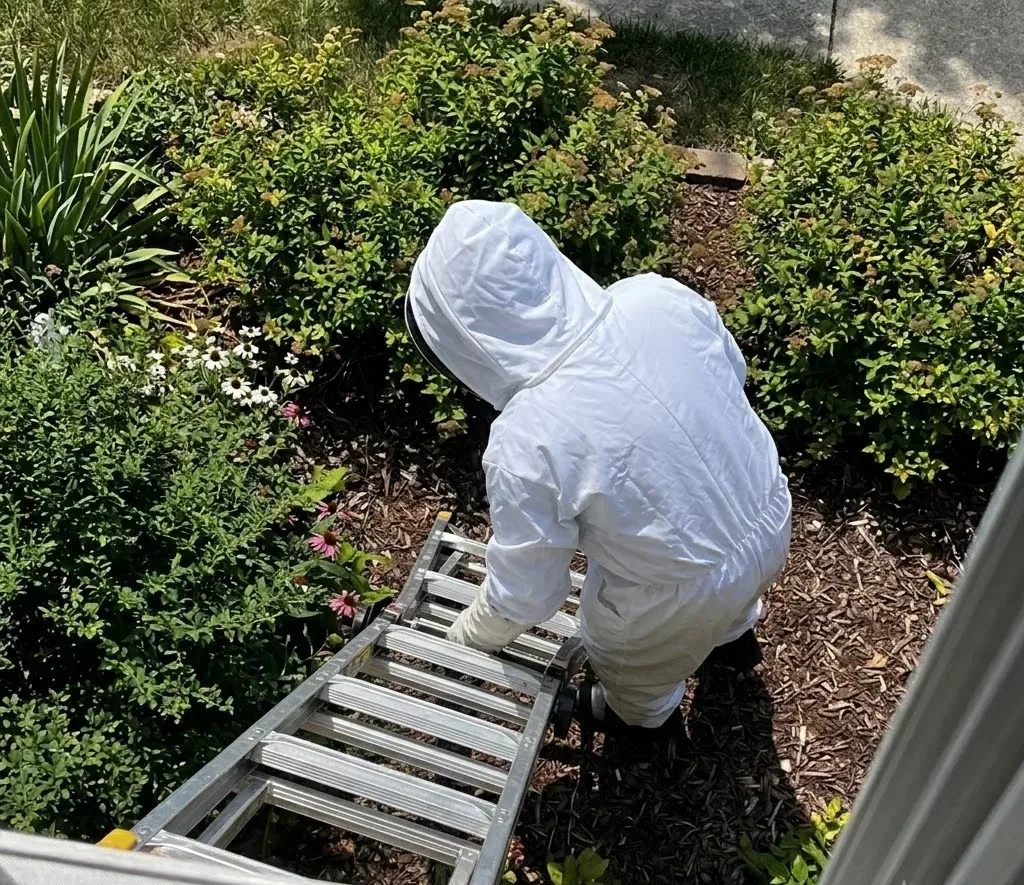
Learn how to judge suspected rat burrows using changes at the entrance, nearby clues, and possible yard causes, plus when an inspection may help.
Read articleA mouse or rat may leave small clues before you spot the animal itself. Check pantry shelves for torn wrappers, corners for dark pellets, and baseboards or stored boxes for fresh bite marks. Scrapes or movement in a wall or ceiling after dark can also be worth noting. Share what you have observed with the pros we connect you with to discuss an inspection and possible control steps.
Droppings, gnawed surfaces, and chewed food packages show where rodents feed and travel. Their condition and placement help the pro judge whether rats or mice are likely.
Rodent Inspection →Dark, tapered droppings near a pantry, garage, or utility area can mark where rats have been traveling. Note the room and nearby surfaces without disturbing the material.
Rat Control →Tiny dark droppings, fine chew marks, or moved food along the back of a drawer or inside a low cupboard can mean mice are reaching your food. Note the exact shelf or cabinet and whether the evidence looks recent.
Mouse Control →A cluster of droppings is a good place to start, because a trap there can show whether the route is still active. Compare it with other signs nearby, and avoid stirring up droppings during cleanup since contaminated dust can be a health concern.
Rodent Trapping →Droppings, nesting scraps, or fresh marks on packaging can show where rodents feed or shelter. A pro uses these signs to decide where bait could be reached, not just where it fits.
Rodent Baiting →A faint draft or a glimpse of daylight at a pipe, utility line or foundation opening is a good reason to ask about exclusion. A pro can tell you whether the gap can be closed and whether the nearby surface will hold the repair.
Rodent Exclusion →Review the signs you have noticed so you can describe them clearly during the call.
Learn how inspection findings may inform trap or bait placement, access closure, and checks on rodent activity.
Use the rodent guide to prepare questions about signs, inspection findings, and precautions before treatment.
If inspection notes or the proposed scope use unfamiliar terms, ask the provider to explain them in everyday language.
Mark where you hear scratching, find droppings, notice chewing, or see a possible opening.
A rodent inspection is $80–$175. The final amount can depend on the areas a provider needs to reach and how much of the home requires review. Ask whether the charge covers a visit, a written recommendation, or both, and whether it changes if you proceed with service. For a ranch or split-level, mention any attic, crawlspace, or basement access that could affect the visit.
Look for clear answers about the proposed approach, what work it includes, and how results will be assessed. A provider should be able to explain why trapping, baiting, or sealing access points may fit what you report, and what could change after an inspection. Ask for the plan in writing and check that you understand who you will contact with questions. A clear explanation makes providers easier to compare.
Have the service address, property type, and a short description of what you have noticed. Mention where you heard sounds or found droppings, gnaw marks, or disturbed materials, and when the signs appeared. Note which rooms or levels are affected, including a garage, attic, or basement, and whether access is limited. These details help the provider decide what to ask next and whether an on-site visit may be useful.
Compare the tasks and expected outcome in each proposal before weighing the total. Check whether the work addresses only current activity or also access gaps, prevention guidance, and device monitoring. Look for items left out, work billed separately, and conditions that could lead to another visit or added work. Ask how the proposed work will limit exposure for household members and pets.
Describe where children and pets spend time, including feeding and sleeping areas, and ask how that affects the choice and placement of control products or devices. Request the product name and the label-based precautions that apply to your household. Clarify what needs to be moved or kept out of reach, and when normal access can resume. Rodent bait can create exposure risks if mishandled, so follow the provider's instructions and product directions.
Some providers inspect before proposing work; ask what the visit includes and whether it is required for your situation. A useful review may consider signs of activity and openings around foundations, doors, or utility lines. You may hear scratching or see damaged materials before knowing where rodents travel, so findings can help shape the recommendation. Ask whether you should make particular areas accessible before the appointment.
Inspection and quote fees depend on the provider. Ask whether the initial visit is billed and whether preparing the quote carries a separate charge; $80–$175 can help you understand the inspection cost. Before booking, confirm when payment is due and whether any recommended treatment or entry sealing would be billed separately. That way, you know what the first visit commits you to.
Ask whether the visit includes checking for fresh droppings or gnaw marks, signs that can help track whether activity continues. Clarify whether the provider will point out openings that still need attention and explain prevention steps you can handle, such as storing food in sealed containers. Follow-up may cover device checks, exclusion work, or both, so have each included task written into the service plan.
Review your policy's claim instructions before deciding what records to gather. Ask separately about inspection, control work, and repairs, since the policy may treat each expense differently. Describe what happened and ask what records the insurer needs before you authorize work or arrange repairs. Keep estimates, invoices, and relevant photos together, but do not assume that a particular rodent expense or damage will be covered.
For rodent control, the estimate is $80–$175 for this work. If the inspection supports sealing openings along with control measures, that broader scope can affect the amount the pros we connect you with confirm.
A faint sound behind a wall or a torn food package can help you describe where concern began. Note the room, what you noticed, and whether signs have appeared elsewhere; an inspection can use those details to assess possible rat or mouse activity and entry routes. Before arranging service, ask whether the provider can visit your location, what the visit costs, what tasks the proposed work includes, and whether checks after treatment are available. Keeping a short record of new signs can help you describe whether the pattern has changed.
Call (866) 583-0187