Rodent Warning Signs in the United States
Fresh chewing, pellets, or a scrape heard after the house is quiet can make you wonder whether activity is limited to one spot. A mouse sighting may be near a travel route, while signs in separate rooms can bring more of the structure into view. A greasy rub mark can form where mice repeatedly brush against a surface as they move. An inspection can connect signs and access concerns to a plan that considers prevention along with control.
Finding evidence is only part of the problem: rodents may keep getting inside while openings remain available. This guide follows the issue from signs and possible routes into a building to control and prevention choices. A sign by itself does not show which opening is in use, so the pros we connect you with can inspect the property before recommending next steps.
Inspection cost is shown at $80–$175; the house layout and the signs you can point out help frame the visit. A sharp, musky odor can linger where mice have nested, even when no animal is visible. The pros we connect you with can check likely travel areas and small gaps around pipes, doors, or foundations. Keeping food shut away and crumbs cleared limits easy food, but it cannot block an opening. Cleaning soiled areas matters because rodent waste can leave germs behind.
Signs of rodent activity needing prompt attention
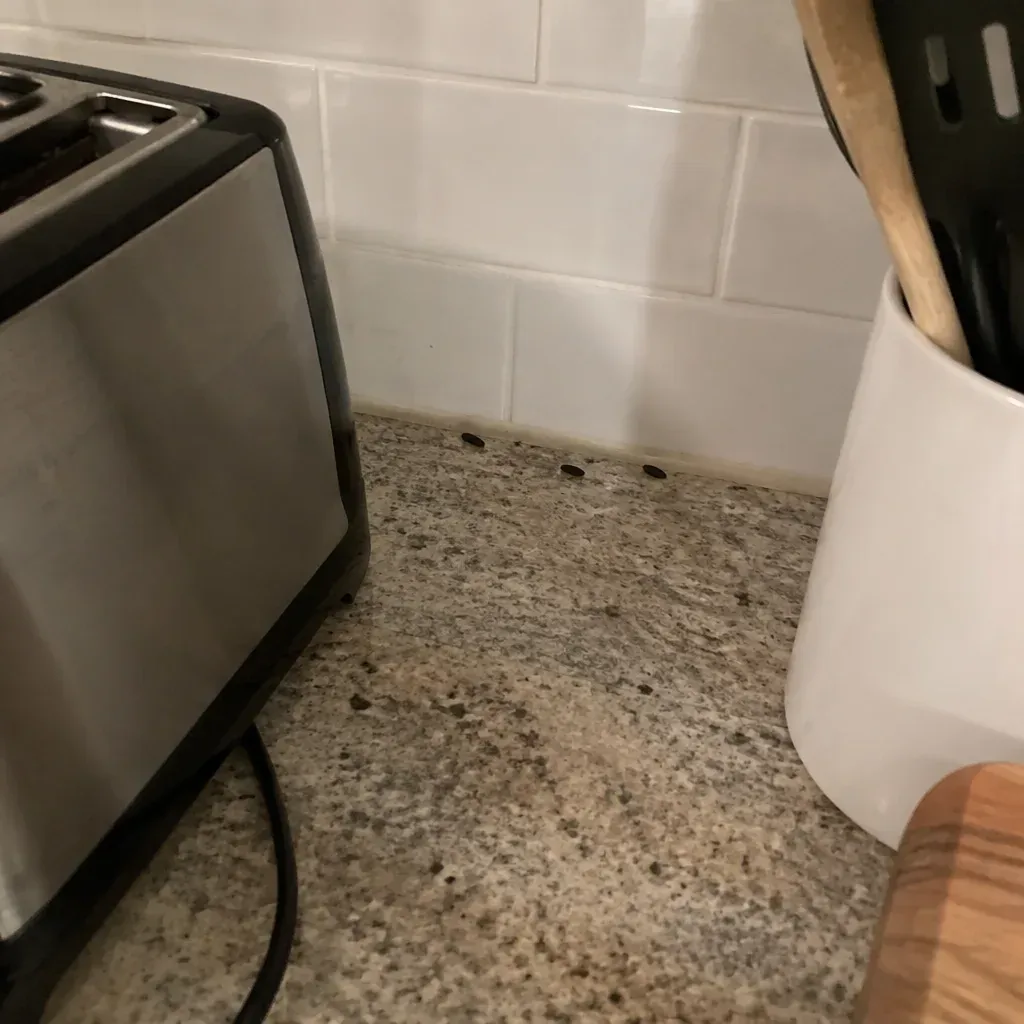
Droppings or gnaw marks indoors can signal activity near household food or surfaces, while signs by a gap may point to an entry route.
| Signs you noticed | What they may indicate | How soon to address them | Read more |
|---|---|---|---|
| Rodent Urine Stains A possible mark may appear as a small yellow, straw, tan, or brown spot, a thin streak, or a faint edge near a floor, baseboard, or lower wall. On a ranch or split-level, it may be easier to see against a pale finish. The surface can look dry, and the outline may be uneven. | A stain’s appearance cannot set a cleanup cost; suspected rodent urine needs careful handling because urine can carry germs. Possible rodent urine staining is discoloration that may result from urine contacting a surface, but the mark alone cannot confirm rodents. If you clean a suspected contaminated spot, avoid raising dust. An inspection can assess whether other signs point to rodent activity. | A stain alone cannot show when it formed or whether activity is current. Left in place, it may remain visible, and new discoloration over the coming days could overlap it and obscure changes. Note its location and appearance so an inspection can compare what you saw with other findings. | Rodent Inspection |
| Dead Rodents Found A dead rodent may lie on its side or back, with its legs tucked near the body or stretched outward. Its posture remains fixed, and the body does not change position as you watch. The fur can look pressed flat against the body; the eyes may be open or closed. | Cost depends on access to the body and whether the visit also checks for signs of continued activity. Finding a dead rat or mouse confirms one was present at that spot, but not whether others remain. Avoid disturbing nearby dust and ask the pros we connect you with about removal. Greasy rub marks can appear along walls where rodents repeatedly travel. | As people use the room, movement can disturb nearby dust; droppings and urine can carry germs. If the body remains in a walkway, that disturbance can happen during routine use. Prompt attention helps limit contact with the area and makes it easier to assess for continuing rodent signs. | Rodent Inspection |
Signs worth having inspected
A concern may not need urgent response, yet prompt attention can help limit wider activity.
| Signs you noticed | What they may indicate | How soon to address them | Read more |
|---|---|---|---|
| Rodent Urine Odor The odor may be sharp and ammonia-like, or stale and musty. You might notice it near a floor, wall edge, cabinet, or enclosed storage area; its strength can vary between rooms and may be faint or distinct. Unlike a visible mark, this sign has no fixed shape or color. | Across the United States, a sharp or musty urine odor is a reason to investigate, not proof of rodent activity or a reliable guide to its source. Urine odor can cling to porous materials, so nearby fabric or unfinished surfaces may hold the smell. Note where the odor is strongest. Avoid sweeping or vacuuming suspect material, and ask the pros we connect you with about assessment. | If its source remains, the odor may persist for an extended stretch and reach connected rooms, making it harder to pinpoint. Fresh droppings or new gnaw marks near the odor can suggest activity is ongoing. | Rodent Inspection |
| Rodent Nesting Materials You may see a tight clump or separate strips and fragments of gathered material. Pieces can vary in size, color, and texture according to what they came from; some look smooth or folded, others ragged. The material may be tucked into a sheltered recess, along a wall edge, or above a ceiling panel. | Cost is shaped by how much material must be assessed and whether nearby access points need attention. A clump of torn fibers or paper tucked out of view may be a rodent nesting site. It does not establish that rodents remain; note where you found it and have the surrounding area checked for gaps and other signs. | Material left undisturbed may stay out of sight while an open gap still gives rodents access, and loose pieces can move as the area is used. If you delay assessment, the original patch may become harder to distinguish from later debris. | Rodent Inspection |
| Rodent Tracks In settled dust, tracks may appear as shallow dimples arranged in short, uneven runs, with fine marks at the edge of some impressions. A narrow, broken streak may run beside them. The marks can be lighter or darker than the dust around them and may show on floors, shelves, or ledges. | Gnaw marks on food packaging or wood can also indicate rodent activity. Rodent tracks are impressions or trailing lines in dust that can help locate a travel route, but the marks alone do not establish which response fits. Note where you see them so the pros we connect you with can assess the signs. | Routine cleaning or foot traffic can erase a dusty trail before it is assessed. If activity continues, later impressions may blur the first route, making the pattern harder to interpret by the next cleanup. | Rodent Inspection |
| Rodent Sightings A rat or mouse may appear as a small, low-bodied animal with fur in shades of brown, gray, or dark gray. It may cross an open floor or move close to a wall. Its body is compact, with a tapered face, small ears, and a thin tail; the coat looks soft or coarse from a distance. | Rodent sightings means seeing a rat or mouse indoors. Cost can change with whether service needs to address activity, entry openings, or both. Note the room and direction it traveled, then check nearby edges and openings for droppings, gnawing, or nesting material. These clues can help the pros we connect you with decide where to inspect. | An open route can let another rat or mouse enter, so a sighting may be followed by further activity while that gap remains. Droppings or gnawing can accumulate over time; service checks and their timing depend on the plan. | Rodent Inspection |
| Rodents Seen During the Day A daytime sighting may register as a low, rounded silhouette moving across an open floor or holding still beside a baseboard. The body stays close to the ground, with short legs tucked beneath it; from above, its outline looks broader through the middle and narrows toward the front and rear. | Droppings and gnaw marks can offer clues when rodent activity is hidden. Seeing a rodent in daylight is a reason to look for other signs, not a measure of how many are present. The pros we connect you with can assess the site. Pages cover listed places; elsewhere, service connects through the same referral. | An open access point can let rodents keep moving inside, so activity and new signs may continue over the days ahead. Fresh droppings near food or nesting areas can be another sign of ongoing activity. | Rodent Inspection |
| Rodent Rub Marks These marks appear as flat, dark brown, gray, or black smears, often narrow and uneven, though nearby strokes can merge into a wider patch. They may sit along baseboards, wall edges, or around pipes. The surface can feel slick or greasy rather than dusty; color and outline vary with the material underneath. | Cost depends on the inspection and whether monitoring, traps or bait stations, or sealing openings are recommended. A rodent rub mark is a dark deposit where a rodent has repeatedly brushed a surface. Gnawing may also leave rough edges on wood or packaging. | Continued contact can make a streak darker or broader over time. If rodent activity persists, an open route can keep bringing traffic past the same area. Left alone for days or weeks, the mark may lose its clear outline, making its path harder to assess during inspection. | Rodent Inspection |
Signs to keep an eye on
No marks may show yet; early signs still merit attention.
| Signs you noticed | What they may indicate | How soon to address them | Read more |
|---|---|---|---|
| Pets Reacting to Rodents A dog may freeze with its muzzle near a wall, turn one ear toward a cupboard, or sniff along a floor edge. A cat may crouch beside an appliance, keep its gaze fixed on a gap, or reach one paw beneath a cabinet. The posture can recur at the same hidden spot. | The inspection findings and the control work suited to the home shape the cost. A pet staring, sniffing, or pawing at an enclosed spot can draw your attention to possible rodent activity, but the reaction alone cannot confirm it. Note where and when it happens, then have the area assessed for signs and access points. | If rodents are present, activity may carry on while an entry gap remains available, and a pet could keep returning to the same area over time. Chewed packaging or gnaw marks can also signal rodent activity. | Rodent Inspection |
| Rodent Fur Found The hairs are fine, lightweight strands that may lie separately or form a small, loose tangle. They can be pale, brown, gray, or dark, and may stand out against a smooth sill or floor edge. Some strands look straight; others curve or cling together. Their texture is soft and wispy, unlike a firm pellet or crumb. | Service cost depends on the area that needs inspection and the access points the pros we connect you with find. Rodent fur found is shed hair on a surface along a rodent's route. Treat it as a clue, not proof; note where you saw it. Fur can cling to rough surfaces where a rodent brushes past. | Droppings or gnaw marks nearby can offer another clue when fur alone leaves the source uncertain. An unsealed opening can preserve access, turning a single finding into a recurring household concern if activity goes unassessed. | Rodent Inspection |
Rodent Control Guide
What does rodent urine odor mean?
Across the United States, a sharp or musty urine odor is a reason to investigate, not proof of rodent activity or a reliable guide to its source. Urine odor can cling to porous materials, so nearby fabric or unfinished surfaces may hold the smell. Note where the odor is strongest. Avoid sweeping or vacuuming suspect material, and ask the pros we connect you with about assessment.
What does rodent nesting materials mean?
Cost is shaped by how much material must be assessed and whether nearby access points need attention. A clump of torn fibers or paper tucked out of view may be a rodent nesting site. It does not establish that rodents remain; note where you found it and have the surrounding area checked for gaps and other signs.
What does rodent tracks mean?
Gnaw marks on food packaging or wood can also indicate rodent activity. Rodent tracks are impressions or trailing lines in dust that can help locate a travel route, but the marks alone do not establish which response fits. Note where you see them so the pros we connect you with can assess the signs.
What does rodent sightings mean?
Rodent sightings means seeing a rat or mouse indoors. Cost can change with whether service needs to address activity, entry openings, or both. Note the room and direction it traveled, then check nearby edges and openings for droppings, gnawing, or nesting material. These clues can help the pros we connect you with decide where to inspect.
What does rodents seen during the Day mean?
Droppings and gnaw marks can offer clues when rodent activity is hidden. Seeing a rodent in daylight is a reason to look for other signs, not a measure of how many are present. The pros we connect you with can assess the site. Pages cover listed places; elsewhere, service connects through the same referral.
What does rodent urine stains mean?
A stain’s appearance cannot set a cleanup cost; suspected rodent urine needs careful handling because urine can carry germs. Possible rodent urine staining is discoloration that may result from urine contacting a surface, but the mark alone cannot confirm rodents. If you clean a suspected contaminated spot, avoid raising dust. An inspection can assess whether other signs point to rodent activity.
What does pets reacting to rodents mean?
The inspection findings and the control work suited to the home shape the cost. A pet staring, sniffing, or pawing at an enclosed spot can draw your attention to possible rodent activity, but the reaction alone cannot confirm it. Note where and when it happens, then have the area assessed for signs and access points.
What does rodent fur found mean?
Service cost depends on the area that needs inspection and the access points the pros we connect you with find. Rodent fur found is shed hair on a surface along a rodent's route. Treat it as a clue, not proof; note where you saw it. Fur can cling to rough surfaces where a rodent brushes past.
What does rodent rub marks mean?
Cost depends on the inspection and whether monitoring, traps or bait stations, or sealing openings are recommended. A rodent rub mark is a dark deposit where a rodent has repeatedly brushed a surface. Gnawing may also leave rough edges on wood or packaging.
What does dead rodents found mean?
Cost depends on access to the body and whether the visit also checks for signs of continued activity. Finding a dead rat or mouse confirms one was present at that spot, but not whether others remain. Avoid disturbing nearby dust and ask the pros we connect you with about removal. Greasy rub marks can appear along walls where rodents repeatedly travel.
Connect Activity Clues With Next Steps
Start with the detail you can observe: where a sound came from, what material was damaged, or which area held droppings. Record when you first noticed the sign and whether it has changed since then. Avoid disturbing suspected contaminated material while you decide what to do. When you contact a provider, describe the location and ask about an inspection, available control options, and the visit charge. Ask who to contact if activity continues after the initial work.
Call (866) 583-0187