Availability varies — call to confirm. · (866) 583-0187
Rodents Near Stored Food in the United States
Pantry activity clues

Rodent Control for Pantry Food Across the United States

Pantry signs can appear in any season, so a change in weather alone does not establish activity. Check whether package damage or shelf debris is new or recurring, and use that pattern to decide whether an inspection is needed.

PRODUCT PRECAUTIONS

Rodent control near pantry food starts by setting aside damaged or exposed items and securing unaffected goods in rigid containers. An inspection can assess whether signs are recurring and how far they extend through storage areas. Continued activity may expand cleanup and control needs, so report new clues and seek an inspection when they return.

RODENT EVIDENCE

Potential Access Areas Around the Structure

Droppings in a seldom-used space can raise questions about where rodents travel and whether more signs are present.

Rice grains trail from a torn sack behind pantry cans.

Repeated rough cuts along a carton corner can fit gnawing, especially if more than one nearby package is marked. A dent from stacking may look similar but lacks the same cut edges. Set aside any package whose inner food protection is breached, and note the shelf where the marks appeared.

Oat flakes sit inside a drawer that was shut.

A pinhole through a flexible food wrapper may expose the contents even when the box around it looks intact. Look at the inner layer without opening or handling suspect food. If the barrier is pierced, keep that item out of meals and discard it; continued punctures warrant an inspection.

A cereal sleeve has a crescent-shaped bite notch.

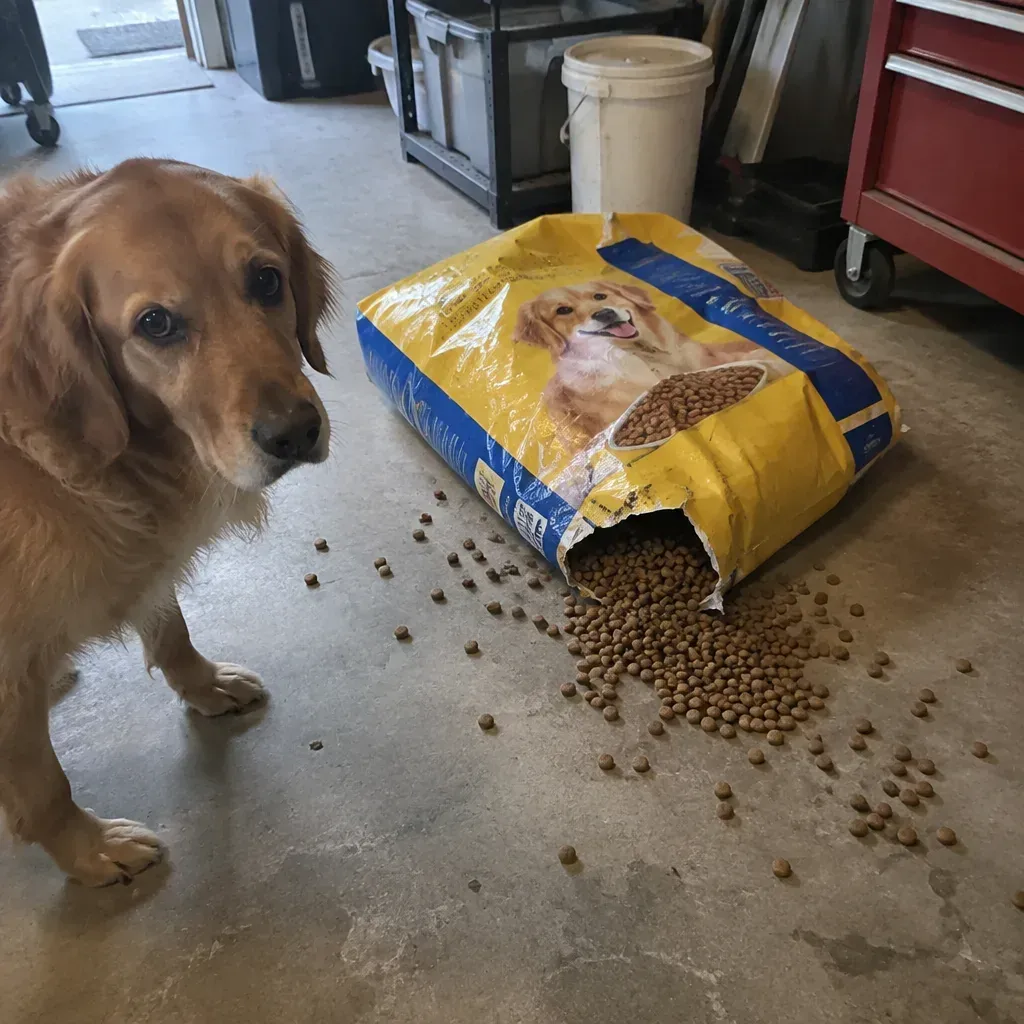
A trail of dry grains beneath a shelf can suggest that a bag was opened or contents were moved, though a spill can leave a similar scatter. Notice whether the same area changes after restocking. Secure intact goods and request an inspection if fresh scatter keeps returning.

A cracker box corner is folded inward beside the goods.

Chewed corners or pinholes in a food wrapper can mean a rodent reached the contents, even when the item still looks usable. Set damaged packages aside for disposal and move intact goods into sealed, rodent-resistant containers. If new damage appears after storage is secured, an inspection can trace activity along pantry shelves and nearby routes before more supplies are affected.

A pantry bin latch hangs loose beside stored food.

A rubbed-looking line along a shelf lip may form where an animal repeatedly passes, though containers and routine use can also scuff the surface. Its position matters: a mark aligned with damaged packages adds context. Record the shelf and report whether the line or nearby signs are new.

Evidence Of Rodent Movement Indoors

Pantry layouts vary across the United States, from compact cabinets to storage rooms in larger houses. Nearby travel routes can help explain why pantry signs appear in particular storage areas. The inspection focuses on the signs and storage pattern at your property.

A ranch, split-level, or subdivision home may store dry goods in different cabinets, closets, or utility areas. That changes where clues appear and how much storage needs review, especially when activity continues. The property’s actual evidence guides the inspection rather than its home style.

This site has pages for some cities and counties, with other locations reached through the same referral. When you contact us, give the property location so the pros we connect you with can consider the request in context.

What Shapes Service Scope

GRAIN TRAIL
A damaged outer carton can hide a puncture in the inner wrapper, leaving food exposed even when the contents look unchanged.
DRAWER FIND
Clues across several shelves may indicate a wider storage pattern than one isolated damaged package.
CARTON NOTCH
Rigid containers with tight lids help protect unaffected pantry goods from access through flexible packaging.
FOOD DISPOSITION
Punctured food packages are a pantry clue that warrants checking nearby stored supplies.
SEALED GOODS
Recording the shelf and item where new signs appear helps show whether activity is continuing.
NESTING MATERIAL
Pantry signs can appear in any season, so a change in weather alone does not establish activity. Check whether package damage or shelf debris is new or recurring, and use that pattern to decide whether an inspection is needed.
INSPECTION FINDINGS
an estimated $80–$175

Noise in Walls Has Other Sources

Package wear from handling can resemble rodent damage because both may leave a crushed corner or split seam. Handling tends to make broader pressure marks; repeated uneven cuts and nearby pantry clues raise more concern about gnawing. Compare the damaged area with nearby marks and the package’s position. Handling often leaves a broad crease or clean split, while gnawing can leave uneven cuts at an edge. Multiple marked items or fresh debris nearby provide useful context for an inspection.

Factors That Shape Service Cost

The provider reviews package damage, loose food, droppings, and shelf marks together, noting where evidence is fresh and whether it repeats across storage areas. They compare this pattern with nearby travel routes to assess ongoing activity. A longer history of signs can require a broader review before the control plan is set.

The pros we connect you with compare damaged wrappers, gnaw marks, and nesting material across the pantry to locate where activity is concentrated. They can also note which food items may need to be set aside while the activity is addressed. The placement and monitoring plan follows what the inspection finds.

A single appointment may cover a small, understood issue if the recommended control and access work can be completed together. When traps or bait stations remain, ask who will check them and what findings could change the plan; ongoing service makes sense when that oversight is needed.

SERVICE SCOPE: INITIAL REVIEW VERSUS RETURN OBSERVATIONS
Service Scope Activity Clues
Rodent activity noticed before it growsHouse assessment
Open gaps allow another indoor visitReferral coverage
Rodent traces near multiple access gapsAccess gaps blocked; traps assessed

Check Utility Lines For Gaps

Set aside packages with possible contact, discard breached food, and move unaffected goods into rigid containers with tight lids. You can note the shelf and date when new clues appear, then share that record during an inspection. Avoid touching droppings or moving suspect debris; ask the provider how to handle cleanup and any control products safely.

How Follow-Up Guides Further Action

Food in torn or punctured packaging, or with likely rodent contact, should be discarded rather than tasted. Keep questionable goods away from meal preparation and separate them from unaffected supplies. Food stored on a shelf with signs may need review even if its package appears intact. If signs have spread across shelves, limit access to the area and ask a provider about safe cleanup and control steps.

Check Which Tasks Affect the Total

Ask what preparation may be needed and whether you will need to leave the property during any part of the service.Your guide estimate reflects the inspection and control work anticipated from available details; added sealing or later checks are outside it unless included. What you pay depends on the findings and agreed scope. In ranch, split-level, or subdivision homes, signs and access can shape that work. The pros we connect you with can confirm any visit charge and the precise tasks covered when you call.Cost bands are listed in pricing guide. Use Rodent Inspection to learn what rodent-control work can include after an inspection.
CONTROL OPTIONS

Mapping Rodent Travel Through Buildings

Rodent Noises

Wall and Ceiling Sounds. Rodent control can assess reported wall or ceiling sounds by…

Common Questions

Rodent Control Guide

What should I do when pantry packages show possible rodent contact?

Move food with torn, punctured, or otherwise suspect packaging out of meal use. Keep it apart from sound supplies until you can discard it, and transfer unaffected goods to rigid containers with secure lids. If fresh damage or scattered food keeps appearing, an inspection can compare the pantry pattern with nearby travel routes. Waiting while signs accumulate can make it harder to tell which items and shelves were affected.

Can I keep food from an unopened package beside damaged goods?

Keep sound packages separate from anything with a hole, tear, or likely animal contact; discard food whose packaging is breached or appears exposed. A sealed inner wrapper should still be checked if an outer package is damaged. Once suspect goods are removed, place unaffected pantry items in rodent-resistant containers. This helps limit further access while an inspection assesses whether activity is continuing around the storage area.

What can change the scope of a pantry rodent inspection?

An inspection can also compare pantry clues with nearby travel routes to help shape the control options discussed afterward. A single marked shelf may take less assessment than a crowded pantry with changes across several cabinets. If activity has continued, tell the provider where and when new clues appeared; that history helps define the inspection needed.

When should I arrange an inspection for repeated pantry signs?

Arrange an inspection when fresh package damage, loose food, or other pantry clues return after you have set aside suspect goods and secured unaffected supplies. Repeated changes across shelves can mean the activity is continuing and may broaden the cleanup and control work. Newly affected food may need to be separated from intact supplies while the provider reviews the changed areas.

Rodent Assistance

Not sure how far the rodent activity has spread?

Use your first call to verify whether an inspection visit carries a charge, then decide whether to book. Ask the pros we connect you with to document the signs they identify and the rodent control work they recommend, including proposed access-point repairs.

Call (866) 583-0187
Before choosing an appointment, ask about openings, visit fees, and the service details in writing.
Call (866) 583-0187 Schedule Online