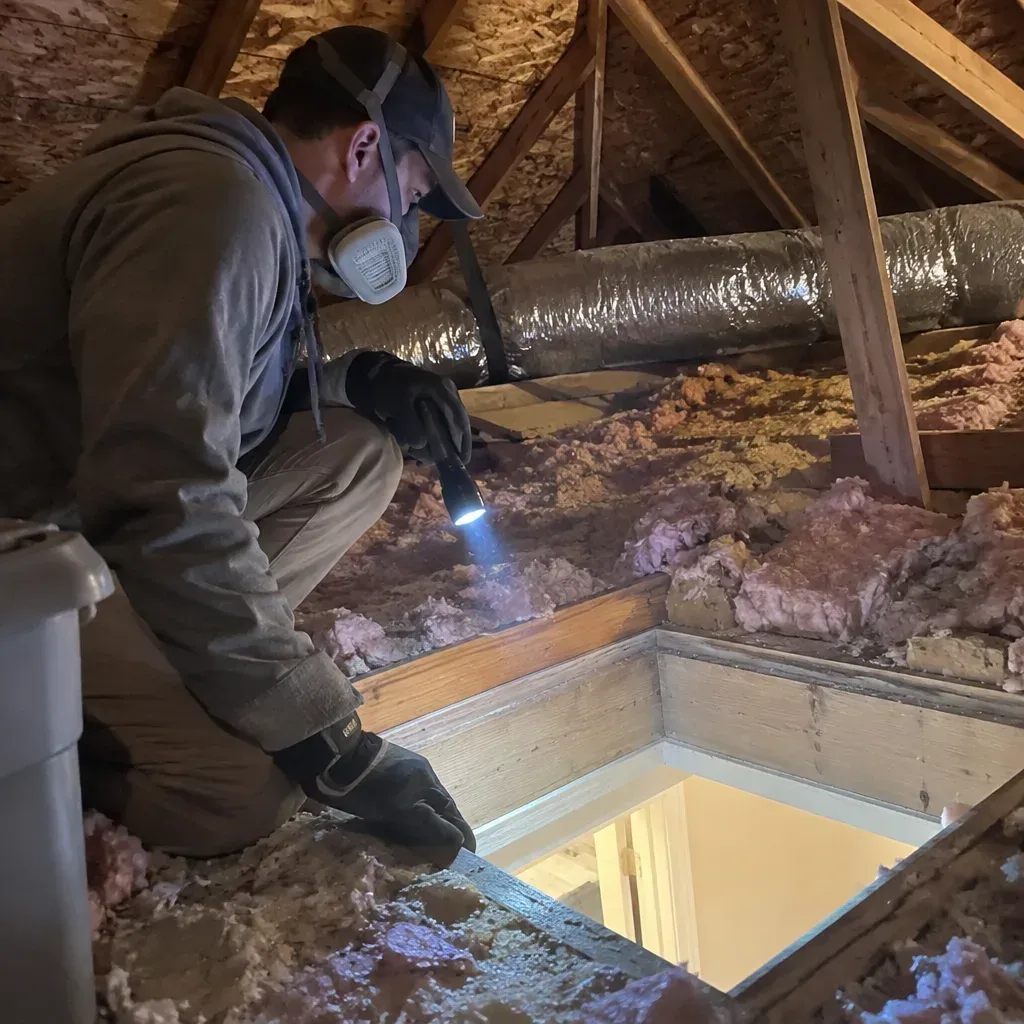
How Many Mice?
One mouse does not reveal how many may be nearby. Learn how recurring sounds, droppings, food access, and hidden shelter add context—and when an inspection may help.
Read article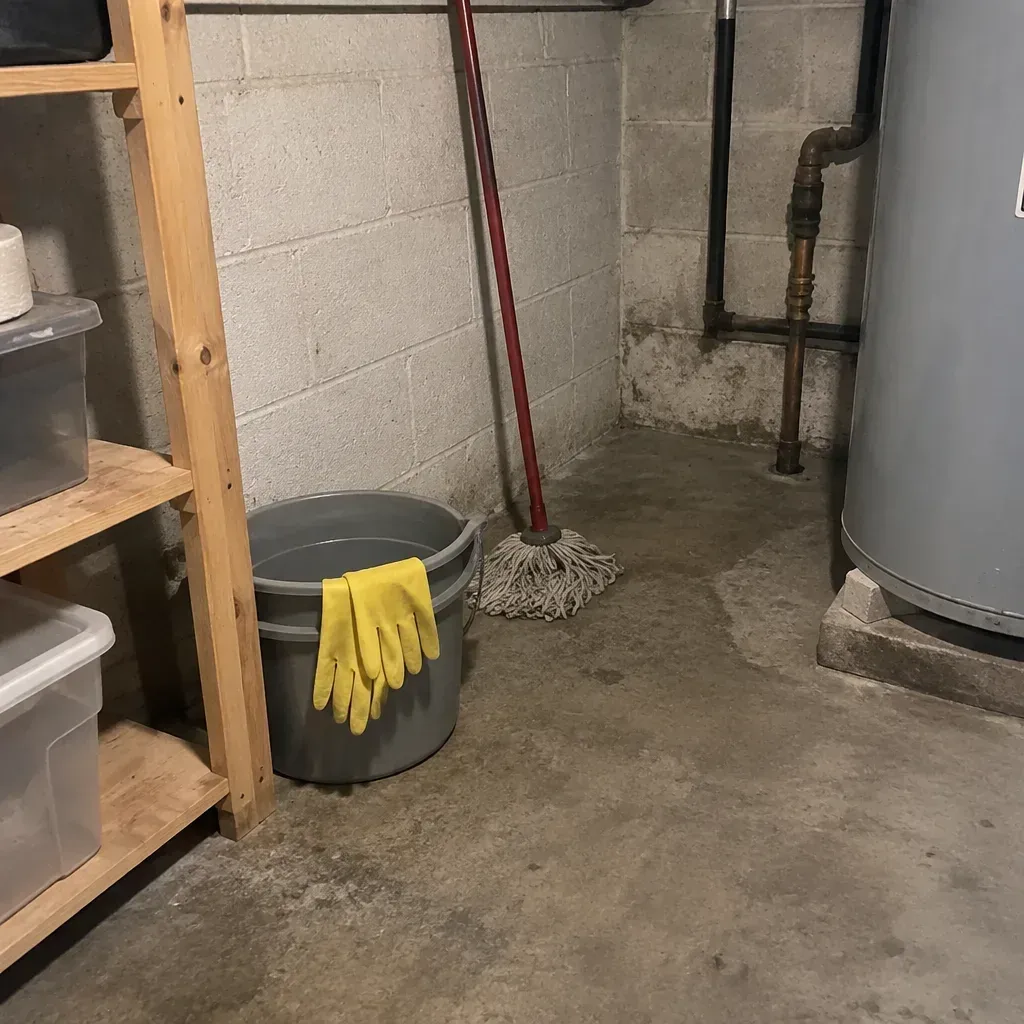
Inspection links the signs you notice with possible access and practical next steps.
A sound behind a kitchen wall, torn food packaging, or dark marks beside a baseboard can make you wonder whether rodents are moving through your home. In the United States, houses range from ranches and split-levels to homes on subdivision lots, and each layout can hide a different route. A sign in a pantry may connect to a gap near a pipe or door, while stored items can conceal evidence. The inspection follows those clues to understand where activity may be occurring.
Inspection cost depends on how many rooms need review, whether stored belongings limit access, and whether the requested service includes control or later checks. Droppings or gnaw marks along a wall can offer clues beyond the sounds and food disturbances you notice. A technician builds the assessment around affected areas and accessible spaces. Dedicated location pages describe their coverage; requests beyond them use the same referral process.
Termite activity can stay hidden behind walls, so small changes in wood or paint may be useful signs to watch for around the home.
Household decision-makers can find residential guidance through residential rodent control. Those arranging control for rentals or business locations should turn to commercial rodent control.
A technician looks at the condition and placement of droppings, gnawed surfaces, nesting scraps, and disturbed food packages. A cluster beside stored food may point to a different travel area than scattered traces in a garage or utility space. Sounds can add context, but they rarely pinpoint an animal on their own. By comparing several observations, the inspector can assess whether rat activity or mouse activity is plausible and which parts of the home merit closer attention.
A clue inside does not necessarily mark the place rodents entered. The technician may trace accessible edges between the sign and possible mouse entry points, checking around utility penetrations, door bottoms, and foundation transitions. Small gaps can matter, while a blocked area may prevent a clear view of the route. The inspection can record what was visible and identify areas that need access before a control plan is settled.
Nesting scraps tucked into a quiet corner can suggest that rodents have settled near that spot, while sounds may point to activity beyond the area you can see. A technician can record the condition and position of these clues, then compare them with droppings or gnaw marks elsewhere in the home. That pattern helps distinguish a single sign from evidence of movement through connected areas and gives the inspection a clearer starting point for checking accessible routes.
You describe the signs, affected rooms, timing, and any access or household safety concerns so the technician can plan the visit around them.
The technician compares visible droppings, gnawing, nesting traces, and sounds to judge which signs may belong to the same activity route.
Reachable door edges, utility openings, and foundation transitions are reviewed for gaps that could connect an exterior route to indoor signs.
The technician explains control options supported by the inspection and whether the provider offers later checks to review activity or device condition.
A ranch may offer long, low exterior edges, while a split-level can have separate foundation transitions and utility routes. On subdivision lots, attached garages, storage areas, and shared boundaries may shape which edges are reachable during a visit. The layout affects how a technician follows signs and where access gaps might be visible. Sharing a simple description of your house helps set expectations for the inspection and any later monitoring.
Before baiting is considered, ask how any product would be used and what precautions apply in your home. Ask whether the proposed approach accounts for household routines and how the product would be applied. A technician should account for household conditions when discussing options. If bait is not suitable for the location, the inspection findings can still guide other control measures or identify questions that need to be resolved before service proceeds.
What can be inspected depends partly on access. A packed closet, locked room, crawlspace obstruction, or weather covering an exterior edge may leave a suspected route unconfirmed during the visit. You can point out those limits when arranging the appointment and ask whether another check is needed. The resulting notes should distinguish what the technician observed from areas that could not be reached, so recommendations reflect the available evidence.
Treat Rodent Inspection figures in the United States as estimates; confirm the inspection visit charge with the pros we connect you with, then get included tasks documented.
| Observed Movement | Onsite Work | Projected Spend |
|---|---|---|
| One Room | Inspection of reported rodent clues and possible openings; excludes devices, sealing, and return monitoring. | an estimated $80–$175 |
| Room Pair | Assess signs, place chosen traps or bait, and seal agreed openings; return checks are excluded. | an estimated $90–$230 |
| Room Group | Review rodent evidence, apply agreed bait or traps, and check results; gap sealing is excluded. | an estimated $80–$175 |
| Building Reach | Inspection with agreed baiting or trapping and gap closure; later activity checks occur only if included. | an estimated $190–$700 |
Property size can shape how much ground needs inspection and how many control devices require attention. If the plan also closes access routes or includes later reviews, those tasks add to its scope. The pricing guide lays out the services that can affect your total.
Note any droppings or gnaw marks before cleaning so you can describe where you found them. The technician can assess accessible areas for rat or mouse evidence and possible access, then use the findings to recommend trapping or baiting, exclusion, or monitoring where offered. Cost depends partly on which spaces need review and what the service includes. Share any access limits or safety concerns when arranging the visit.
Seeing a rodent confirms it was in that spot at that time, but the animal may have traveled through another room or entered elsewhere. Note the location and timing, then point out nearby food storage, wall edges, or doors. A repeated sighting in the same area may add context, even if other signs are not visible.
The amount depends on what the service includes. An inspection visit may be priced differently from a plan that also provides traps or bait stations and return checks. Ask whether the estimate covers only the assessment or includes control work, device checks, and monitoring. Ask how the inspection findings will guide any control work or monitoring.
The findings can identify where signs were seen, which likely routes were accessible, and what areas remain uncertain. Some recommendations may address access to food, water, or shelter around the affected area. Ask what follow-up monitoring is offered and what later checks would assess, since timing and device checks depend on the service plan.
Before the appointment, list the affected rooms, when you noticed signs, and any places the technician cannot enter. Move only what you can safely move from areas you want checked, and mention children, pets, or household access concerns in advance. The visit length depends on the layout, the number of reachable areas, and how much of the suspected route can be examined.
If monitoring is included, the provider can explain how observations or device activity will inform the next steps. Ask whether exclusion is part of the service plan if you want to address possible openings. Those steps support control but do not close a rodent's way inside. The timing and scope of later checks depend on the service plan.
The extent of the affected area can also influence how much service the site may need. Device placement and the checks needed during service can shape the work; the pros we connect you with confirm the figure after assessing the site.
Sealed food containers limit accessible scraps, though sanitation alone cannot close openings.
One mouse does not reveal how many may be nearby. Learn how recurring sounds, droppings, food access, and hidden shelter add context—and when an inspection may help.
Read article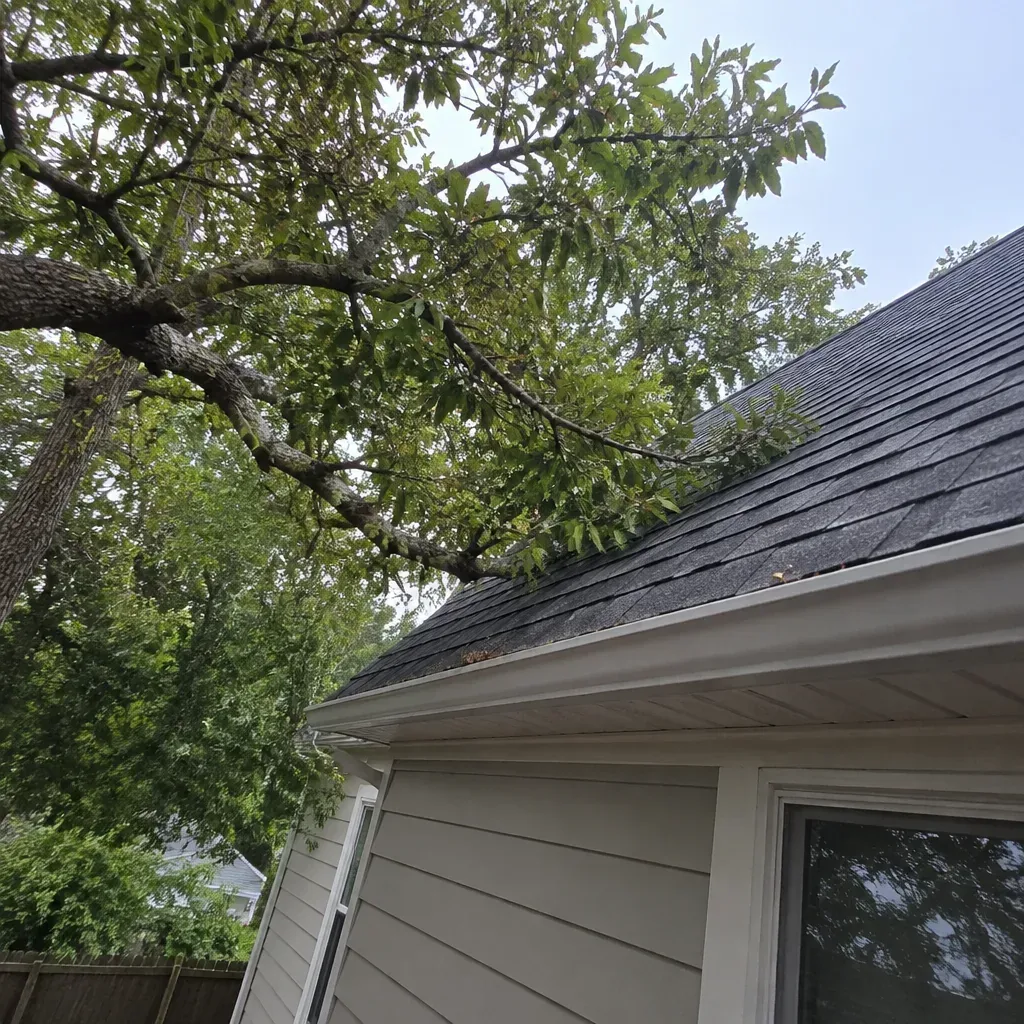
A shed can hide rodent activity among stored supplies. Follow an ordered check for signs, food, clutter, and possible access, then learn when an inspection may help.
Read article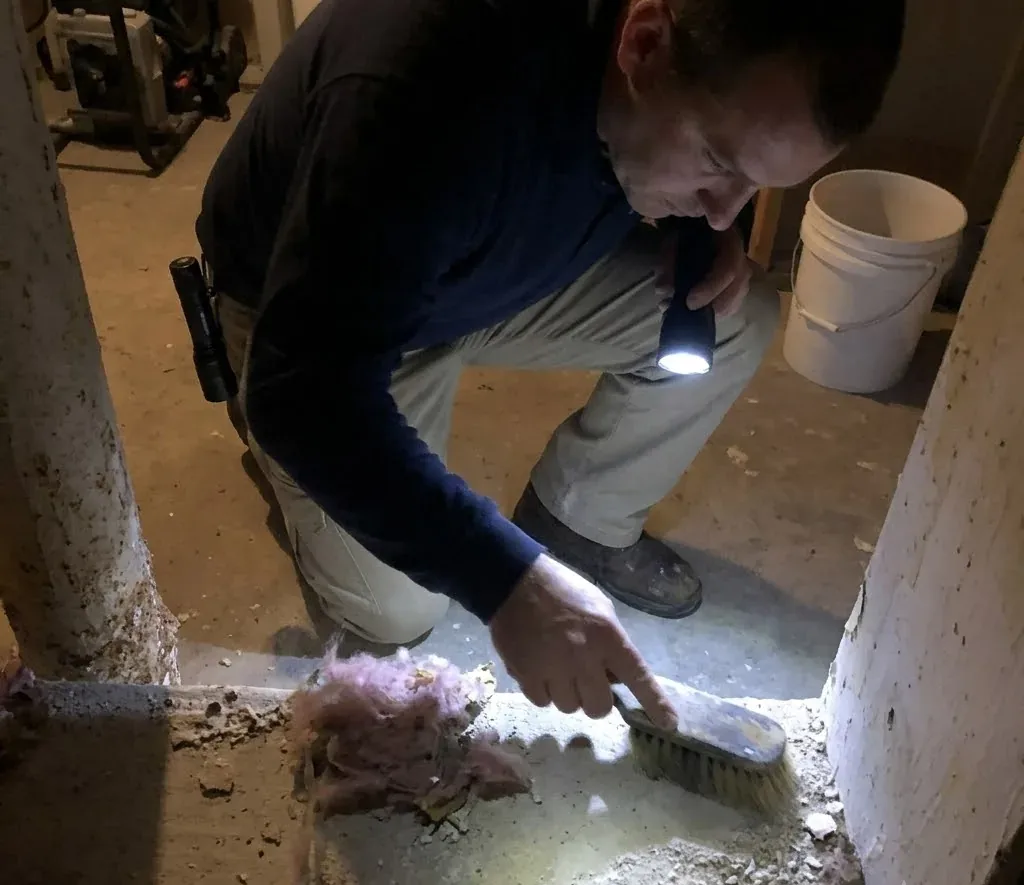
Find signs of rats or mice in your basement? Use this ordered checklist to observe clues, keep people clear, check access points, and decide when to request an inspection.
Read articleNearby Areas pages identify locations with their own pages. For a place without one, the request can still go through the same referral, though availability must be checked for the specific address. When you call, mention whether the concern is inside a home, garage, or another building area. Ask when an inspection could take place, whether there is a visit charge, what work the provider would include, and whether any warranty terms apply. Those details can vary by provider.
Call (866) 583-0187