Availability varies — call to confirm. · (866) 583-0187
Rodent Gnawing Damage in the United States
Marks on materials

National Guidance for Rodent Gnawing Damage

Seasonal weather can change how accessible or visible exterior surfaces are, while indoor marks may remain in view. When checking property damage, note whether a mark is new or newly visible; an inspection can assess it with nearby signs and conditions.

ACTIVITY PATTERNS

Rodent control can examine bitten materials, assess possible hazards from wiring or loose fragments, and use damage patterns to guide an inspection of nearby structure. Keep away from suspect areas and note each mark’s location for the professional. Repairs can be planned after the affected material and rodent activity are assessed.

RODENT EVIDENCE

Interpreting an Isolated Rodent Sighting

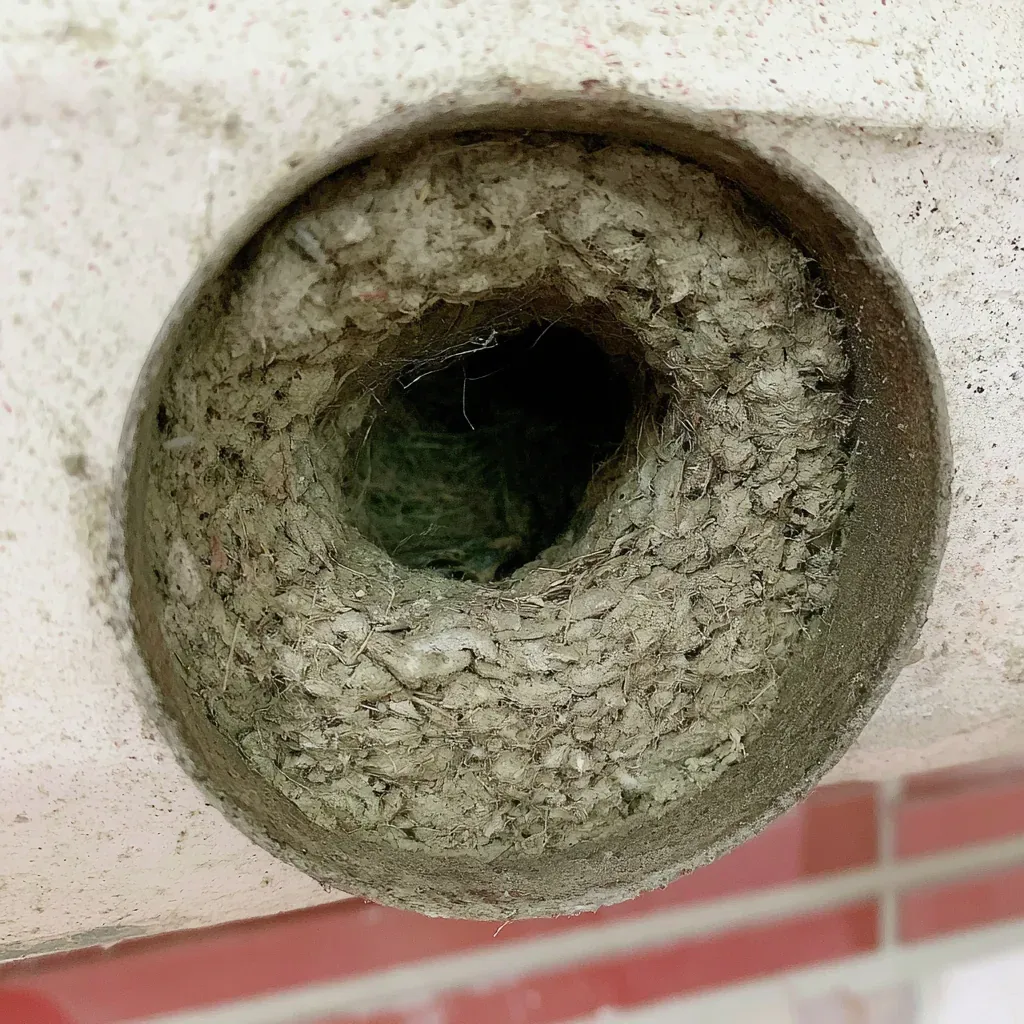
A gap around a pipe can make you wonder how rodents may be entering and what else needs attention.

Fresh paired grooves interrupt a painted baseboard edge

Wood with a splintered, uneven edge and missing bits may have been chewed, particularly along a surface rodents can reach. Wear or impact can also remove material. Small wood chips beneath a damaged edge can provide another clue when assessing possible gnawing.

Exposed copper glints through a nicked appliance cord

A pair of narrow grooves in a wooden or plastic surface may be tooth marks, though scratches from tools or household items can look similar. Their direction and spacing offer context, not proof. Photograph the marks and note the surface so an inspector can consider them alongside damage nearby.

Insulation fibers hang from a chewed attic joist

Missing or chipped material at the rim of a pipe or utility opening may indicate chewing at a boundary between spaces. The mark can make the opening worth assessing, but does not show what is beyond it. Record its location and leave any loose or unsafe material untouched for inspection.

A puncture mars the flexible dishwasher hose

Insulation that looks torn, compressed, or shifted can accompany movement through a concealed area, but the appearance alone cannot establish a cause. Pulling it apart may expose wiring or release dust. Keep clear, record where it is visible, and have the area assessed before any repair.

Paper facing peels from a damaged wall cavity

Repeated small chips along trim may reflect chewing at a reachable edge; a single nick can result from routine contact. The location and pattern matter. Note whether the marks cluster near a damaged opening or another affected surface, then include that detail in an inspection request.

Household Food Can Keep Rodents Nearby

Across the United States, ranches, split-levels, and other house layouts expose different trim, utility edges, and concealed spaces. The materials around utility openings can affect how easily rodents reach protected spaces.

Location pages cover Arizona, Arkansas, California, Colorado, Connecticut, Delaware, the District of Columbia, and Alabama; elsewhere, visitors reach pros through the shared referral. Ranches and split-level homes place trim and utility runs differently, so the materials showing gnaw damage and where it appears can vary from house to house.

This site has pages for some cities and counties, with other locations reached through the same referral. When you contact us, give the property location so the pros we connect you with can consider the request in context.

What Shapes Service Scope

TOOTH GROOVES
Uneven edges with missing material can be consistent with chewing, though the surface and surrounding pattern help provide context.
ELECTRICAL HAZARD
Paired grooves may fit tooth contact, but marks on their own cannot establish what caused them.
TRAVEL CLUES
Damage around a utility opening can direct attention to the adjoining area during an inspection.
DAMAGE REVIEW
Displaced insulation can conceal damage; leave it undisturbed until the area is assessed.
REPAIR NEEDS
A dated photo can help you compare a marked surface with its condition at a later inspection.
NESTING MATERIAL
Seasonal weather can change how accessible or visible exterior surfaces are, while indoor marks may remain in view. When checking property damage, note whether a mark is new or newly visible; an inspection can assess it with nearby signs and conditions.
FOLLOW-UP NEEDS
an estimated $80–$175

Noise in Walls Has Other Sources

Surface scrapes can leave marks that resemble gnawing. Scraping often follows a broader contact path, while chewing may remove material in uneven spots or leave narrow grooves. Compare the edge and pattern across the whole affected area. Chewing may leave small areas of missing material or narrow grooves, while a scrape tends to follow a contact path. Record the surface and surrounding marks; no single shape confirms rodents were responsible.

Closing Routes Into the Building

The pros we connect you with can document the damaged surfaces, assess their material and extent, and inspect nearby accessible areas for related signs. They may note possible travel routes and openings linked to the affected locations. This review helps separate visible repair needs from signs that call for rodent control.

The inspection begins with the depth and edges of each bite, including whether a cable jacket, pipe covering, or trim has been compromised. The professional then checks adjacent surfaces for a travel direction and reviews reachable gaps tied to that area. After activity is addressed, damaged components can be repaired or replaced as needed.

A contained route may be addressed in one appointment when the access point is found and the agreed work can be completed there. If signs turn up in separate areas or devices need later attention, ask what each return visit would assess before choosing a continuing plan.

COMPARING A PROPERTY REVIEW WITH CONTINUED ACTIVITY RECORDS
Treatment Approach Control Options
A contained rodent concern at onsetPrevention advice
Rodent movement persists after controlTreatment options
Several openings with recurring rodent evidenceEntry routes sealed; stations reviewed

Choose Device Locations With Care

Use a flashlight to check visible surfaces for small openings or fresh debris without taking trim apart. Avoid reaching into wall or ceiling cavities, moving damaged wiring, or disturbing loose material. If a cable appears damaged, keep clear and arrange an electrical assessment. Leave inspection and control decisions to a pest professional.

How Follow-Up Guides Further Action

Gnawed cable coverings can leave live electrical parts exposed, and damaged or displaced material may create other hazards. Do not touch, move, or cover a suspect cable or pull apart affected insulation. Damage may extend beyond the spot where the outer covering first appears split. If wiring appears exposed, contact a qualified electrical professional to assess it before the area is disturbed.

Check Which Tasks Affect the Total

Ask what preparation may be needed and whether you will need to leave the property during any part of the service.Your guide estimate reflects the inspection and control work anticipated from available details; added sealing or later checks are outside it unless included. What you pay depends on the findings and agreed scope. In ranch, split-level, or subdivision homes, signs and access can shape that work. The pros we connect you with can confirm any visit charge and the precise tasks covered when you call.pricing guide lays out each price band; Rodent Inspection explains how rodent-control work may be approached.
SERVICE PLANNING

Rodent Product Labels and Use

Rodent Droppings

Dropping Safety Guide. Keep people and pets away from suspected rodent droppings, and do…

Common Questions

Rodent Control Guide

What details can affect a rodent inspection of gnaw marks?

An inspection can document signs of rodent activity alongside damaged areas, helping distinguish suspected chewing from unrelated wear. In a ranch or split-level, marks in an open room may be simpler to assess than damage tucked behind fixed finishes. Keep a record of each location and any safety concern so the inspection can focus on the affected surfaces and nearby accessible areas.

What can rodent control assess after I find chewing damage?

Rodent control can document where gnawing appears, examine accessible surfaces nearby, and look for other signs that help assess activity and possible routes. If the marks are on wiring or unsafe material, stay clear and identify the location without disturbing it. The pros we connect you with can use the inspection findings to explain control steps and what repairs may need attention afterward.

Do paired grooves in a surface confirm rodent chewing?

A jagged edge or paired grooves can fit chewing, but a mark by itself cannot confirm its cause. Note the material, room, and position, then compare the area with nearby surfaces without pulling anything apart. An inspection can consider the pattern alongside other signs and accessible spaces, helping distinguish likely rodent damage from ordinary wear before repair decisions are made.

What areas may be checked near gnaw marks?

A rodent inspection quote can vary with the number of damaged spots and how easy they are to reach. The pros we connect you with can assess whether a cable covering, trim piece, or other material has been bitten through, then describe which repairs fall within the control visit. Avoid handling suspect wiring or loose fragments, and save a photo of each location to help define the work.

Rodent Assistance

Not sure how far the rodent activity has spread?

Call the pros we connect you with and ask whether the visit has a charge before you set a date. After they assess the property, request a written account of what they found and the work they propose, including any steps to close rodent access points.

Call (866) 583-0187
Before choosing an appointment, ask about openings, visit fees, and the service details in writing.
Call (866) 583-0187 Schedule Online