What One Mouse Can Show
Rodent control costs depend on the activity and the steps a home may need; one mouse cannot tell you either. Available shelter can influence whether mice linger near a home. The sections below explain why a glimpse is an incomplete count, which signs add context, how food and shelter can shape activity, and when a closer assessment may help you decide what to do next.
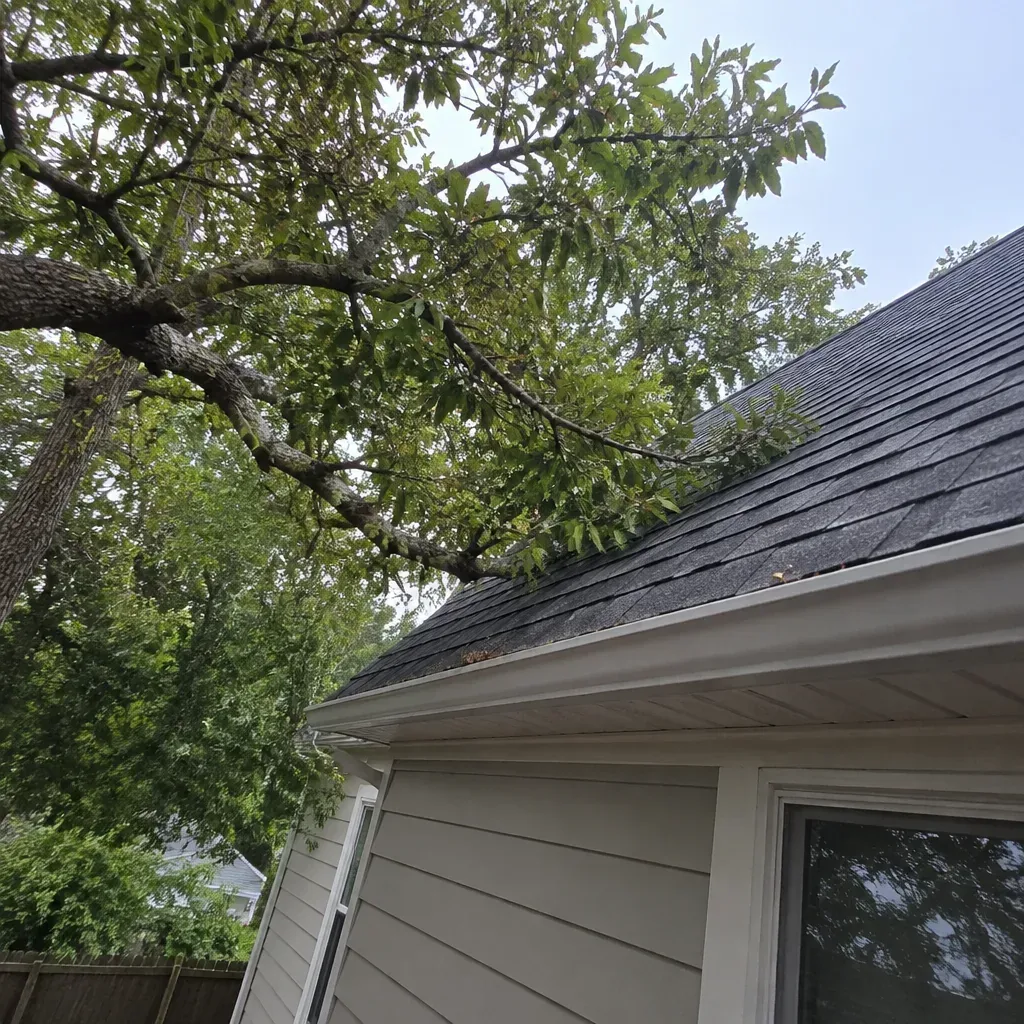
A mouse may appear in a room far from the place it entered, so its location offers only part of the picture. Small openings near a pipe, door, or foundation can provide access, while walls and closed storage areas can conceal where an animal travels. In a subdivision home, a mouse spotted near the garage does not show whether it stays there or moves farther inside. You can note the room and time of a sighting, then watch whether other clues appear along a route.
Signs That Add More Context
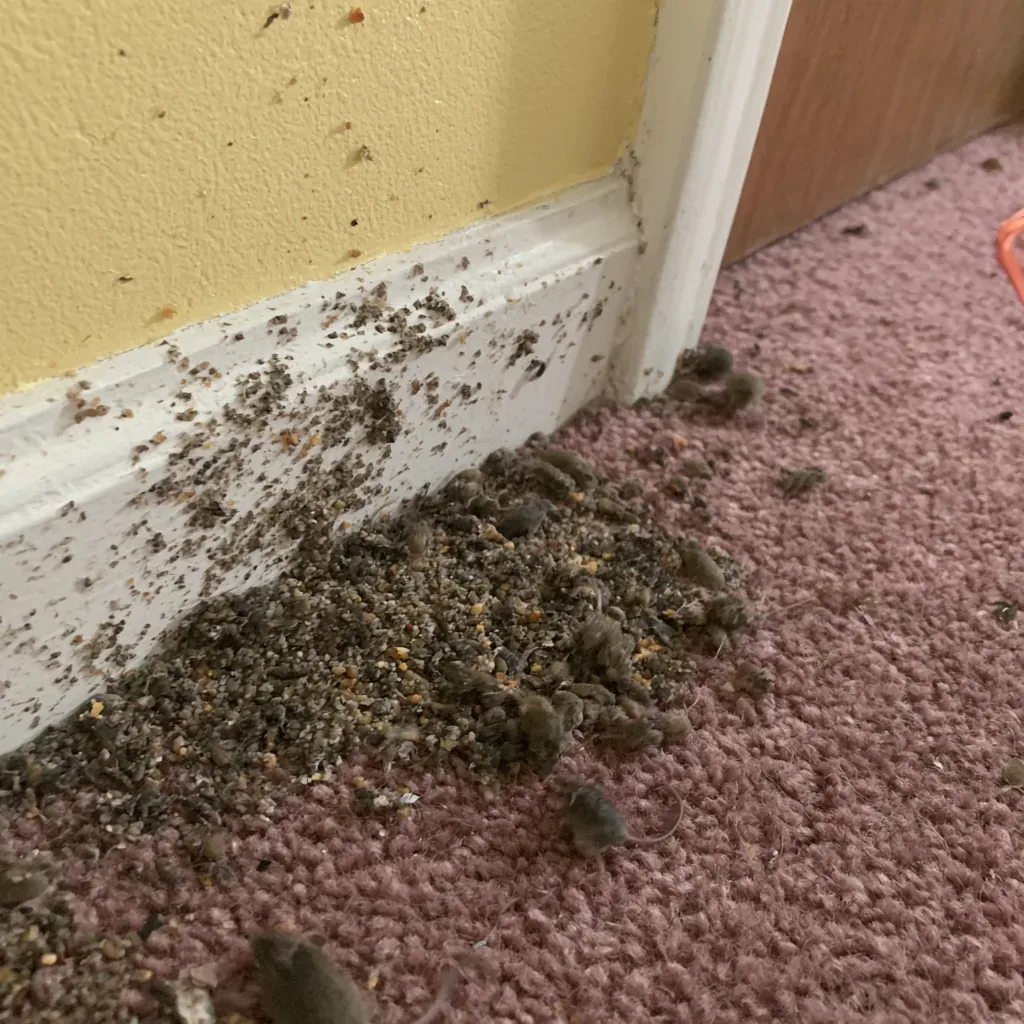
Look for evidence that remains after the mouse is gone. Droppings near stored goods, chewed packaging, or scraps gathered into a tucked-away space can suggest activity beyond the brief encounter. The condition of packaging can show which stored goods may need closer attention. Notice where each sign appears and whether you find fresh evidence nearby. Several kinds of clues in different areas give a clearer reason to consider an inspection than one isolated trace.
Sounds can add another kind of evidence, especially when scratching or quick movement seems to return from the same wall, ceiling, or cabinet area. A single noise can have another explanation, so pay attention to whether it recurs and whether visible signs appear close by. You might also notice new damage around food storage or a change in where activity is heard. A pattern across locations is more informative than trying to infer a hidden mouse count from one sound.
Food and Shelter Shape Activity
Food that remains easy to reach can make a kitchen or pantry worth watching for repeated activity. Check whether packages have been disturbed, crumbs collect beneath counters, or pet food sits out between meals. In a ranch home, signs near the pantry may be separate from a sighting near an exterior door; in a split-level, clues may appear on another floor. Sealed food storage and removing accessible crumbs can reduce food sources, though those habits do not show whether mice already travel elsewhere.
Shelter can make signs harder to notice because quiet storage spaces leave room for movement out of view. Closely stacked boxes, paper piles, and seldom-opened cabinets may conceal scraps or other evidence, particularly in a garage or basement. You do not need to assume that every crowded shelf contains mice; instead, note whether signs recur around the same stored items or appear in another tucked-away area. Food access and hidden cover can help explain why activity persists without proving how many animals are present.
When an Inspection May Help
One mouse in view tells you that a mouse reached that room; it does not tell you how many remain out of sight. Droppings near food, gnaw marks, nesting material, or sounds in another part of the home add context because they can point to activity beyond the moment you saw it. A mouse infestation is better judged from the pattern of clues than from one glimpse. A mouse can pass through an entry point without being seen, leaving the room as the only visible clue.
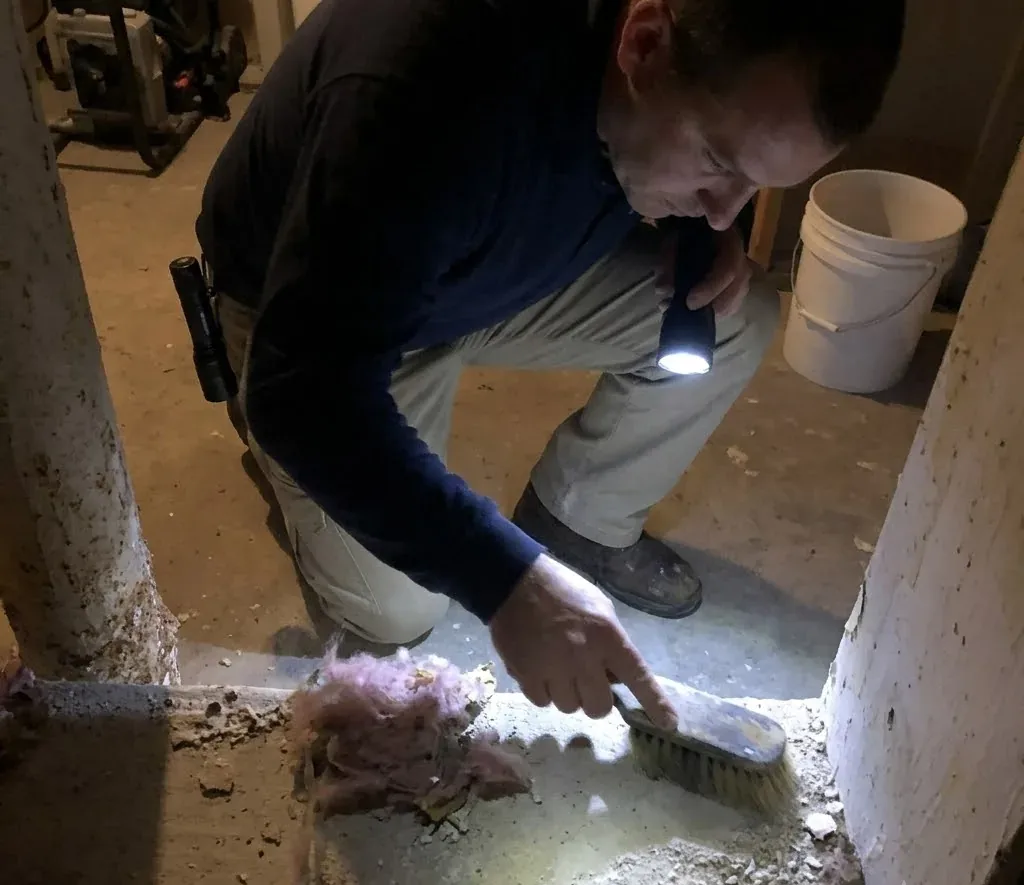
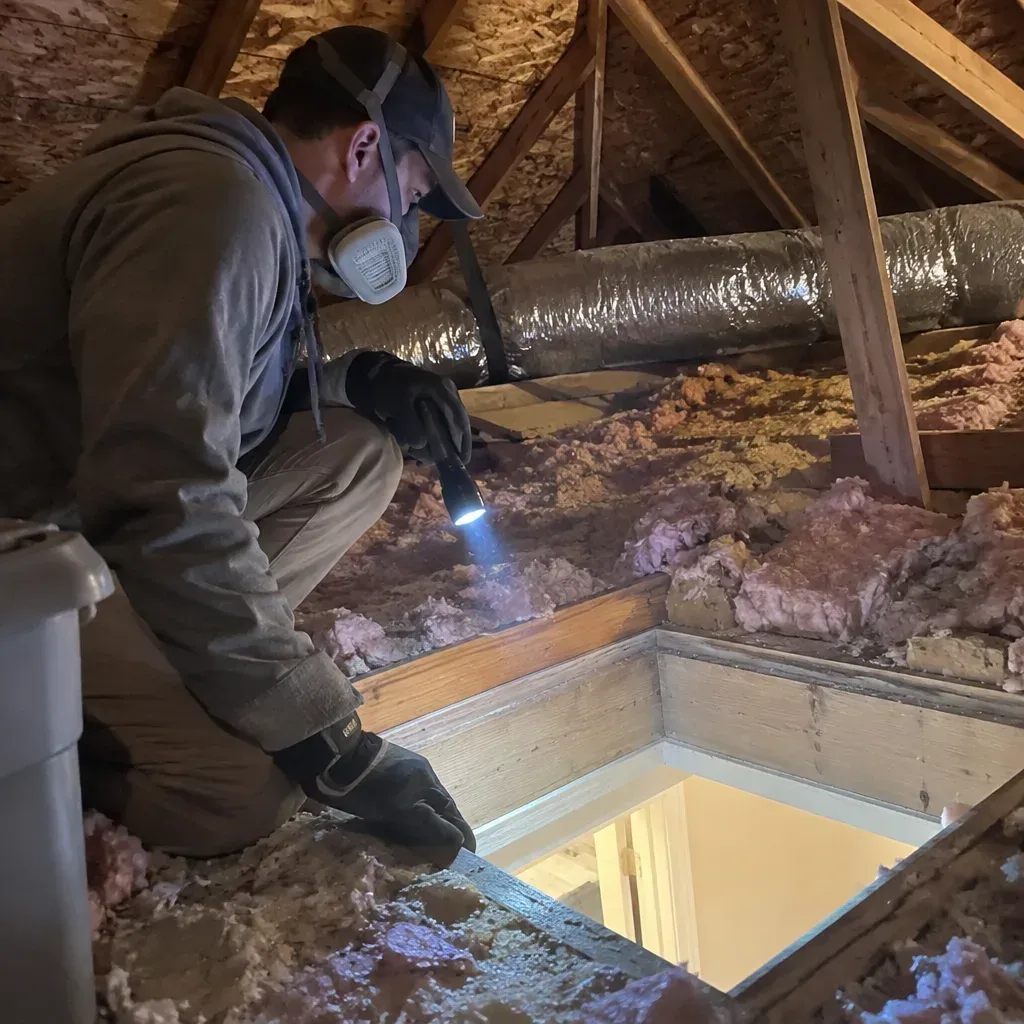
Mice can enter through small openings around doors, pipes, or vents. In a ranch, you might notice droppings beside stored food, while a split-level may have clues in separate rooms. Fresh droppings, gnaw marks, scratching sounds, or nesting material can suggest activity beyond the sighting, but each clue needs context. Sealed food and fewer crumbs can reduce easy feeding. If evidence appears in several places or sightings continue, an inspection can help assess whether there is a mouse infestation.
Dealing with rodent activity in your home?
Your inspection cost starts with the scope of the visit; $80–$175 displays the current band. Describe what prompted your request so the licensed pros we connect you with can discuss the visit’s scope. Locations with their own pages are described separately; requests from other places use the same referral. Ask the pros we connect you with whether they serve your address, what the visit includes, when an appointment is available, and what charges apply.