Look for Signs Before Moving Items
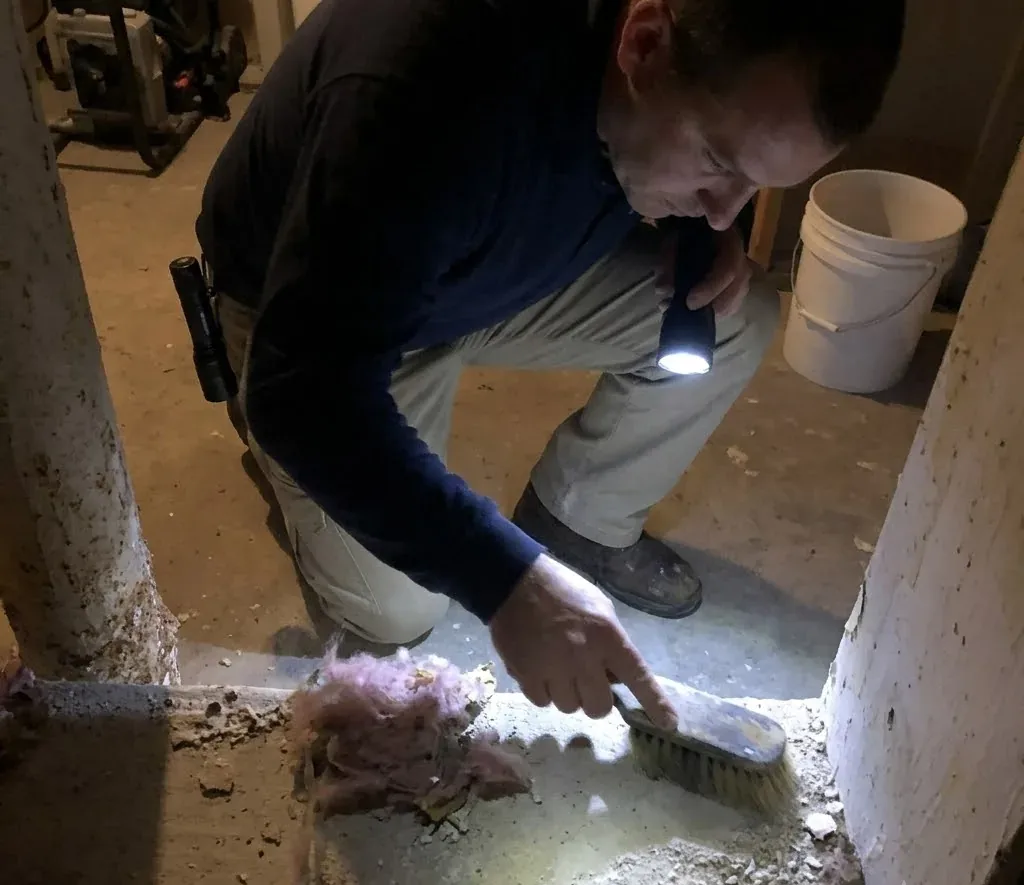
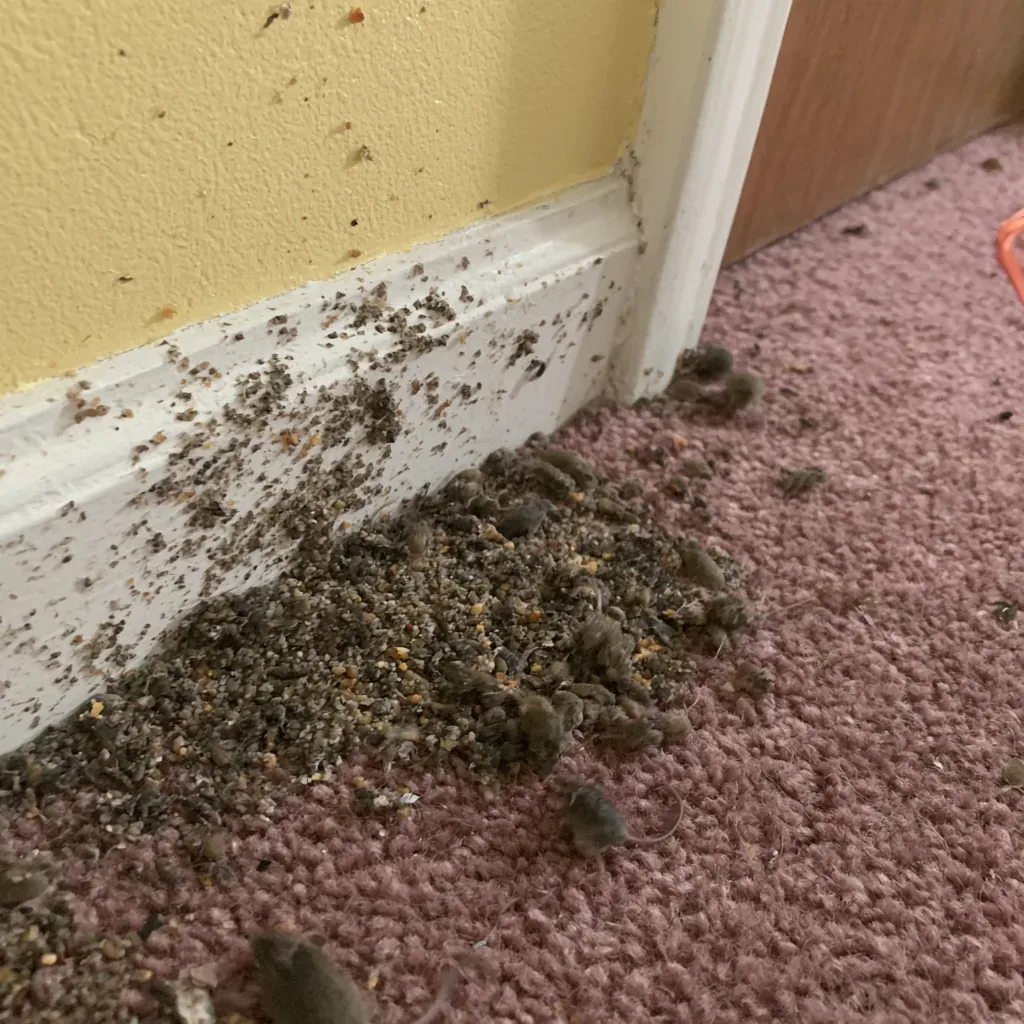
A shed may provide shelter when stored materials create quiet, undisturbed spaces. Start by scanning the floor and wall edges before shifting stored items. Look for droppings, chewed surfaces, bits of nesting material, or sounds from inside the structure. Accessible food can draw rodents toward stored items and make activity more likely. Record what you notice so an inspection can focus on the areas that appear active.
Pay attention to whether signs appear on stored items as well as the shed itself. A single mark may be old or unrelated, while repeated signs in a particular area can help show where rodents are moving. Listen near walls and stored objects for sounds, but avoid disturbing suspected nesting areas just to investigate. A simple location note gives you a useful starting point for the next checks.
Check Supplies and Stored Materials
Check the shed for food or water that rodents can reach. Grass seed, birdseed, and pet supplies can be attractive if bags are torn or left open; crumbs and a dripping container can also remain available. Move edible supplies into sealed containers and clear away spilled material. Look for moisture around stored items as you do this. Removing these resources can make the shed less useful to rodents, though it does not reveal or close their access route.
Next, see whether stored goods prevent you from inspecting the floor and lower walls. Shift items enough to create a clear view, and note any damaged packaging or nesting scraps as you go. Cardboard, fabric, and piled materials can conceal fresh signs, so keep storage orderly and leave visible space around the shed's edges. This makes later checks easier and helps distinguish a quiet area from one where activity may be continuing.
Note Possible Openings Inside
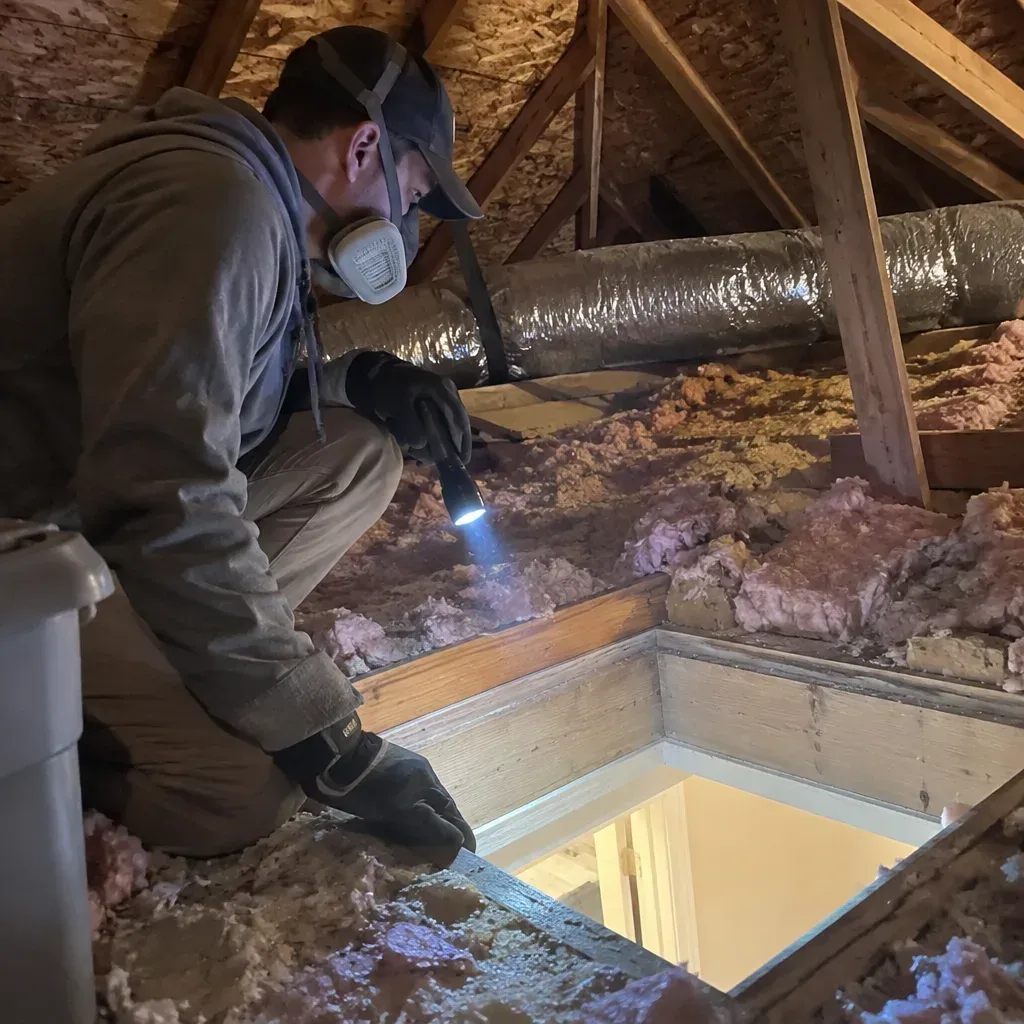
With the interior visible, look along door edges, around pipes, and where the walls meet the floor for possible openings. A narrow seam may be easier to notice by checking for light around its edges. Note each location without taking on a sealing project; the purpose here is to identify places an inspection may need to assess. This check adds context to any droppings or chewing you found inside.
Compare what you see across the shed: fresh-looking droppings, newly damaged packaging, or recurring sounds can suggest that activity is ongoing. If signs continue after accessible food is secured and clutter is reduced, consider arranging an inspection. Tell the pros we connect you with which areas showed evidence and what changed after your checks. Ask what signs to watch for afterward so you can tell whether activity returns.
Record Changes and Recheck Activity
Cost can reflect how much shed storage needs moving and how many signs need review. Check in order: scan stored goods for droppings or gnawing, note nesting scraps or sounds, then clear clutter and store food in sealed containers. For mice in a shed, these clues help you describe activity; an inspection can assess signs and possible gaps. If activity continues, ask the pros we connect you with to inspect and explain device checks. Because mice often follow edges, include the shed’s wall lines and corners when looking for tracks or other signs of activity.
Keep your original notes and compare them with what you observe after service. New signs in a previously quiet spot, or continuing evidence near a device, may be useful to report when monitoring is due; timing depends on the service plan. If cleaning droppings or urine, avoid stirring up dust in the affected area. This final check helps you and the provider judge whether activity appears to persist and whether the plan needs attention.
Dealing with rodent activity in your home?
Your inspection cost starts with the scope of the visit; $80–$175 displays the current band. Describe what prompted your request so the licensed pros we connect you with can discuss the visit’s scope. Locations with their own pages are described separately; requests from other places use the same referral. Ask the pros we connect you with whether they serve your address, what the visit includes, when an appointment is available, and what charges apply.