Restaurant Rodent Control
Restaurant Rodent Control
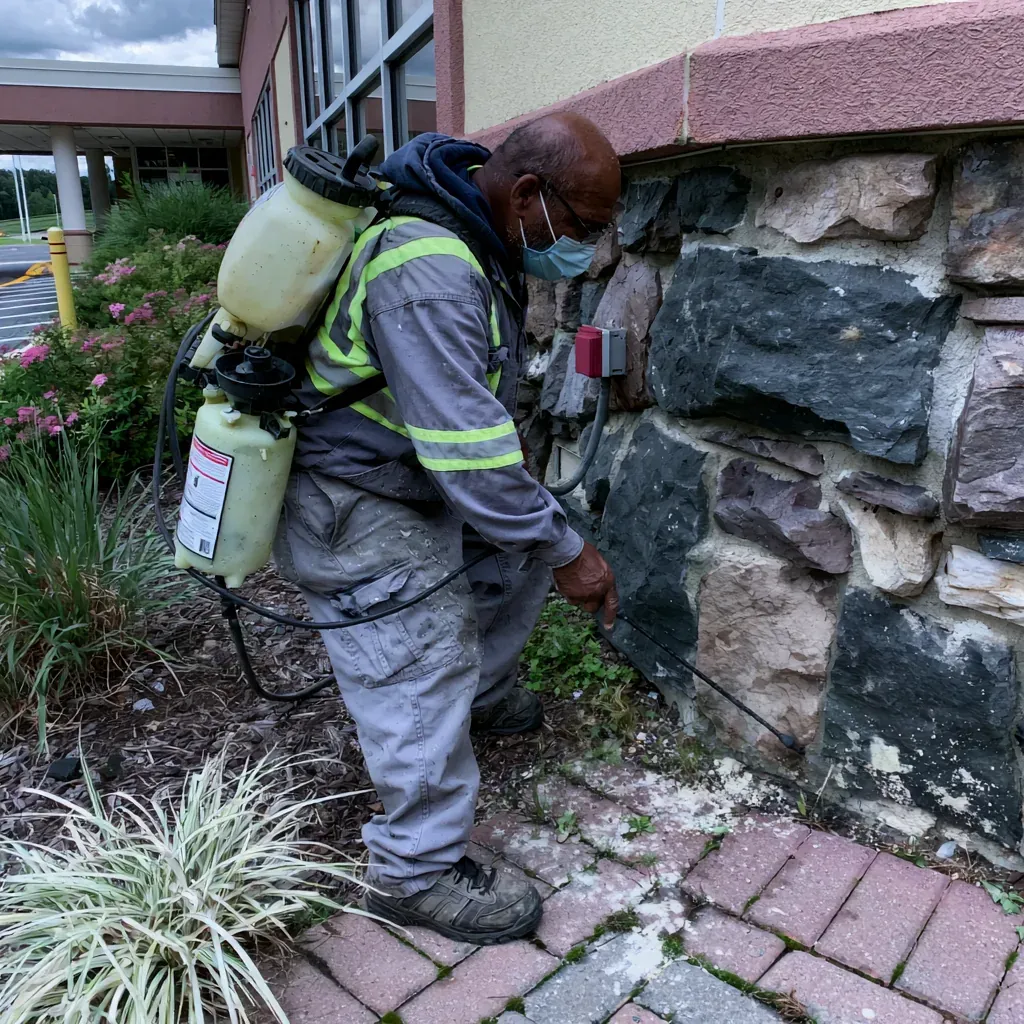
Organize apartment and shared-area reports, coordinate access, and keep service follow-up tied to each building.
Keep dated rodent reports organized by apartment and shared area, then arrange an assessment with access and building schedules in mind. Track provider notes, outstanding repairs, and follow-up by property so staff can coordinate the next steps.
A rodent inspection for an apartment building can cost more when the requested scope spans many units, several shared areas, or difficult access arrangements. Operating limits may also affect how the work is scheduled. Start by gathering reports into one dated log, then arrange an assessment that accounts for how the property runs. The rest of this page explains how to organize those reports, coordinate access, and keep repairs and follow-up from getting lost between apartments or staff handoffs.
A resident may describe a sound in a wall, a brief sighting, or a mark near stored belongings. Treat each report as a lead about a location and time, rather than a finding about the whole building. That distinction helps you communicate clearly while the concern is being assessed. Apartment rodent control works better as a coordinated property response when management can see which observations are reported, which have been assessed, and where more information is still needed.
Use a log that someone taking over the property can read without relying on old emails or memory. Give each entry a date, a unit or shared-area label, the reported observation, and its current status. Add the relevant service update when one becomes available. Keep wording factual and consistent, so a later reader can tell whether two reports concern the same place or separate areas. This record gives management a practical starting point for coordinating multifamily rodent control.
A report from an apartment can raise questions about nearby parts of the property, including hallways, laundry rooms, refuse areas, storage rooms, or basements. Include those spaces in the requested scope when they are relevant to the concern. The pros we connect you with need to know which areas management wants considered, and which are outside that request. Naming the spaces in advance can prevent a service visit from focusing only on the unit where someone first noticed a problem.
When reports appear in different parts of the building, compare their locations and dates before deciding what to address first. Several accounts near one service area may call for a different discussion than isolated reports on separate floors. A pattern in the log does not confirm its cause, but it can help you explain the concern and ask whether the proposed scope accounts for the locations involved. This is useful when mice in apartment buildings are reported by residents who do not share a unit.
| Reported area | Rodent sign | Date noted |
|---|---|---|
| Report date | When the concern reached management | Orders events for later comparison |
| Building area | Unit number or named common room | Places the concern within the property |
| Property identifier | Street address plus building or wing | Separates records across managed sites |
| Evidence reported | Droppings, gnawing, sounds, or damaged packages | Gives the assessment a useful starting point |
| Resident contact | Preferred notice channel and entry status | Helps coordinate communication before a visit |
| Operating limits | Quiet hours, deliveries, or refuse handling | Identifies timing constraints in shared spaces |
| Building work | Maintenance request for a door or pipe gap | Links a repair task to the reported area |
| Service status | Visit outcome, open task, and next check | Keeps follow-up visible across staff changes |
Access planning can determine which parts of a building are available during a visit. Note where resident notice is needed, which rooms require a key, and whether an escort or staff contact must be present. Share those conditions when arranging the assessment so the requested scope and practical access plan can be discussed together. If access cannot be arranged for a particular area, keep it visible as an unresolved item instead of treating the entire building as addressed.
After the assessment, ask for a written account that distinguishes areas considered from work completed and recommendations still awaiting action. That record helps when property staff change, a resident asks for an update, or management needs to assign a repair. Keep it with the building's service history and connect it to the related report. A clear written account gives you a reference for decisions without relying on a verbal summary passed from one person to another.
Choose a service window with the building's daily use in mind. Cleaning, deliveries, move-ins, or busy periods in shared rooms may affect when staff can provide entry or keep an area available. Tell the provider about relevant operating constraints before confirming the visit. This gives both sides a chance to discuss timing and access, and helps reduce avoidable interruptions for residents and property staff while the requested work is underway.
A visit may not reach every requested area if a unit is unavailable or a shared room is locked. Record which locations could not be entered and the reason, then ask how those gaps affect the agreed scope. This makes it easier to arrange the remaining access and understand what the service record does not cover. Do not read an unvisited area as a cleared area; keep it open for follow-up until its status is known.
Choose one building contact to receive reports, coordinate entry, and pass along service updates. That person can keep residents and property staff working from the same current information, while routing maintenance recommendations to whoever handles them. A named contact also gives the provider a clear person to reach when plans change. If responsibility shifts, update the log with the new contact so communication does not depend on someone else's inbox or memory.
Some properties include a room where food is prepared, stored, or served; others do not. If your building has one, explain how it is used and when it is occupied before service is scheduled. Those details can help the provider discuss appropriate access and precautions for that specific setting. For other buildings, share the operating constraints that actually apply rather than assuming every property has the same food handling or access needs.
If you oversee several addresses, keep each building's reports and service history tied to its own property record. A common format can make it easier for staff to update records consistently, while separate files help avoid mixing a unit concern or repair recommendation with another location. Track open items by address and assign them to the relevant property contact. A dated log of findings and follow-up can show whether recurring concerns have been reviewed during later service visits.
When a provider recommends a repair, make the recommendation actionable in the property's maintenance system. Record the affected location, the person responsible for the work, and whether it is pending or complete. Then link any later service update to that item. This helps management see whether a building condition raised during service has been addressed, and gives the next assessment a useful record of what changed since the earlier visit.
Begin with a dated account of what residents have reported, tied to the relevant unit or shared space. Use it to arrange an assessment that reflects the building's access needs and operating schedule, then keep the written findings with the property record. From there, track unavailable areas, assigned repairs, and planned follow-up as separate open items. That sequence gives you a practical way to manage activity across apartments without assuming one report represents the whole building.
Residents can describe the signs they noticed and when they appeared, giving the inspection a clearer starting point than a general complaint about rodent activity. Reports from several apartments may point to a shared concern, but each location still needs clear tracking. A dated log helps you see where signs were reported and what remains unresolved. The sections below focus on collecting useful reports, coordinating entry and building schedules, and keeping service notes and repair follow-up tied to the right property.
The linked locations have house rodent-control pages; elsewhere, droppings, gnaw marks, or sounds may be the first signs that lead you to ask about an inspection, includingBirmingham AL, Homewood AL and Anniston AL. For a home near the edge of a provider’s coverage, ask how distance and appointment type affect billing.
A warehouse quote can be shaped by how much floor space is included and the planned visit pattern. Dense shelving, stored inventory, and limited access may alter inspection and device work. Treat $80–$175 as a guide figure, then check which areas and monitoring tasks are listed.A commercial estimate may include sealing supplies for openings found during inspection, alongside the selected control measures. When you call, note any access limits and ask whether the inspection has a charge; request the proposed scope in writing.Commercial cost bands are listed at pricing guide; commercial overview explains how scheduled service is set up.
Restaurant Rodent Control
Multi-Site Warehouse Control
Commercial Offices
For each report, note the building, apartment or shared location, date received, and what the person observed. Keep the reporter's words separate from conclusions about the cause. If a photo is available, label it with the location and date. Similar reports in different areas may be related, but preserve their separate details so the provider can compare them during an assessment.
Map out which apartments and shared rooms may need entry, then coordinate a workable time window with the people who can provide access. Let residents know how scheduling updates will reach them and where to send new reports. Include locked rooms, service areas, and any building schedule that could affect entry, so the provider can plan the visit with the right contact.
File the service date, locations addressed, provider observations, and any recommended next steps with the building's records. Note repairs that remain open, who is handling each one, and when its status was last updated. Keep later reports as new entries rather than overwriting earlier notes; this gives staff a usable history when activity or maintenance concerns continue.
Tell the provider in advance if an affected area is used to store, prepare, or serve food. Follow the property's food safety procedures, secure exposed items, and coordinate the work period with the people responsible for that space. Ask what precautions apply to any products or devices used there, and keep the instructions with the service record for staff who manage the area.
Ask the pros we connect you with how service notes will identify repairs still awaiting attention, so follow-up can account for unresolved building conditions.
Call (866) 583-0187