Office Rodent Control
Commercial Offices
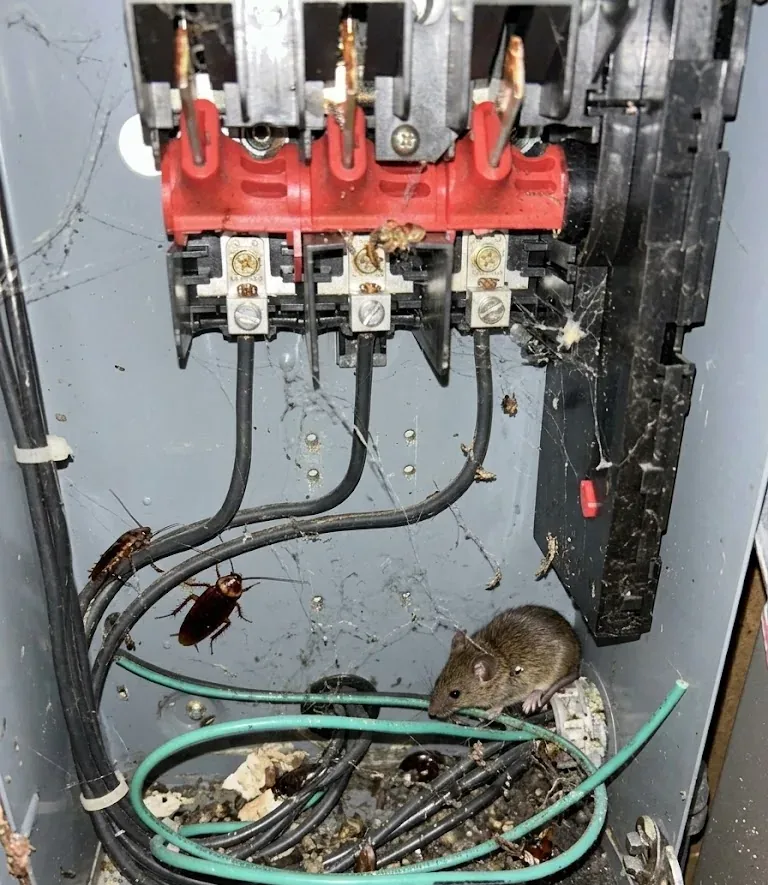
For warehouse assessments, the licensed pros we connect you with can review site conditions and discuss possible next steps.
Warehouse rodent control starts with checking loading areas, storage edges, and accessible perimeter openings for signs and possible routes. Map findings by site and zone, protect inventory under facility procedures, and use monitoring records to guide follow-up checks.
A rodent inspection’s cost can depend on the coordination needed to assess several warehouse addresses with different dock routines and inventory layouts. Start by mapping recent sightings, affected stock zones, receiving schedules, and access limits for each site. Droppings or gnaw marks can help show where rodent activity may overlap with stored goods or loading work. The pros we connect you with can use that map to plan checks around active areas and record findings in a way you can compare across locations.
A chewed sleeve, scattered droppings, or a sound behind stored goods can raise concern before anyone sees a rodent. These signs help focus an inspection, but they do not show on their own how far activity extends or which products may be affected. Note the exact zone and nearby inventory, then follow your warehouse process for reviewing questionable goods. A focused record gives the pros we connect you with a useful starting point without treating an unconfirmed report as a finding.
A dock with frequent freight movement presents a different inspection picture from a closed storage aisle. Open doors and shifting pallets can obscure signs or change what staff notice from shift to shift. Rodents in storage facilities may be reported near receiving, along shelving, or in less-used areas, so compare observations across the facility rather than relying on a single hotspot. A simple zone map can show where reports cluster and where a visit may need additional access.
A warehouse assessment can follow the route goods take from the exterior to storage. The pros we connect you with may examine dock thresholds, nearby perimeter openings, staging points, and the edges of stocked areas for signs of rats or mice. Small gaps can offer access, while droppings, gnawing, or nesting material can help indicate activity. Findings across these locations help define which zones need attention and what follow-up information the site should keep.
Staff reports are more useful when they separate what someone observed from what they think caused it. Ask employees to record the time, warehouse zone, visible sign, and nearby stock or packaging condition. A brief note that a pallet wrap was torn is easier to act on than a guess about how it happened. Use one reporting method across shifts so a supervisor can compare observations and share a consistent account during the site assessment.
| Warehouse area | Activity details | Assessment notes |
|---|---|---|
| Site roster | Facility names and internal identifiers | Links each assessment to the right operation |
| Activity map | Marked sightings and suspected travel areas | Directs attention to reported warehouse mice |
| Dock conditions | Receiving hours and door-use patterns | Helps time checks around active loading |
| Inventory exposure | Affected goods, packaging, and review status | Informs the facility's product-protection decisions |
| Storage arrangement | Rack layout and areas with limited visibility | Shows where stored stock may hide signs |
| Entry protocol | Approved access, escorts, and off-limit spaces | Helps arrange entry without disrupting site rules |
| Operating limits | Busy periods and areas unavailable during work | Helps fit checks around warehouse activity |
| Service history | Earlier observations and unresolved site actions | Keeps decisions aligned across locations and visits |
Inspection access affects how much of a warehouse can be reviewed in one visit. Tall stacks, parked lift equipment, or restricted aisles may prevent a clear view of floor edges and wall lines. Identify blocked areas before scheduling, then decide whether stock or equipment can be moved safely or whether the scope should record those limits. This helps the pros we connect you with distinguish an area that was checked from one that remained out of reach.
Choose an assessment window that lets the inspector reach the areas under review without disrupting essential work. Share dock activity, shift handovers, inventory counts, and planned closures when arranging access. Some warehouses may need a quiet period for clear observations; others may need an active shift contact available to open controlled zones. Matching the visit to actual operations can reduce missed areas and makes it easier to coordinate the next steps with the people responsible for each zone.
If the warehouse handles food or sensitive products, explain its hygiene rules and access controls before the visit. Identify who can authorize entry, which protective procedures apply, and how staff flag damaged or questionable packages. Stored food should remain sealed and accessible crumbs removed as part of routine sanitation, while any affected goods follow the facility's review process. These details help shape an inspection that fits the site's handling requirements without making assumptions about how every warehouse operates.
Monitoring should focus on locations where reports or inspection findings point to recurring activity, such as a dock edge or a particular storage zone. Agree on how those locations will be identified and who can reach them during normal work. Devices, if included in the service plan, need suitable placement and checks; staff should know how to report a damaged or disturbed device. Clear responsibilities keep monitoring useful as freight and inventory move through the facility.
A service record should let a site manager understand what happened during each visit without relying on memory. Keep the facility address, date, inspected zones, observed signs, access limits, and follow-up actions together. If findings change, note the difference and who received the update. For a company with several warehouses, records tied to each address make it possible to compare service history while avoiding confusion between locations with different layouts or operating schedules.
When signs appear beside stored products, identify the affected zone and keep any relevant lot or stock details available to the person responsible for inventory review. Follow the warehouse's procedures for deciding whether goods need inspection or separation. Service notes can document the location and observations, but the facility's designated staff should make product decisions under its own handling rules. This keeps rodent findings connected to the right inventory without creating assumptions about damage that has not been confirmed.
A shift handoff should preserve the details that change what the next crew can safely do. Pass along the reported location, any restricted access, the status of an inventory review, and the person responsible for the next update. If a monitoring point was checked or needs attention, include that information in the same site record. A consistent handoff prevents a report from disappearing between shifts and helps supervisors keep the warehouse response aligned.
For a company operating several warehouses, one service scope can set shared expectations while keeping findings attached to each address. The same reporting fields and review process may help managers compare activity, but dock schedules, layouts, product handling, and access rules can differ by site. The scope should show which locations are included, who coordinates entry at each one, and how records reach the responsible contacts. This creates a coordinated view without treating every warehouse as if it runs the same way.
Before requesting a site assessment, gather a map for each warehouse, recent sighting notes, affected inventory zones, dock schedules, and access restrictions. Add the local contact who can arrange entry and explain site procedures, including any controls for food or sensitive goods. If several addresses are involved, label each set of information clearly and note how visits should be coordinated. These materials help define a workable scope and make it easier to track findings by location.
Rodent inspection cost depends on how many warehouse addresses share a scope, which areas staff can make available, and how much detail the findings need. A busy receiving floor may require a different visit plan from a facility with steady access and clear zone maps. Stock height, restricted rooms, food handling procedures, and time for dock and perimeter checks can also affect the work. For several sites, separate schedules and records add coordination. Comparing the requested scope helps you understand what each assessment includes.
Small openings around a structure can give rodents a route indoors and make exclusion part of control.Homewood AL, Anniston AL and Auburn AL. Before booking, ask whether travel adds a fee and which rodent service appointments are billed separately.
Office building estimates may vary with the space covered and how often a provider is scheduled to attend. Shared kitchens, tenant storage, loading access, and device monitoring can affect the work. $80–$175 is a guide figure; check whether common areas and individual suites are included.A commercial estimate may include sealing supplies for openings found during inspection, alongside the selected control measures. When you call, note any access limits and ask whether the inspection has a charge; request the proposed scope in writing.Commercial cost bands are listed at pricing guide; commercial overview explains how scheduled service is set up.
Commercial Offices
Restaurant Rodent Control
Multifamily Rodent Control
Begin where freight enters, then follow its route through staging toward storage. Check door edges, dock leveler recesses, wall-floor junctions, and the outside perimeter for gaps or signs such as droppings and gnawing. Look along pallet row edges and near utility penetrations where stored goods may block the view. Record each observation by building and zone; visible signs guide attention, while an inspection helps assess likely rodent travel.
Keep a separate dated log and map for every facility, with local zone names that staff recognize. Note where and when signs or monitoring results were observed, which areas could not be reached, and any related inventory concern. A shared format makes records easier to compare, while each site’s own map prevents a dock or aisle reference from being mistaken for one at another address.
Share receiving peaks, shift changes, planned shutdowns, and any escort or room-access rules before setting a visit. Choose a window when the relevant dock and storage zones can be reached without disrupting freight handling. If activity changes the schedule or an area becomes unavailable, update the site contact and record what remains unchecked so a later visit can address it.
Mark the rack, pallet, or product area where signs appeared and notify the person responsible for those goods. Follow the facility’s procedures for assessing and handling potentially affected inventory; keep that concern tied to its location so unrelated stock is not included. Record the observation and any access limits for the site contact and the pros conducting the assessment.
For a warehouse assessment, gather a site map, recent sighting locations, affected stock zones, dock hours, and any room or shift access limits.
Call (866) 583-0187