Warehouse Rodent Control
Multi-Site Warehouse Control
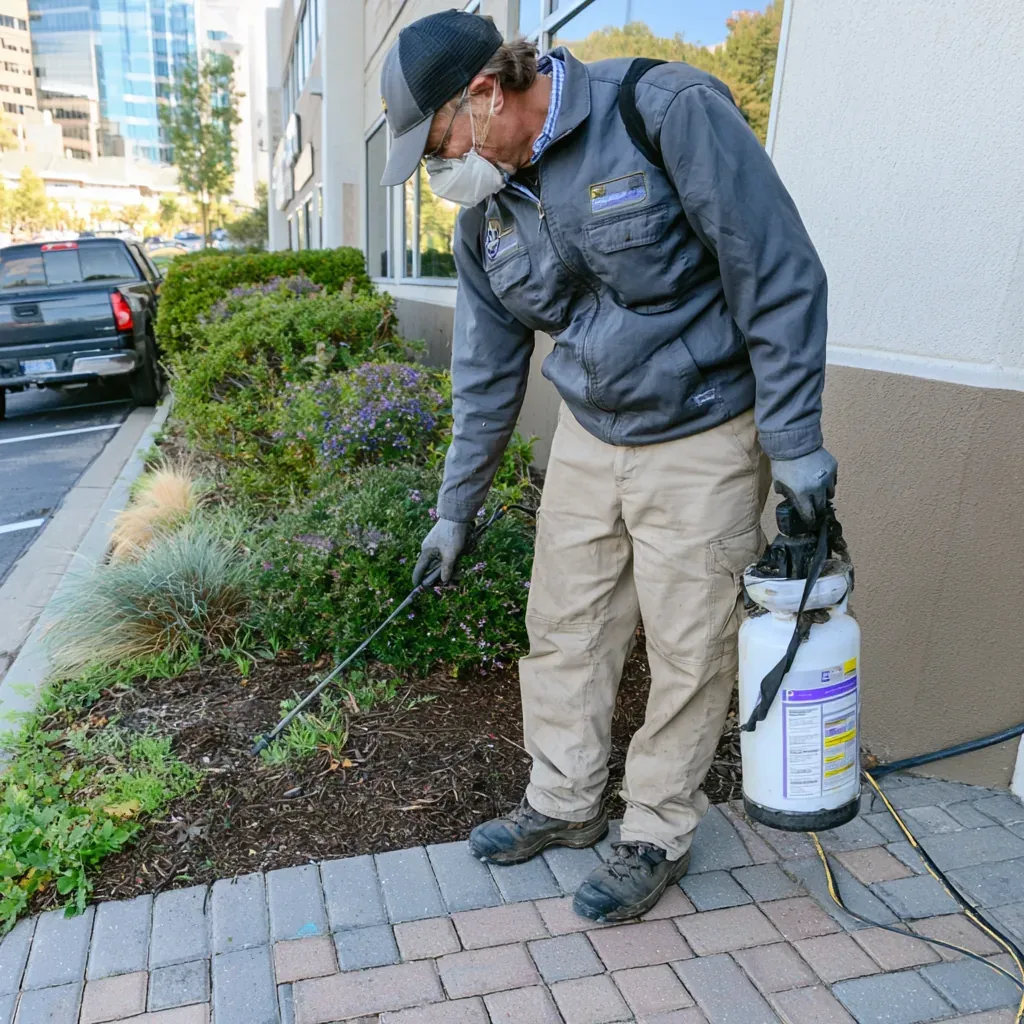
Rodent inspection costs depend on which office areas need access and whether visits must fit narrow operating windows.
Offices can limit disruption by recording where signs appear, assigning one contact to coordinate room access, and asking about visit windows that fit operating hours or shutdown periods. Share access constraints for food, storage, and utility areas before arranging service.
The cost of office rodent control depends on how many work areas need attention, how easily they can be reached, and whether service must fit a narrow operating window. A visit during a quiet period may be easier to arrange than work around a full reception desk or booked meeting rooms. When requesting an assessment, describe the locations where activity was noticed and the hours when access is possible. Those details help the pros we connect you with consider a workable schedule.
Mice in office buildings can leave signs in places that seem unrelated to desk areas, such as a snack cupboard or a waste room. Note which spaces employees use for food, where supplies are stored, and when waste is collected. These routines can help explain when certain rooms are occupied and when they may be available for service. If food is prepared or handled on site, mention the task and its schedule so the visit can be coordinated with that work.
Commercial office rodents can affect visitor areas as well as employee workspaces. A sign near reception may be noticed during a busy arrival period, while a meeting room may be available only between bookings. Mark the rooms where staff have observed activity and note recurring appointments, visitor peaks, or quiet periods. This gives a service provider a clearer picture of which areas can be reached together and which may need a separate visit window, limiting interruptions to people using the office.
A report is more useful when it describes what an employee actually noticed. Ask staff to record the location, the time, and whether they saw a mark, droppings, or heard movement. The observation may help identify where activity is occurring, but it does not establish the cause by itself. A consistent record lets the person arranging service compare reports and prioritize rooms that need attention. It also reduces the need to stop employees during their work to gather details later.
A room may be scheduled as available but remain inaccessible without a keyholder or escort. Before booking, identify who can open secured offices, storage rooms, or shared building spaces, and when that person is on site. If a property manager controls some areas, coordinate with them before confirming the appointment. Sorting out entry in advance helps the visit stay within its planned window and avoids asking employees or visitors to wait while someone is found to unlock a door.
| Area reported | Available window | What was noticed |
|---|---|---|
| Observed zone | Floor or room where staff noticed signs | Keep the visit focused on relevant spaces |
| Room use | Food preparation, storage, or desk work | Choose access times that fit the room’s function |
| Utility access | Locked closets or areas near pipe runs | Arrange entry with the facilities contact |
| Staff updates | Internal channel for newly noticed activity | Collect observations before the next scheduled visit |
| Visitor flow | Reception periods, meetings, or busy arrival times | Select a window with less foot traffic |
| Operating window | Opening, closing, or planned shutdown periods | Identify workable slots around office operations |
| Visit notes | Spaces reviewed and changes since the last visit | Help compare conditions over time |
| Assigned task | Remaining repair or cleanup work and its owner | Keep outstanding work visible for follow-up |
Food and supply spaces can affect how a visit is organized because they may be used at set times or contain materials that staff need during the day. Tell the provider whether employees prepare meals, stock shared snacks, or receive regular deliveries, and note when those activities take place. This lets you discuss access around the work rather than interrupting it without warning. A note of droppings or damaged packaging can help the licensed pros we connect you with identify which areas to inspect.
Utility closets and storage rooms often follow a different access process from ordinary office space. Building staff may hold the keys, while stored supplies or equipment can limit when a room is clear enough to enter. Find out who manages these areas and whether they can be opened during the proposed service period. Including them in the schedule discussion helps prevent a visit from covering only the rooms controlled by office staff when signs have also been reported elsewhere.
A shutdown or low-occupancy period can offer a useful service window when normal office activity would make access difficult. Check whether the building will be open, whether security can admit a provider, and whether cleaning or maintenance is already scheduled. Some offices cannot pause operations fully, so identify any rooms that remain in use. The appointment can then be planned around those limits, with a separate window considered for areas that cannot be reached while employees or visitors are present.
Give employees a clear route for reporting new observations, such as a facilities inbox or a named contact. Ask them to include the room and time, then pass the information to the person coordinating service. When reports arrive in one place, you can add them to the schedule discussion without asking staff to contact several managers. This approach also helps you alert the provider if activity is noticed in a room that was not included in the original visit plan.
Before a scheduled visit, tell the employees who work in affected areas when access may be needed and who will coordinate entry. Keep the notice focused on practical changes, such as a room being unavailable for part of the service window or a meeting needing a different space. If the arrival time may shift, identify who will relay an update. Clear notice helps visitors and staff move through the office without confusion while the provider completes the agreed work.
Keep a record of reported locations, access arrangements, operating limits, and the work completed at the office. Include the date of each visit and any rooms that could not be reached, so a missed area is not mistaken for one that was addressed. If the pros we connect you with recommend changes to the plan, note who received them and when they can be considered. A readable history helps the next scheduling decision reflect what happened during earlier visits.
After service, ask the designated contact to gather new reports from the areas discussed and add them to the site record. Note whether a room was occupied during the visit or whether access was delayed, since those details can help explain what was covered. The provider may recommend a later check as part of the service plan. Coordinate its timing with the office calendar, then use the new observations to decide whether the response or access plan needs review.
For an organization with offices at several addresses, keep a separate operating calendar and service history for each site. Local contacts can explain building entry rules and periods when rooms are busy, while a central coordinator can compare scheduling needs across the organization. Avoid assuming that one location's shutdown hours or key arrangements apply elsewhere. This division gives the provider site-specific information and helps employees know whom to contact about a visit at their own workplace.
Before requesting a rodent inspection, gather the reported locations, the person who can arrange entry, and the hours or rooms that limit access. Add relevant details about food preparation, storage, utility areas, and periods when visitors or employees need uninterrupted use of a space. If available, photos of affected areas can give the licensed pros we connect you with more context before the visit. With these details ready, you can discuss a service window that fits the office's operations.
A rodent inspection cost can vary with the number of office areas involved and the time needed to arrange entry. To limit disruption, first note where employees have seen signs and which rooms need a key, escort, or staff contact. Then compare possible visit windows with meeting schedules, visitor periods, and any work that cannot pause. If food, storage, or utility areas have separate access rules, identify who can open each one. Clear arrangements help the pros we connect you with plan a visit around the office’s actual use.
The linked locations have house rodent-control pages; elsewhere, droppings, gnaw marks, or sounds may be the first signs that lead you to ask about an inspection, includingAuburn AL, Birmingham AL and Homewood AL. For a home near the edge of a provider’s coverage, ask how distance and appointment type affect billing.
Restaurant control quotes commonly account for service at each scheduled visit, plus the kitchen, dining, and storage areas included. Visit frequency and access during business hours can shift the scope. $80–$175 supplies a guide figure; compare which spaces and control steps the proposed service covers.A commercial estimate may include sealing supplies for openings found during inspection, alongside the selected control measures. When you call, note any access limits and ask whether the inspection has a charge; request the proposed scope in writing.Commercial cost bands are listed at pricing guide; commercial overview explains how scheduled service is set up.
Multi-Site Warehouse Control
Multifamily Rodent Control
Restaurant Rodent Control
Give employees a clear way to report what they noticed, then record the room, date, and nearby work area. For example, a report might say that a sound came from a storage room after closing. Note whether the sound repeated or stopped, since that detail helps describe what happened without guessing at its source. This helps the office arrange entry to the relevant space and compare later notes with the original report.
Possibly, if the provider’s availability and your building’s entry rules allow it. When you request a visit, describe when employees and visitors are present, along with shutdown periods or rooms that cannot be interrupted. The pros we connect you with can discuss available windows with the office contact. Confirm who will let them in and whether any area must remain accessible during the appointment.
Choose a facilities or office operations contact who can gather staff reports, arrange keys or escorts, and confirm which rooms are in use. That person can share a proposed visit time with affected teams and send updates through one agreed channel. At offices with separate site contacts, each location can coordinate its own entry arrangements while keeping service notes tied to the correct address.
A rodent inspection cost may depend on how many rooms or work areas are included and how difficult it is to arrange access. Food, storage, and utility spaces may involve different contacts or entry steps, which can affect the time needed. For offices at more than one location, ask whether each address and its access requirements are included in the requested scope.
Before requesting an office assessment, note reported rooms, entry contacts, and operating or shutdown windows that could shape the visit.
Call (866) 583-0187