Healthcare Facility Rodent Control
Healthcare Facility Planning
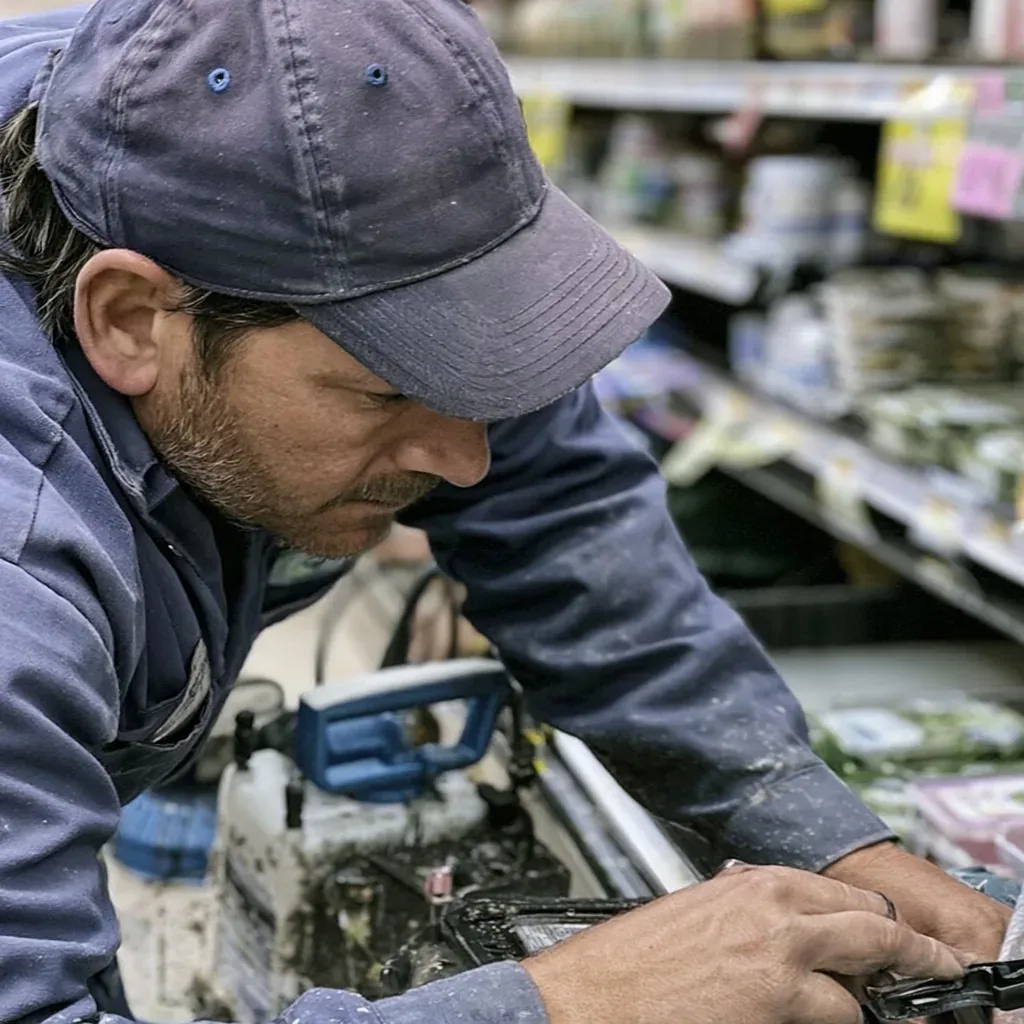
Plan retail rodent control around merchandise, customer areas, back rooms, and the different access needs of each store.
Retail stores can manage rodents by documenting signs by department, protecting merchandise under store procedures, and planning access around customers and deliveries. Site findings can guide control steps, while location-specific records and follow-up help managers track activity across addresses.
Rodent inspection cost can depend on how many retail areas need review, how merchandise is arranged, and whether activity appears in sales space, stock areas, or both. Those locations shape where a provider looks for droppings, gnaw marks, nesting material, and possible openings, and they affect how control can fit around receiving and customer hours. To prepare for a site assessment, record the affected departments, damaged packaging, sightings, and delivery or access limits. That gives the pros we connect you with a store-specific basis for discussing merchandise protection, device monitoring, and service records.
A mouse seen near a checkout or a sound behind shelving gives you a starting point, but not a clear picture of where activity is concentrated. Mice in retail stores may show signs on the sales floor, in a stockroom, or in a staff area, and the useful response depends on which departments are affected. Record the location and time of each report, then compare observations across stores. That makes a recurring concern easier to distinguish from an isolated sighting and gives the pros we connect you with relevant context.
Store rodent prevention has to account for how merchandise and supplies move through the building. If cartons wait near an open receiving area or goods are transferred between back rooms, note those routines alongside any signs staff report. Keep food, where sold, in sealed containers and clear accessible crumbs as part of ordinary cleaning. Those steps can reduce available food, but they do not close gaps through which rodents may enter. A useful control plan considers both daily practices and the conditions staff cannot correct on their own.
Customer areas bring different access needs from staff-only rooms. You may need to arrange service around busy aisles, fitting areas, or checkout work so shoppers can move safely and employees know which spaces are temporarily unavailable. Share the store’s opening hours and identify who can provide access to restricted departments. If a visit must happen while the public is present, explain that in advance. The service approach and timing can then reflect the way the store operates instead of disrupting the same areas customers and staff rely on.
When you find a concern beside saleable goods, follow your store’s procedure for setting aside items that need review. Note the department, shelf or display, and condition of the packaging, then tell the appropriate manager what staff have done. Avoid moving products into another area without recording where they came from, since that can make later reports harder to interpret. This page addresses how to coordinate rodent control around merchandise; decisions about damaged goods belong with the store’s own product handling process.
| Activity | Location | Next step |
|---|---|---|
| Sales displays | Flag affected merchandise for staff review | Department, item type, package condition |
| Sales floor | Keep shelving edges clear for access | Aisle or bay, signs, date found |
| Customer walkway | Mark the location and note any access limits | Aisle section, time, staff response |
| Delivery staging | Arrange access around scheduled receiving | Delivery window, entry door, site contact |
| Store hours | Choose a work window with less customer activity | Open hours, preferred window, restricted areas |
| Possible entry gap | Keep the suspected opening visible for review | Area, nearby pipe or door, repair contact |
| Monitoring device | Leave devices reachable for planned checks | Location, check result, follow-up needed |
| Location file | Keep notes with the record for that address | Store ID, manager contact, service notes |
Deliveries can affect whether a provider can reach the back of the store or move through the receiving area. Tell the contact arranging service when vehicles arrive, which entrance staff use, and whether pallets or carts may block a route. If several locations share a delivery window or central receiving procedure, describe the common arrangement and note each site’s exceptions. That information helps set workable access expectations and reduces the chance that a planned visit overlaps with a busy handoff of goods.
Store hours determine when managers, keyholders, and department leads are available to coordinate access. For each address, name the person who can open staff areas and the best way to reach them on the service day. Include any periods when customer areas must remain clear or when a department cannot pause work. A shared contact may coordinate several stores, but local staff still need to know what has been arranged. Clear responsibilities help prevent missed access and confusion about who received service updates.
Retailers that sell or prepare food should identify food handling areas and explain which spaces must remain available during operating hours. Staff can share the store’s existing cleaning and storage routines so the service plan fits established procedures. Ask the provider how any control devices will be placed, kept out of routine work, and checked. Rodent products must be used according to their labels, with precautions suited to the site. These details matter at the relevant locations; other stores may have different operational constraints.
The same control scope can cover several addresses, but the buildings may offer different routes indoors. A gap beside a door, pipe, or utility line can provide access, so ask site contacts to note visible openings for review. Staff should report where they saw activity without trying to make repairs that are outside their role. When a route remains open, activity may recur even after other control steps. Recommendations can therefore include reducing access as well as responding to signs found inside.
A simple location map can help a regional contact compare reports without treating every store as identical. Mark departments, staff-only areas, receiving access, and the point where each concern was reported. Use the same department names in notes from different addresses, and label local features in the way staff recognize them. This gives managers a practical view of where reports cluster and where information is missing. The map supports coordination; it does not replace a site-specific review by the pros we connect you with.
A record is easier to use when it shows what happened at a particular address and what followed. Keep the report date, department, staff observation, access limits, and any action taken together, then add service notes when received. Use consistent location names across stores so regional staff can compare updates without mixing one department’s history with another’s. Follow-up checks can help show whether activity persists or devices need attention; the timing depends on the agreed service plan. A record should make the next decision clearer.
Choose a store contact to collect employee observations and send a concise summary to the person coordinating service across locations. Ask staff to record what they noticed, where and when it occurred, and whether the area was open to customers. They should leave traps or other control devices in place and report concerns through the agreed channel. A consistent handoff helps the provider understand new reports while giving managers a record they can compare with earlier updates from the same store.
The cost of a rodent inspection varies with the number of addresses, the areas involved at each store, and the access arrangements needed to reach them. A location with a large back room or restricted departments may take different coordination from one with an open sales floor. Delivery windows, customer hours, and whether several stores can be scheduled together can also affect the scope. Visible droppings, gnaw marks, and nesting material can help show where rodent activity needs closer attention.
Before requesting a site assessment, assemble a brief for each affected store: department names, dated sightings, packaging concerns, and any limits on access or deliveries. Add a floor plan if one is readily available, along with the contact who can open restricted areas. For a multi-site request, separate shared operating rules from details unique to each address. That gives the pros we connect you with a usable account of the retail setting and helps you clarify how the proposed scope will fit store operations.
Cost for retail rodent control depends in part on how much of the sales floor and back room falls within the requested scope. For a retailer with several addresses, define sales, stock, and receiving areas consistently so a sign near merchandise is not mistaken for a complete picture of that store. Keep affected packages identified for assessment, and distinguish sightings from damage. Those details help the pros we connect you with discuss how to protect merchandise while stores keep ordinary work moving, even when layouts and workflows differ among branches.
Check the locations with dedicated pages for area-specific details; beyond those listings, the shared referral remains a way to contact the pros we connect you with, includingCenter Point AL, Tarrant AL and Anniston AL. Ask whether a return appointment has its own fee and what the service charge includes.
Office building estimates may vary with the space covered and how often a provider is scheduled to attend. Shared kitchens, tenant storage, loading access, and device monitoring can affect the work. $80–$175 is a guide figure; check whether common areas and individual suites are included.A commercial estimate may include sealing supplies for openings found during inspection, alongside the selected control measures. When you call, note any access limits and ask whether the inspection has a charge; request the proposed scope in writing.Commercial cost bands are listed at pricing guide; commercial overview explains how scheduled service is set up.
Healthcare Facility Planning
Restaurant Rodent Control
Multi-Site Warehouse Control
A useful assessment accounts for customer-facing space, stock areas, receiving routes, and any rooms with restricted entry. Tell the pros we connect you with where signs appeared and what packaging was affected. They can consider inspection findings when discussing traps, baiting, access-point sealing, or monitoring. Keep merchandise decisions within your store’s handling procedures, and flag any food areas that require special coordination.
Share when the store is open, when deliveries arrive, and which areas staff need available for sales or stocking. Identify who can unlock restricted rooms or escort a visitor, plus any periods when a route through receiving is blocked. This lets the pros we connect you with discuss a visit that fits the site’s access rules and daily work.
Include the store address, department, specific spot, date, and what the person observed. Note separately whether packaging looked disturbed, and identify any access or delivery limits tied to that area. Follow store procedures for affected merchandise. Clear details help a manager and the service provider discuss the same location without treating a customer report, staff sighting, and packaging concern as identical evidence.
Keep each location’s service notes with its own site record, even when a regional team reviews multiple stores. Log the areas discussed, access arrangements, staff guidance, and the expected next check. Afterward, add new observations and note whether the service plan calls for another visit. This gives managers a usable history without assuming every address has the same layout or operating needs.
For a site assessment, gather the store address, affected departments, packaging concerns, sightings, and any delivery or access limits.
Call (866) 583-0187