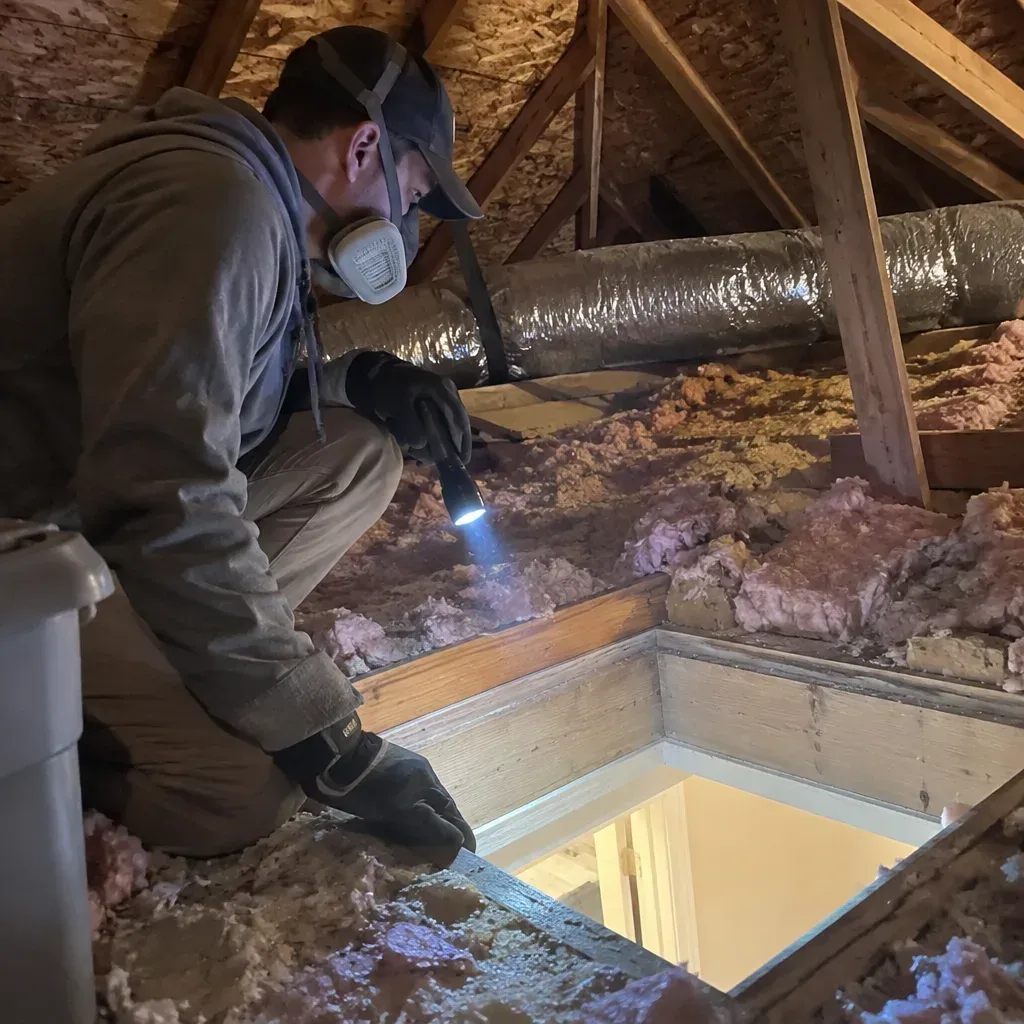
How Many Mice?
One mouse does not reveal how many may be nearby. Learn how recurring sounds, droppings, food access, and hidden shelter add context—and when an inspection may help.
Read article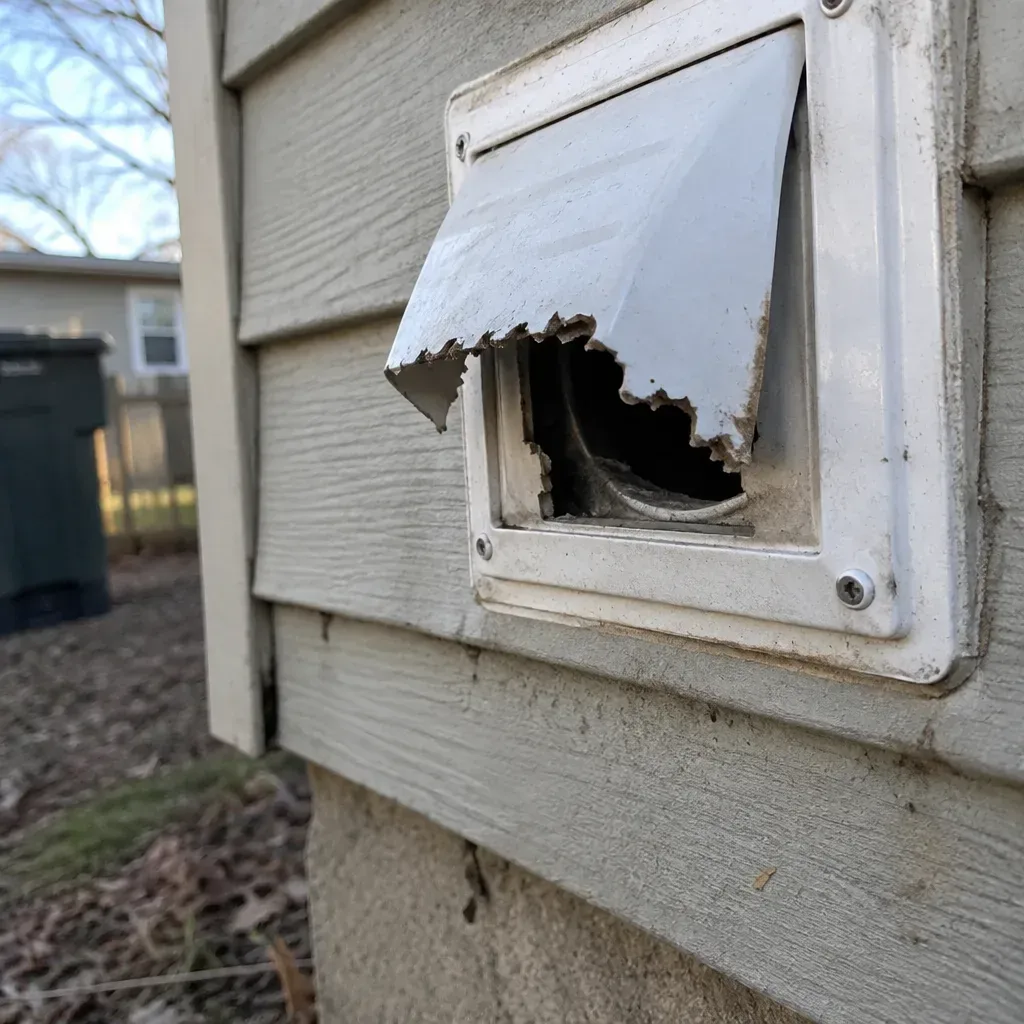
Find the gaps, seal them the right way, and keep rats and mice out with a local licensed pro.
Rodent exclusion entry point sealing services close the gaps rats and mice use to get into your house, and the licensed pros we connect you with can find and seal them. Call (866) 583-0187 to get started.
Sealing alone does not remove rodents already inside, so trapping or baiting may be recommended alongside it. Access, closure materials and follow-up after sealing all shape your estimate.
A faint draft or a glimpse of daylight at a pipe, utility line or foundation opening is a good reason to ask about exclusion. A pro can tell you whether the gap can be closed and whether the nearby surface will hold the repair.
Scratches or gnaw marks near a suspected gap give the pro another clue. A loose, crumbling or uneven edge can change the method and the estimate, so ask how the closure will fit.
Fresh signs after sealing can mean the original route is still open or another one was missed. Tell the provider where and when you saw them so they can decide on a return check or adjustment.
Tell the pro where activity showed up and mention any recent changes to the structure that may have opened a new route.
The pro checks each suspected opening and the material around it, then explains which ones can support a lasting closure.
Suitable gaps are closed with an approach matched to the opening and surface, limiting access through those routes.
The pro explains how to limit food rodents can reach, such as using sealed containers, so fewer attractants work against the sealing.
A closure only blocks the routes where it is installed, so one missed opening can give rodents a way back in. Matching each closure to its opening and surface is what makes the sealing last.
An estimate can rise when several separate openings need attention, since each gap is another route to close. Doors and vents can also be checked for gaps that give rodents another way in.
Cost depends on how many suspected access points are reachable and suitable for closure. Gaps around utility lines and at foundations can leave a path into a house, and an exclusion plan can include checking door sweeps and vent covers.
A clear description of the problem helps the licensed pros we connect you with understand what the visit needs to cover.
| Current Evidence | Control Approach | Service Fee |
|---|---|---|
| One Location | Discuss observed activity and potential routes inside; no control devices, opening repairs, or subsequent checks. | an estimated $175–$550 |
| Nearby Areas | Inspection, agreed trapping or baiting, and selected gap closure; excludes follow-up monitoring. | an estimated $200–$715 |
| Broad Interior | Reviewing planned activity helps keep the assessment focused on the selected device controls. | an estimated $175–$550 |
| Concealed Routes | Review signs, place agreed devices, seal chosen openings, and monitor when the service plan includes it. | an estimated $420–$2,200 |
The treatment approach depends on the property and the inspection. Ask which inspection findings led to each recommended step. Ask how those tasks and any longer-lasting sealing materials are reflected in the pricing guide.
Access, closure materials, the number of openings and follow-up after sealing all affect the estimate. A gap that is hard to reach, or whose surrounding material needs work first, can raise it. Ask which openings the quote includes.
It can be, because sealing alone does not remove rats or mice already inside. Ask whether the quote covers trapping or baiting along with the closures. Quotes are easier to compare when each one states its scope.
Yes, each separate opening is another route to close, so more gaps can raise the estimate. Ask the pro to list the routes included and how the sealing will interrupt them.
That depends on the provider, so ask before you book. A later check may review the closures and see whether activity continues. Ask what the visit covers and when it would happen.
No, major structural repair is a separate service. The exclusion scope should state its limits clearly, including whether surface preparation is included.
For rodent exclusion, the estimate is $175–$550 for this work. If the inspection supports sealing openings along with control measures, that broader scope can affect the amount the pros we connect you with confirm.
Droppings, gnawing, or scratching sounds can raise questions an inspection helps sort out.
One mouse does not reveal how many may be nearby. Learn how recurring sounds, droppings, food access, and hidden shelter add context—and when an inspection may help.
Read article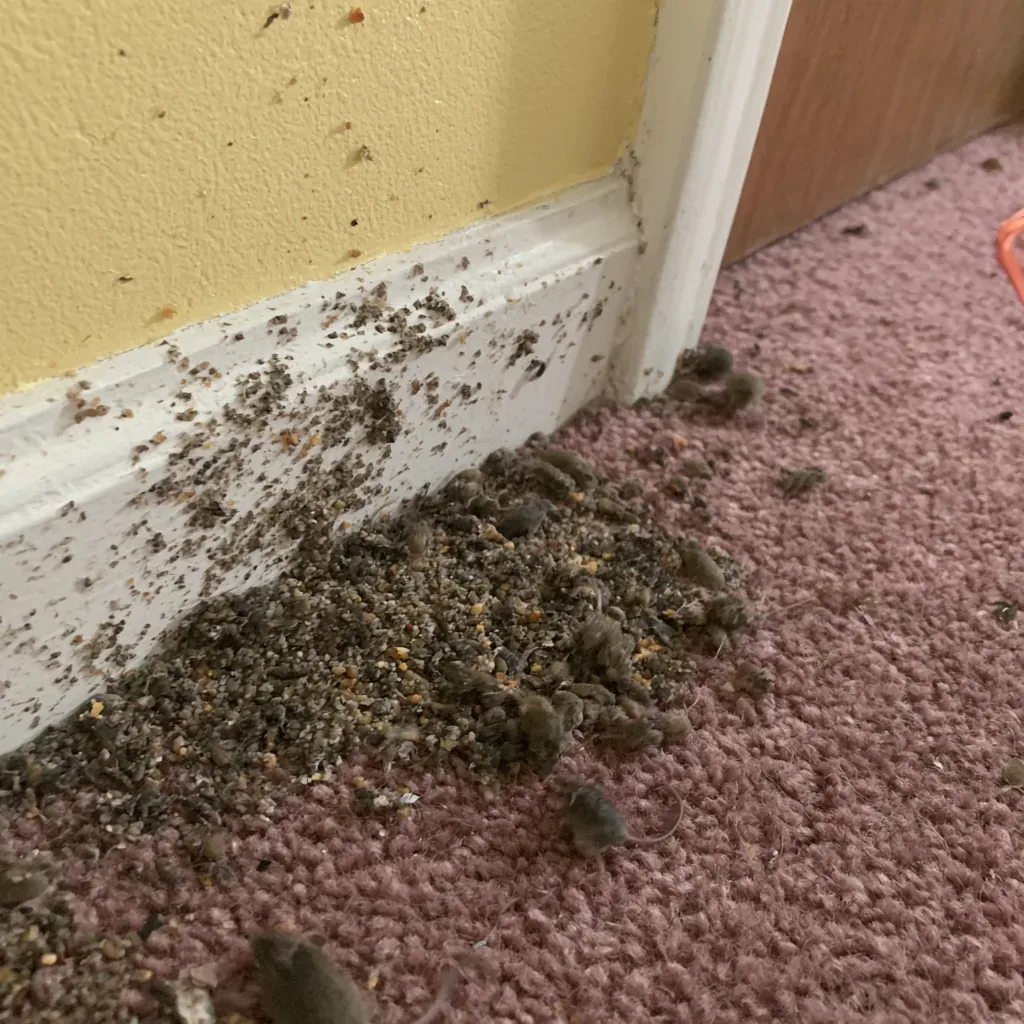
Compare body shape, tail, droppings, and activity signs in order to judge whether a brief home sighting was a rat or mouse.
Read article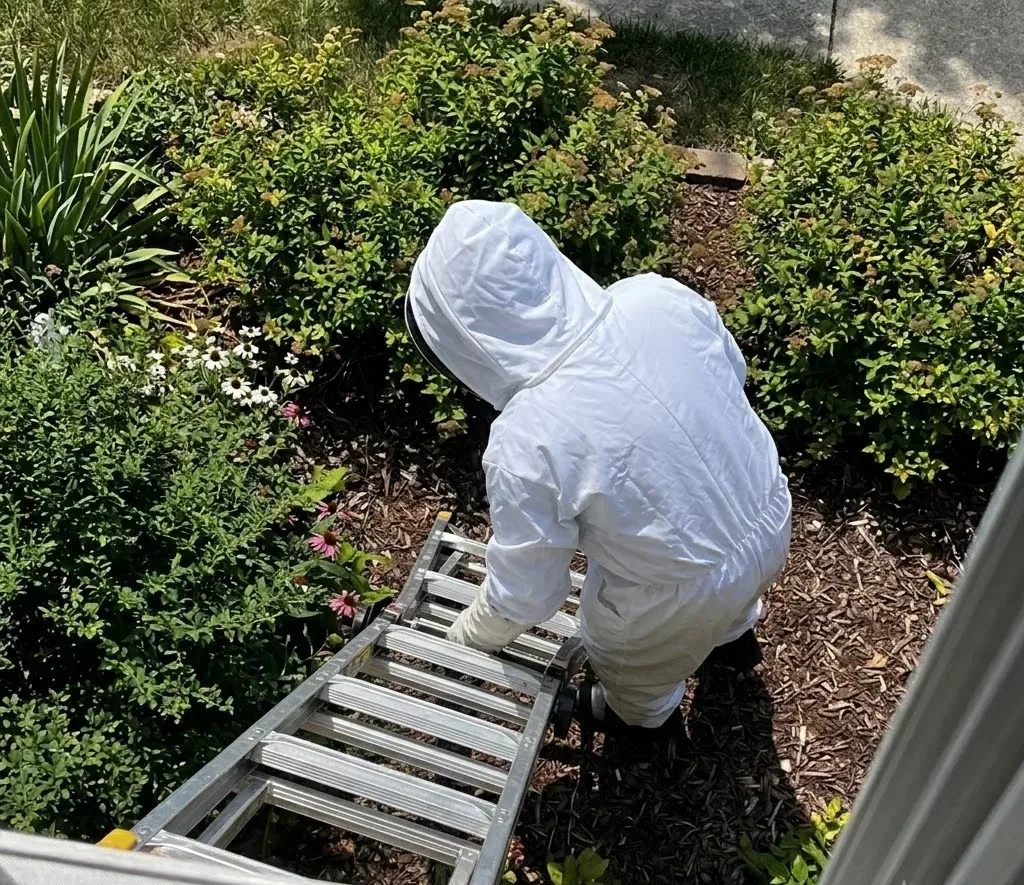
Learn how to judge suspected rat burrows using changes at the entrance, nearby clues, and possible yard causes, plus when an inspection may help.
Read articleNearby Areas pages identify locations with their own pages. For a place without one, the request can still go through the same referral, though availability must be checked for the specific address. When you call, mention whether the concern is inside a home, garage, or another building area. Ask when an inspection could take place, whether there is a visit charge, what work the provider would include, and whether any warranty terms apply. Those details can vary by provider.
Call (866) 583-0187