Restaurant Rodent Control
Restaurant Rodent Control
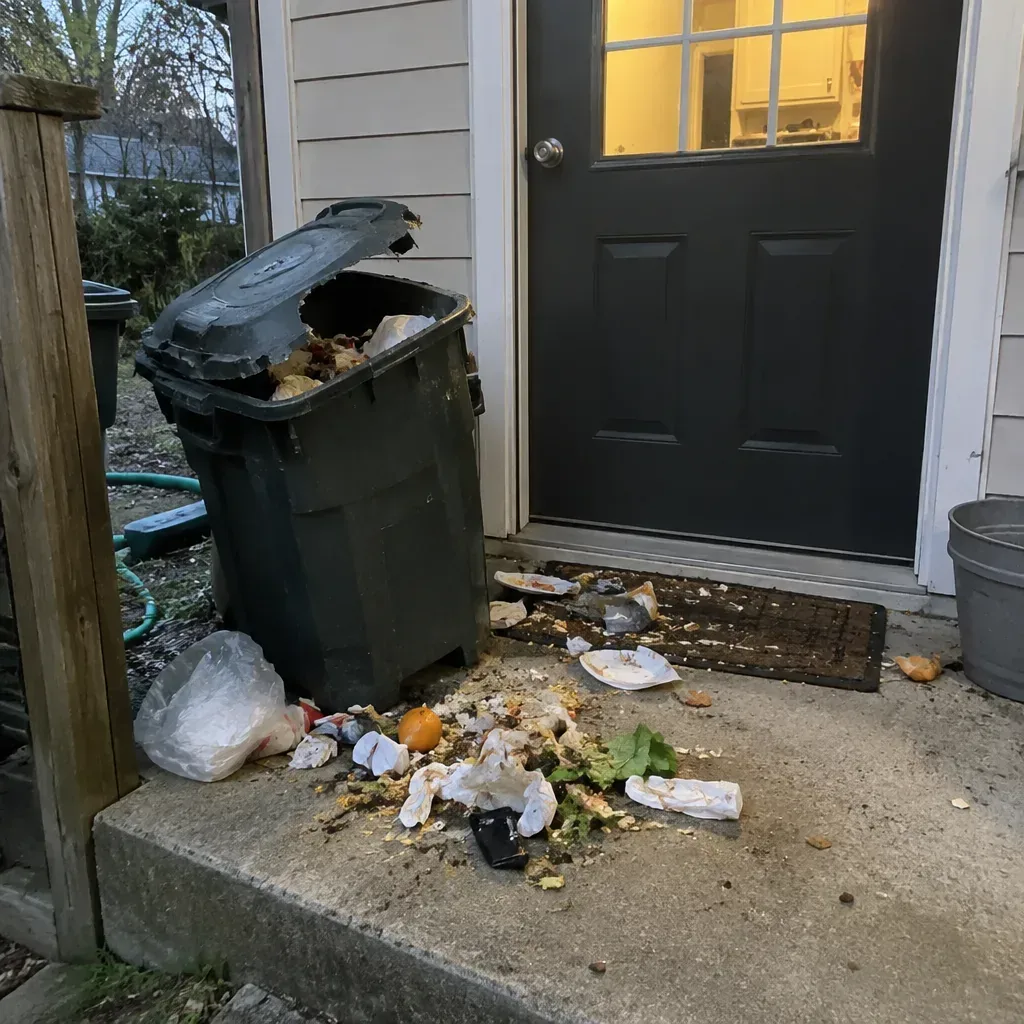
Compare activity and access needs by facility to set monitoring priorities around production, storage, sanitation, and follow-up.
Food facilities can track rodent signs by production and storage zone, compare activity and access conditions across sites, and schedule checks around sanitation and food handling. Dated records help guide inspection, control steps, and follow-up.
The cost of food processing rodent control depends on the facility’s layout, the areas affected, access conditions, and the amount of follow-up needed. A concern beside ingredient storage can call for a different response than signs near a loading area or production equipment. Before you compare service plans, clarify which spaces are involved and how work can fit around food handling. That context helps the pros we connect you with assess the site and explain the steps they recommend.
A useful first report describes what someone noticed and where it happened. Note the date and time, the room or production zone, and whether staff saw a mouse, droppings, gnawing, or damaged materials. Include whether the area was in use and if food or packaging was exposed. These details help distinguish an isolated observation from a pattern worth investigating. Keep the report factual, so the provider can compare later findings without relying on memory or guesswork.
A facility map can make observations easier to interpret when rooms, storage areas, and production lines connect in complex ways. Mark where signs appeared, along with nearby doors, utilities, drains, and transitions between spaces. Add the direction staff or materials travel through the area if that affects access or sanitation. A clear reference lets staff and the provider discuss the same locations, while preserving the facility’s own room names and operating boundaries.
Service timing should account for when production equipment is operating, when sanitation teams clean, and when ingredients or packaging are exposed. You can identify work windows such as line changeovers, planned shutdowns, or periods after a zone has been cleared. The provider can then discuss what inspection or control work fits those conditions. A schedule that ignores production flow may disrupt handling procedures or leave the most relevant areas inaccessible during the visit.
Before a visit, explain the site’s check-in process, escort rules, hygiene requirements, protective clothing, and restricted areas. Also identify equipment hazards and any steps visitors must follow before entering production or storage zones. Assign a contact who can arrange access and answer operational questions. Clear instructions help the pros we connect you with reach the areas under review while supporting the facility’s own food-handling and visitor procedures.
| Site area | What you notice | Work access |
|---|---|---|
| Activity zones | Production and storage areas with observed signs | Helps focus inspection and monitoring locations |
| Affected production area | Droppings, gnaw marks, nesting material, or sounds | Inspection can help assess what the signs mean |
| Sanitation windows | Cleaning schedules and areas affected by washdown | Coordinate visits around safe, available access |
| Food exposure | Open ingredients, products, and packaging | Plan control steps around handling procedures |
| Site access | Escort, sign-in, and restricted-area rules | Arrange entry with the facility contact |
| Shift schedule | Receiving, production, and shutdown periods | Choose a window that fits site operations |
| Possible openings | Gaps beside doors, utility lines, or foundations | Inspection findings can guide sealing priorities |
| Service scope | Areas checked, devices monitored, and follow-up | Scope and access needs can affect cost |
The response to rodents in food facilities depends on where signs appear and what they may affect. A provider may recommend trapping, baiting, or other control steps after reviewing the location and conditions. Tell the provider whether the area contains ingredients, finished goods, packaging, or equipment used in processing. If products may have been exposed, follow your facility’s food-safety procedures and have the responsible staff assess the affected materials before resuming normal use.
Activity inside a room can prompt a closer look at how rodents might have reached it. An inspection may examine door edges, openings around pipes, and gaps where building sections meet. Rats and mice can use openings that are easy to overlook, so note doors that do not close fully or places where repairs are pending. Addressing an access route can reduce the chance of renewed activity after control measures have been put in place.
Sanitation practices shape the conditions rodents encounter between service visits. Look for spilled ingredients beneath equipment, residue near transfer points, or waste that stays accessible after a shift. Staff can record where cleanup is difficult and when refuse is removed, then coordinate practical changes with sanitation leads. Keeping food residues contained can limit available attractants, while repairs and access control address separate building conditions that cleaning alone cannot resolve.
Monitoring locations should reflect the inspection findings and remain clear of food contact surfaces, routine handling, and equipment movement. Ask the provider to identify what each monitoring point is intended to reveal and how staff can avoid disturbing it during normal work. The placement should also account for cleaning routines and access restrictions. When a point is moved or blocked, record the change so later observations can be interpreted correctly.
Rodent follow-up monitoring means checking previously documented locations and control points again to see what has changed. The interval depends on the service plan and the facility’s conditions. At each review, note new signs, unchanged findings, device condition, and any barriers to inspection. Those observations give the provider a basis for discussing adjustments. If operations or sanitation routines change, share that information because it may affect what the next check can establish.
A service record should make it possible to trace a finding from its location through the response and later review. Record the date, zone, observation, action discussed or taken, access limits, and any repair assigned to facility staff. Include the outcome of follow-up monitoring when available. This creates a working history for food-safety, operations, and maintenance teams, and helps prevent an unresolved issue from disappearing between shifts or staff handoffs.
Organizations with several processing sites can use consistent reporting fields while keeping each facility’s details intact. Shared terms make it easier to review patterns, but local room labels, sanitation windows, access procedures, and operational constraints still matter. Designate who maintains records at each site and who reviews issues across locations. This keeps a central view useful without assuming that the same control schedule or response fits every plant.
Production schedules, storage practices, and material movement can shape where pest activity appears and which parts of a facility need attention. Some places have their own pages with local service information; elsewhere, the same referral connects you with a provider. For a facility-specific assessment, gather dated activity observations, affected zones, sanitation schedules, and access requirements so the discussion can address your operation.
When arranging an assessment, share the facility address, a site contact, the appropriate entrance, and check-in instructions. Explain which production or storage areas need review, when they can be accessed, and whether an escort or hygiene steps are required. Include the records of activity and any relevant sanitation or operating constraints. With those details, you can ask what the inspection will cover, how findings will be documented, and when follow-up monitoring may be appropriate.
The cost of rodent follow-up monitoring depends on how many facilities need review, the access each site allows, and the records required after visits. Repeat checks can show whether activity is declining or shifting to another part of a facility. Across locations, compare recent activity, production exposure, and entry conditions to set which facilities need earlier attention, then coordinate checks with sanitation and operating schedules. A shared format supports comparisons while keeping each facility’s findings distinct.
Check the locations with dedicated pages for area-specific details; beyond those listings, the shared referral remains a way to contact the pros we connect you with, includingAuburn AL, Birmingham AL and Homewood AL. Before booking, ask whether travel adds a fee and which rodent service appointments are billed separately.
Office building estimates may vary with the space covered and how often a provider is scheduled to attend. Shared kitchens, tenant storage, loading access, and device monitoring can affect the work. $80–$175 is a guide figure; check whether common areas and individual suites are included.A commercial estimate may include sealing supplies for openings found during inspection, alongside the selected control measures. When you call, note any access limits and ask whether the inspection has a charge; request the proposed scope in writing.Commercial cost bands are listed at pricing guide; commercial overview explains how scheduled service is set up.
Restaurant Rodent Control
Multi-Site Warehouse Control
Multifamily Rodent Control
Compare reports from each facility by the location and recency of signs, whether production or stored goods may be affected, and whether entry routes remain open. Give earlier attention to sites with evidence near food handling or repeated activity, while noting where access prevented a full review. This creates a practical order for follow-up without assuming every plant has the same layout, schedule, or control needs.
Record where activity appears in production and storage areas, including signs near possible access gaps, and compare those observations with sanitation schedules and room access limits. An inspection can assess likely routes and guide trapping, baiting, or sealing openings where appropriate. Keep findings and device checks in a service record so your facility can track continued activity and needed adjustments. Share the record with sanitation and operations contacts.
Keep a dated log with the room or zone, the sign observed, and nearby production, storage, or cleaning activity. Note packaging damage or possible product contact promptly so the facility’s food safety staff can assess it. Add access limits and any response taken. Preserve relevant packaging or other evidence when facility procedures allow, and record where it was found.
For a facility-specific assessment, gather staff observations, the affected production and storage zones, sanitation timing, and entry requirements. Include operating windows, restricted rooms, and the contact who can arrange access. If several facilities are involved, keep each site’s notes identifiable so findings are not attributed to the wrong building. A simple floor plan can clarify how affected zones connect to nearby production and storage areas.
Compile activity notes, affected zones, sanitation windows, and entry requirements before requesting a facility-specific assessment.
Call (866) 583-0187