Food Within Reach Indoors
The cost of addressing rodent attractants depends on which resources are reachable and how much work it takes to correct them. Seasonal changes may affect when you notice activity, but a home can offer food, moisture, and cover in any season. Start with what you can see indoors: ingredients within reach, damp spots that keep returning, and quiet spaces where materials collect. Each points to a different source. A careful room-by-room review helps you decide what to address first.
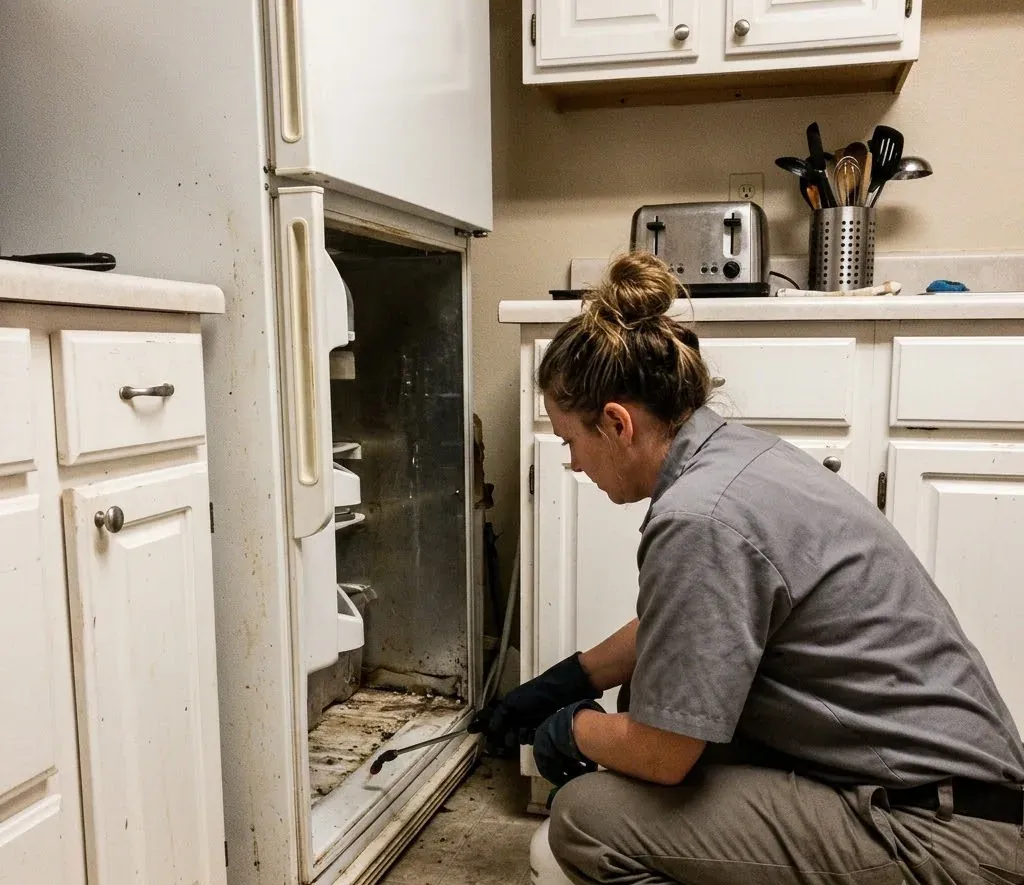
Food can remain available even when counters look clean. A few grains beside a cabinet, residue under a small appliance, or a torn dry-goods package can give mice or rats access to stored ingredients. Move pantry supplies into sturdy, sealed containers and clear crumbs from corners and floor edges. In a ranch, kitchen and storage areas may be on one level; in a split-level, check both. Look where food is prepared and kept, then note any packaging or residue that needs attention.
Moisture From Drips and Leaks
A wet patch beneath a sink, a slow faucet drip, or water left in a floor-level pan can provide a nearby moisture source. Check plumbing cabinets, laundry hookups, and the area around appliances; these spots may stay damp between uses. Seasonal temperature changes can also make condensation more noticeable on cold pipes. Dry the surface and look again later. If moisture returns, the source may need repair, since wiping away the visible water alone does not remove the condition sustaining it.
Pay attention to what you hear as well as what you see: a recurring drip, a faint trickle, or a stain that darkens again can help narrow down where water is coming from. In a subdivision home, plumbing may run behind finished walls or beneath cabinets, so the wet area may be smaller than the source. Make a note of when dampness appears and where it spreads. Check visible pipe entries and cabinet edges for nearby dampness.
Storage That Provides Quiet Cover
Paper, fabric, and other stored materials can make a sheltered place when they are packed into quiet corners. You may first notice shredded pieces, a hollow space inside a stack, or belongings shifted along a wall. Those changes can warrant a closer look, though an inspection is needed to assess signs of rodent activity. Keep storage off the floor where practical, and leave room to see behind and beneath it. That makes hidden cover easier to spot and reduces the places that stay undisturbed.
The way a storage area is arranged can conceal activity as much as the materials themselves. A row of boxes pressed against a basement wall may hide a narrow passage, while bags tucked under stairs can obscure the floor edge. Open a clear view along walls and around shelving, then check whether paper or cloth has been pulled out of place. Droppings, gnaw marks, or nesting material may indicate rodents; note where you find them so the location can be assessed rather than guessing from one sign.
Openings Along Indoor Boundaries
A home can contain useful resources yet remain accessible through a small opening. Look at door edges, pipe entries, and visible foundation joints for gaps that connect indoor shelter with outside access. Check whether door edges, pipe entries, and foundation joints leave a path indoors. You may feel a draft or see light at a threshold before noticing a rodent. Seasonal shifts can change when you notice indoor activity, so include these routes in a review of food, water, and storage rather than treating each source alone.
After noting the resources and possible openings, address the reachable source and keep an eye on the area for changes. Sealed food containers, repaired leaks, clearer storage edges, and closed access gaps each address a different condition; one change may not cover them all. Keep the review focused on food, water, stored materials, and access gaps throughout the area. What signs appear where a source or gap remains?
Dealing with rodent activity in your home?
Your inspection cost starts with the scope of the visit; $80–$175 displays the current band. Describe what prompted your request so the licensed pros we connect you with can discuss the visit’s scope. Locations with their own pages are described separately; requests from other places use the same referral. Ask the pros we connect you with whether they serve your address, what the visit includes, when an appointment is available, and what charges apply.