Scan the Yard’s Plant Cover
A simple sketch can help you track which areas deserve a closer look during the walk. Start your walk where you can see the whole yard, then move along its edges in a steady path. Check the lawn, planting beds, fence line, and spaces beside a ranch or split-level before focusing on any one spot. This first pass helps you notice where vegetation, stored items, food, or sheltered routes overlap. Mark those places for a closer look as you continue.
Check low plants and ground cover next. From a clear path, look for weeds or shrubs that block your view of the soil, especially where growth meets a fence, shed, or foundation. Dense cover can give rats and mice places to move out of sight and can make nearby activity harder for you to notice. Small droppings or gnaw marks can give you another clue to check more closely.
Check Storage and Outdoor Waste
Look over outdoor storage in place: firewood, boards, containers, and equipment. Notice whether items are stacked tightly, sit directly on the ground, or leave spaces you cannot see into. Those sheltered gaps can make it harder to spot rodent activity and may offer cover close to the house. If you can safely reorganize the materials, leave the area easier to inspect and keep stored items orderly. Note any locations you cannot check without moving heavy or unstable objects.
Check accessible food and waste after storage. Look around refuse containers, compost areas, and outdoor eating spots for torn bags, residue, or food scraps left within reach. These remnants can provide a food source, even when the rest of the yard is tidy. Secure waste and remove scraps when you can do so safely; then look again at the ground nearby for signs that activity continues. Keep this check focused on food outdoors rather than sources inside the home.
Trace Sheltered Routes to Structures
Follow the edges that link cover to buildings. Look along the base of fences, retaining edges, decks, and sheds for narrow passages that stay hidden from open view. A route that runs beside a structure may let rodents travel between yard cover and the building with less exposure. From a safe position, note where that path approaches doors, pipes, or the foundation. Small openings at those points can provide access indoors, so include them in notes for a professional inspection.
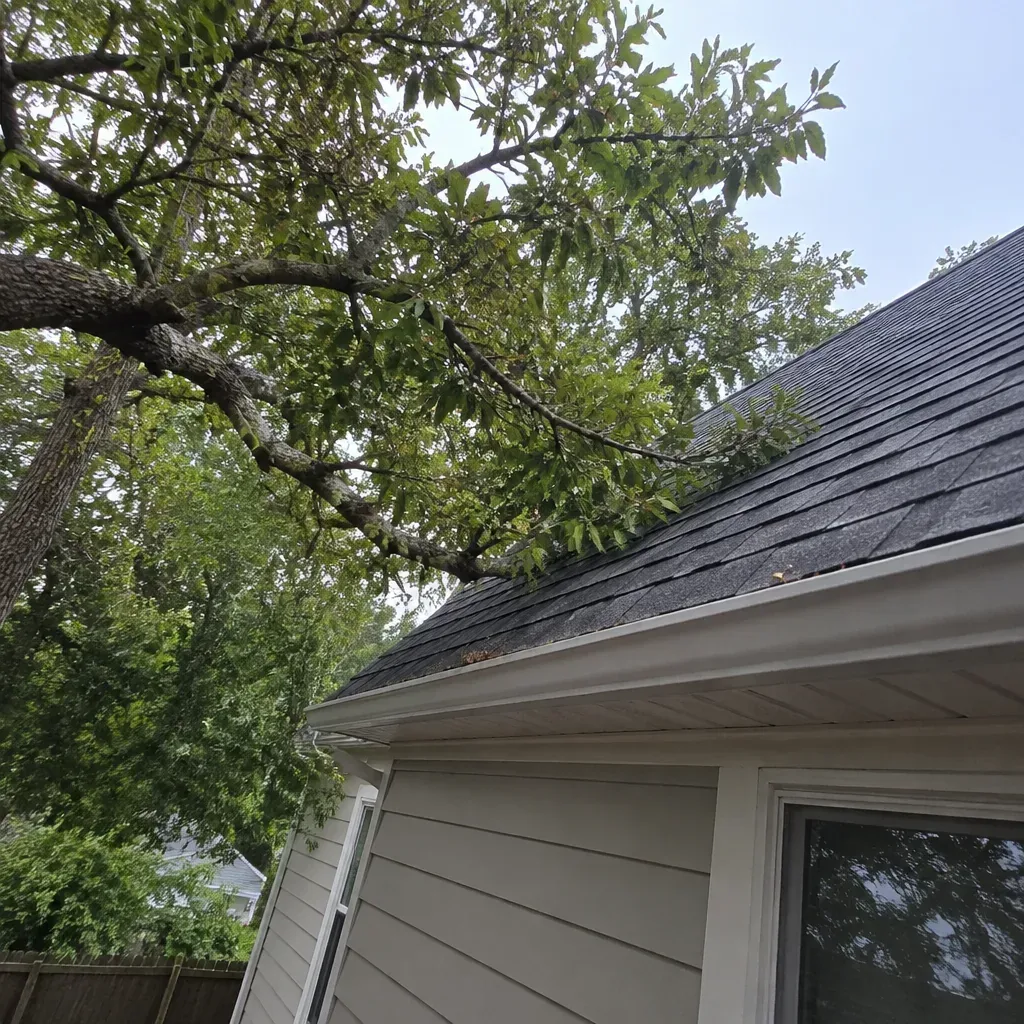
The yard’s layout can affect the scope and cost of rodent prevention. On a ranch or split-level, thick shrubs, ground cover, and stacked lumber can create sheltered lanes close to the structure, giving yard rodents cover as they move. Walk the lot and note dense growth, woodpiles, stored materials, outdoor food containers, and waste bins that do not close securely. Address conditions you can safely change by trimming vegetation, organizing storage, and securing containers. A clearer yard can reduce nearby food and hiding places, while conditions at the structure need separate attention.
Review Clues and Choose Changes
Before finishing the walk, review your notes in the order you made them: obstructed planting, stored materials, accessible waste, then covered routes and perimeter clues. Photos of the conditions you noted can help you compare the yard after changes. Choose the changes you can safely make, such as securing refuse or clearing visible plant growth, and record what needs professional review. Rodent prevention can involve reducing access and cover, while appropriate control steps depend on inspection findings.
Return to the same visible areas after making changes and note whether waste remains accessible, routes are still sheltered, or fresh signs appear. A clear yard can still have activity, so treat the walk as a way to organize observations rather than confirm rodents are gone. If you find signs near an opening or cannot safely inspect a stored area, ask the pros we connect you with what an inspection should check and which yard changes make sense for your property.
Dealing with rodent activity in your home?
Your inspection cost starts with the scope of the visit; $80–$175 displays the current band. Describe what prompted your request so the licensed pros we connect you with can discuss the visit’s scope. Locations with their own pages are described separately; requests from other places use the same referral. Ask the pros we connect you with whether they serve your address, what the visit includes, when an appointment is available, and what charges apply.