Start With the Entrance
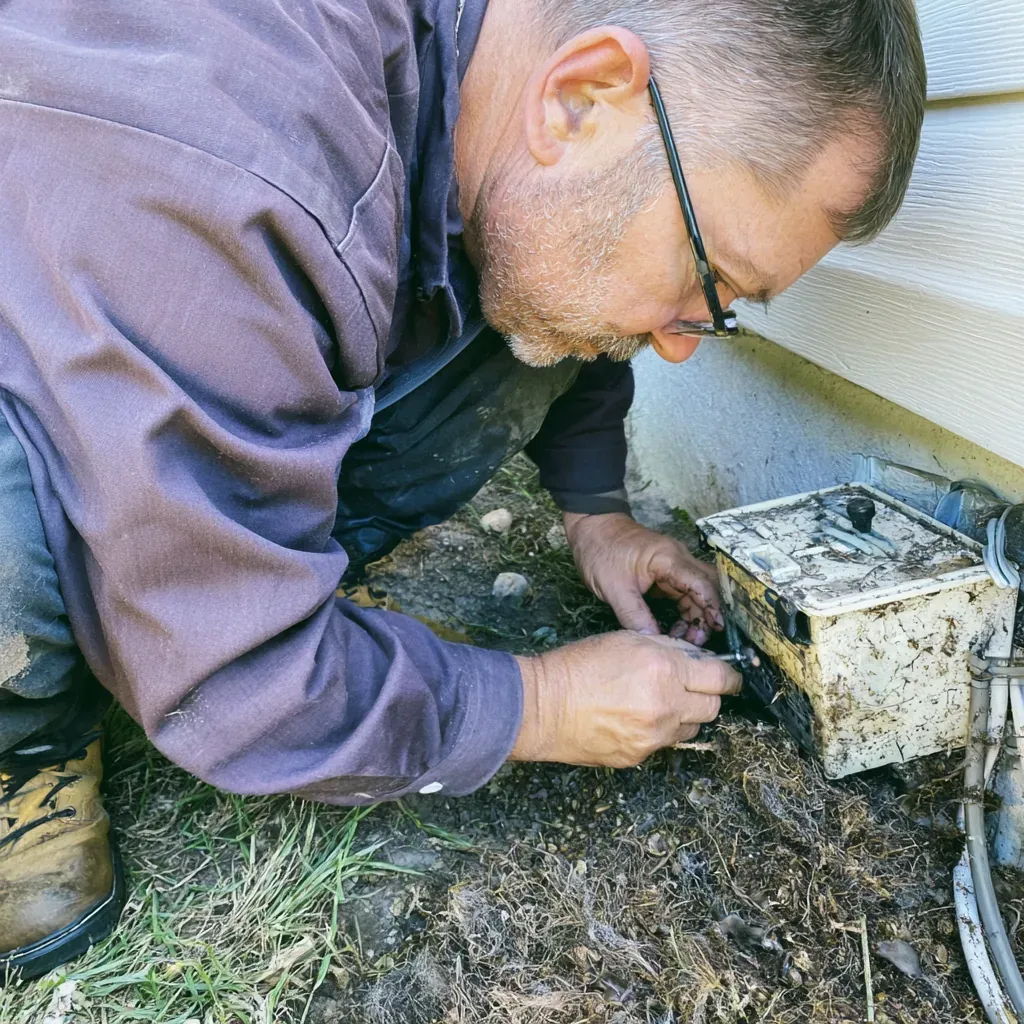
Rain runoff can soften soil around an entrance and alter its edges, making it look different without indicating new activity. A hole may lead into a space beneath the soil, but its width or shape does not prove who made it or whether it is still used. Look at where it sits in relation to the house and other openings, while staying back. That context gives an inspector a more useful starting point than appearance alone.
Food scraps or pet food left outdoors can attract rodents toward sheltered areas, so note whether such sources are nearby. Nearby narrow paths through vegetation may suggest animals move between shelter and feeding areas, but those marks do not identify rats on their own. Avoid reaching into a hole or probing its edges. On a ranch or split-level property, the same opening can be easy to overlook if it sits behind a foundation planting or below a deck.
Compare Changes in the Soil
Freshly disturbed earth can make a burrow look occupied, especially if the rim seems newly formed or loose dirt lies nearby. A dated photo from the same safe viewpoint lets you compare those details without relying on memory. Check again after some time has passed, and note what changed. A single observation is less useful than a clear record of whether the entrance and nearby soil remain stable or show renewed disturbance.
Soil changes can have more than one cause. Rain may soften an edge or wash material away, while dry ground can crack; lawn work, drainage flow, or settling may also shift dirt. Seasonal changes affect how these clues look across different parts of the country, so a fresh-looking rim by itself is not a reliable verdict. Record recent yard work and weather alongside your photos, then weigh the hole’s condition against other signs rather than treating every change as animal activity.
Consider Other Hole Causes
Before treating an opening as a rat burrow, consider what has changed in that part of the yard. Removing a shrub can leave a gap where roots once held the soil; a new planting, utility repair, or erosion may create a similar hole. On a subdivision lot, landscaping work near a fence or foundation can leave disturbed earth that resembles animal excavation. These explanations do not rule out rodents, but they help you distinguish a possible burrow from ordinary ground changes.
Other evidence can make a suspected hole more concerning. Droppings, gnawed material, or shredded nesting scraps near the home may indicate rodent presence, though none proves that a particular opening belongs to rats. Note where you see each clue without handling it or disturbing the entrance. A visible opening may be only one part of an underground run, so its surface appearance may not show the burrow's full extent.
When an Inspection Can Help
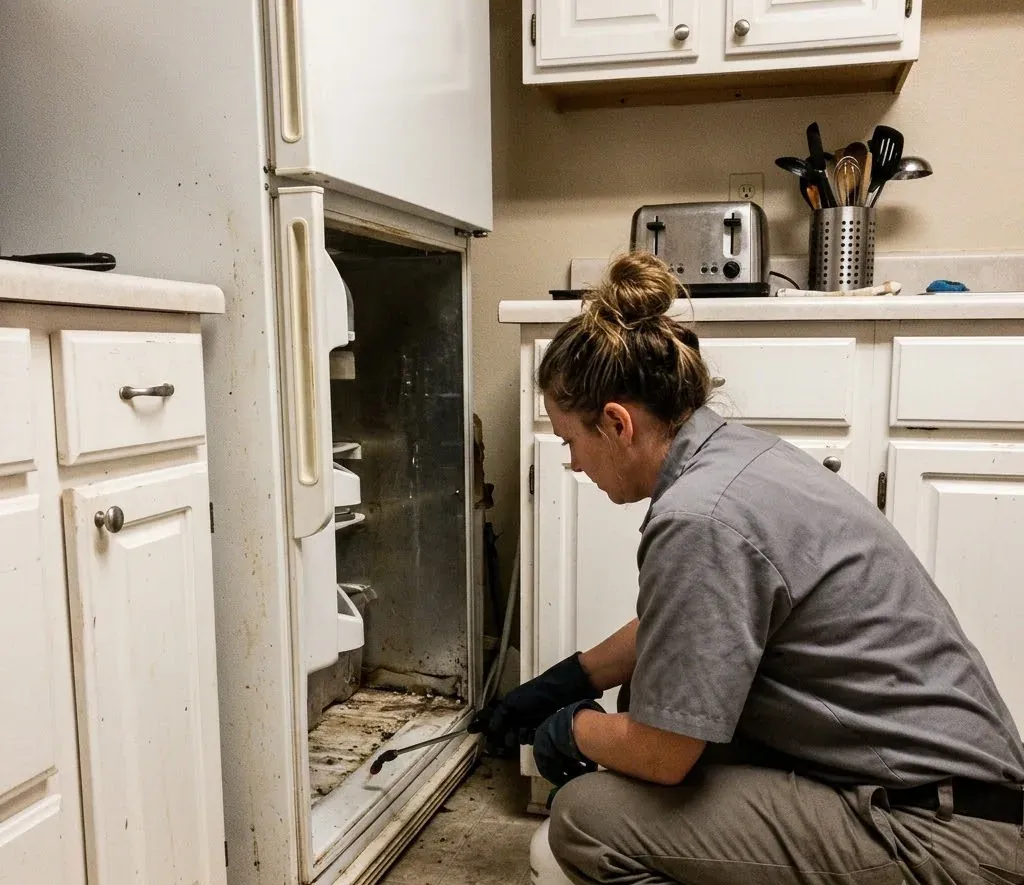
Consider asking for an inspection when the entrance changes repeatedly or fresh disturbance appears alongside other rodent signs. The pros we connect you with can assess the opening in context and explain what the evidence does and does not show. Keep dated photos, describe when changes appeared, and mention nearby yard work or heavy rain. Avoid covering an uncertain opening before it is assessed, since that can obscure later changes.
Ask what findings would call for monitoring, so you know what changes to watch for after the visit. Ask whether an inspection includes the suspected hole and nearby signs, and what follow-up would clarify continued activity. The site conditions and service plan shape those details. A single rodent hole cannot confirm an active rat burrow, so an assessment is most useful when it considers your observations alongside the property.
Dealing with rodent activity in your home?
Your inspection cost starts with the scope of the visit; $80–$175 displays the current band. Describe what prompted your request so the licensed pros we connect you with can discuss the visit’s scope. Locations with their own pages are described separately; requests from other places use the same referral. Ask the pros we connect you with whether they serve your address, what the visit includes, when an appointment is available, and what charges apply.