Look for Seed on the Ground
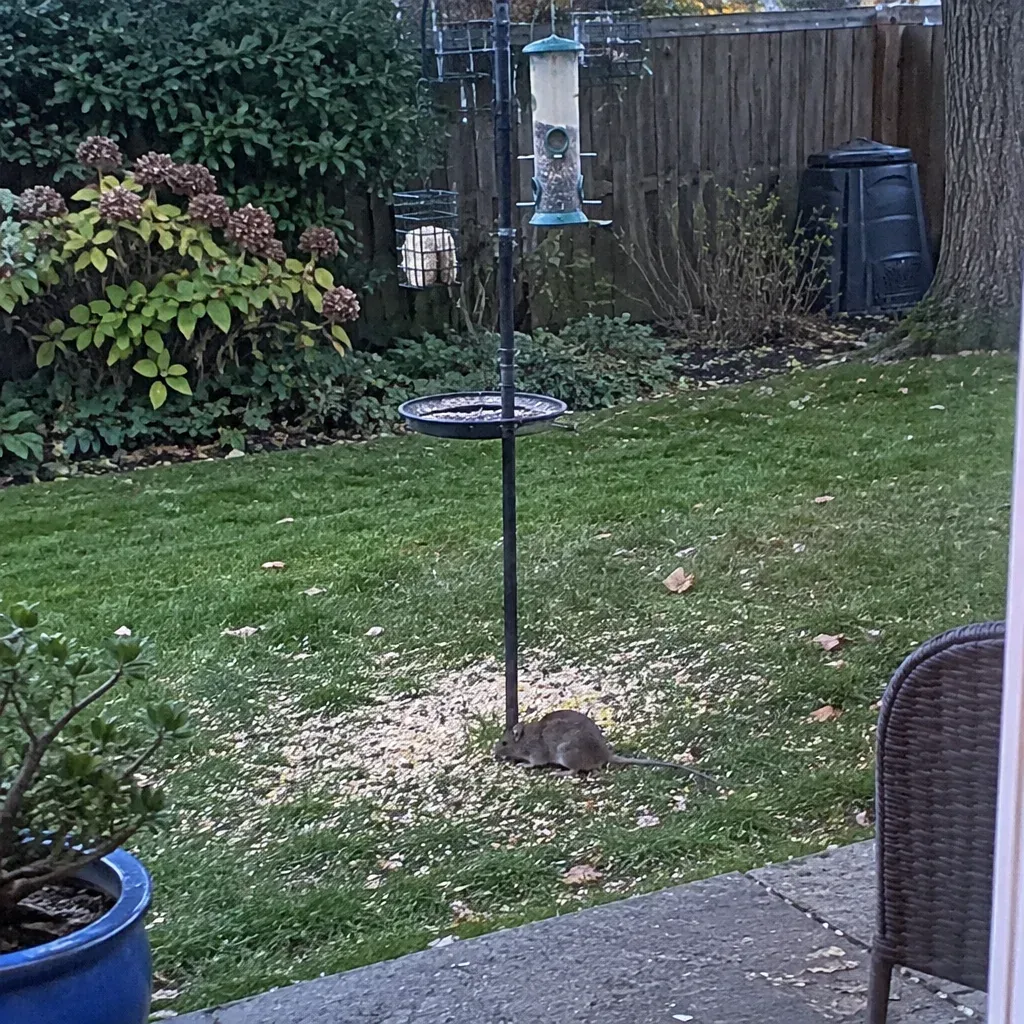
Nearby cover can give rodents a place to hide while they search for seed. Yes, spilled birdseed can attract rats or mice. Droppings, gnaw marks, nesting material, or sounds near the feeder may indicate activity there; clues along a route can help a pro assess whether rodents are approaching the structure and check for possible access points. A tidy feeding area can make fresh signs easier to notice. Check beneath feeders, clean spills, and store seed securely.
The amount and spread of seed can help you judge whether the area needs closer attention. A few kernels may fall as birds feed, while a repeated patch in the same spot suggests seed is regularly reaching the ground. Look for fresh-looking kernels and compare the area at different times, especially after feeding activity. If you clear visible seed, note whether it returns. Seed scattered beyond the feeder can blend into surrounding ground, making a quick visual check less complete.
Notice Feeder Position and Spills
Where the feeder hangs affects how clearly you can see what falls. From the places you normally view it, check whether the ground below is visible or hidden by a platform, dense growth, or stored objects. A feeder over a hard surface can make scattered kernels easier to notice than one above a textured or covered area. This is an observation about visibility, not proof of rodent activity. If you cannot see the full area beneath the feeder, spilled seed may go unnoticed for longer.
Watch the feeder while birds are using it, then look at the ports, seams, and tray for seed caught on or around those parts. A recurring trail directly below one side may suggest where kernels are escaping, while a clean tray with scattered seed nearby may point to another moment in the feeding cycle. Check again after a refill or windy spell to see whether the pattern changes. These clues help you understand when seed reaches the ground without assuming that a rodent caused the spill.
Check the Stored Birdseed
The feeder is not the only place to check. Look at the container where you keep birdseed and notice whether its lid sits securely, its sides remain intact, and loose kernels are visible nearby. Seed outside the container can create a second place for rats or mice to find it, even when the feeder area looks clear. Keeping birdseed in a secure container helps limit access between refills. If you notice damage or scattered seed around storage, record where it appears before drawing conclusions about rodent activity.
A few kernels may also fall between the storage spot and the feeder. As you carry seed for a refill, notice whether the bag or container is open and whether any kernels appear along that route afterward. The pattern may be easy to miss on a long path or where the ground is uneven. Taking only the seed needed and closing its container afterward can reduce loose food along the way. Check the route as well as the feeder base so one clean spot does not give a misleading picture.
Read Nearby Rodent Clues
Seed on the ground is one clue, but it cannot confirm a rat or mouse visit on its own. Check the feeder and seed container for gaps or damage that could allow more seed to spill. Notice where each sign appears and whether it is close to the feeder or storage area. Inspect the feeder and storage container for openings that could leave seed accessible between feedings. Avoid stirring up dust if you encounter droppings; their presence is a reason to take care while assessing the area.
Taken together, the checks show whether spilled birdseed is a recurring feature and whether there are separate signs worth assessing. You can note where kernels collect, whether they return after cleanup, and what other clues appear nearby. Seed caught in cracks or under nearby objects can be easy to miss during a surface check. If signs persist, what might an inspection reveal about whether rats or mice are using the feeder area?
Dealing with rodent activity in your home?
Your inspection cost starts with the scope of the visit; $80–$175 displays the current band. Describe what prompted your request so the licensed pros we connect you with can discuss the visit’s scope. Locations with their own pages are described separately; requests from other places use the same referral. Ask the pros we connect you with whether they serve your address, what the visit includes, when an appointment is available, and what charges apply.